Preview
 Send
Send Share
Share
 Details
 Guide
Guide

 Download
 Similars
 X-Ray
X-Ray Diaporama
 Q&A
Q&A Stats
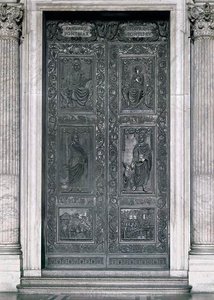
StatsBronze door


 Read More
Giclée / Art Print
Museum-quality giclée or canvas print with fast production and flexible finish options. ( Buy Hand Made Painting Switch to Digital Image)




P118B $10

P118H $10

P118W $10

P438Z $10

P508JH $12

P508YH $12

P805H $10

P805Z $10

P919BZ $10

P919G $10

P919XJ $10

P959ZH $10

P968JZ $12

W106C $8

W218G $10

W218JH $8

W218Y $10

W307PJ $10

W316G $10

W316PJ $8

W316Y $10

W398PJ $8

W4111J $10

W500HY $15

W500JH $15

W692G $12

W849H $8

W940BG $15

W953PJ $8




Pick from our preset sizes that match the artwork's original proportions.

Type the width and the height you need, to fit your frame or your wall. A print can only be cut, never made bigger than the picture, so a size with a different shape loses a part of the image. We send you a digital mockup to approve before we print anything. The picture shown on this page does not show the real cut — only the mockup does.
Worldwide Delivery () in 2 weeks instead of standard 4/5 weeks. (10 November)

Free Worldwide Express Shipping

High-Quality Linen Canvas

Full Shipping Insurance

Customs Tax Refund Guarantee

True Color Matching Guarantee

100-Day Return Policy (Defects Only)

100% Money-Back Guarantee

Bulk Discount Offer
 Glass option is only available in size under 110 CM

Bronze door
Giclée / Art Print
Reproduction Size
-


Total Price
$ 81
A Monumental Vision: The Bronze Door of Filarete
Standing before the bronze door, a sense of profound stillness descends. It’s not merely a barrier; it's a monumental statement, a frozen narrative carved into metal and imbued with the spirit of 15th-century Florence. This isn’t simply a doorway; it’s a portal – a gateway to a world of biblical drama, Byzantine splendor, and the audacious vision of Antonio di Pietro Aver(u)lino, better known as Filarete.
The door itself is a testament to scale and ambition. Measuring an impressive size, its six rectangular panels unfold like illuminated pages from a sacred chronicle. Each section meticulously depicts scenes from the Old Testament – Christ Pantocrator holding court over the heavens, the Annunciation radiating with divine grace, St. Paul’s martyrdom, and the poignant image of St. Peter's crucifixion. These aren’t mere illustrations; they are carefully orchestrated compositions, brimming with symbolic weight and a deep understanding of religious iconography.
The Byzantine Echoes: Style and Technique
While firmly rooted in the burgeoning Renaissance, the door reveals a striking debt to its Byzantine predecessors. The stylized figures, their elongated proportions and serene expressions, are characteristic of the Eastern artistic tradition. The carving technique is masterful – bas-relief, pushing deeply into the bronze surface to create startlingly three-dimensional forms. This isn’t a flat depiction; it's an invitation to step into the scene, to feel the weight of the figures and the solemnity of the events.
The texture itself is captivating – rough and tactile, bearing the marks of the craftsman’s hand. The bronze, darkened with age, possesses a rich, dark brown hue, punctuated by flashes of metallic sheen where the light catches the raised surfaces. Notice how the artist has skillfully manipulated the lighting to emphasize details while maintaining an overall sense of dramatic depth. The composition is remarkably symmetrical, lending it a feeling of stability and order – a deliberate choice that reflects the Byzantine emphasis on balance and harmony.
A Florentine Master at Work: Historical Context
Filarete’s creation in 1433 represents a fascinating confluence of artistic influences. He arrived in Rome as a key figure in Pope Eugenius IV's court, tasked with transforming the Old St. Peter’s Basilica. This commission demanded not just technical skill but also an understanding of history and symbolism – elements deeply ingrained in Filarete’s background. His earlier work in Milan showcased his innovative approach to urban planning and architecture, blending classical ideals with a distinctly Florentine sensibility.
The door's inscription, dating back to 1445, reveals the meticulous process behind its creation – a testament to Filarete’s dedication and the collaborative effort of his assistants. It speaks to a period of intense artistic experimentation, where established traditions were being challenged and new possibilities explored. The bronze itself was likely sourced from local mines, reflecting the economic realities of the time.
Symbolism and Emotional Resonance
Beyond its technical brilliance, the door resonates with profound symbolic meaning. Each scene serves as a moral lesson, inviting contemplation on themes of faith, sacrifice, and divine justice. The dark color palette – browns, bronzes, and deep reds – evokes a sense of age, solemnity, and reverence. The figures themselves are not merely representations; they embody virtues and vices, offering viewers a glimpse into the complexities of human experience.
Looking at this door is to confront something timeless—a visual sermon that speaks across centuries. It’s an invitation to step back in time, to witness the artistry and ambition of a master craftsman, and to contemplate the enduring power of faith and art. It remains a powerful reminder of Florence's pivotal role in shaping the Renaissance and its lasting legacy on Western art.
Questions & Answers
Where can I see the original "Bronze door" by Filarete?
You can see the original "Bronze door" at the St. Peter's Basilica, Vatican City, Italy.
How can "Bronze door" by Filarete be used in home decor?
Use (statement) and space (living room) are the two recommendations recorded for "Bronze door" by Filarete.
How do I preview a reproduction of "Bronze door" by Filarete?
A preview of "Bronze door" by Filarete is available on the artwork's Preview page.
Artist Biography
The Dawn of a New Era: Exploring the Art of the 1400s
The fifteenth century stands as a pivotal moment in art history, a time of profound transformation where the rigid formality of the Gothic era began to yield to the burgeoning dynamism and humanism of the Renaissance. While often viewed as a singular “Renaissance,” this period was far more nuanced, unfolding differently across Europe and marked by a fascinating interplay between established traditions and revolutionary innovations. This article delves into the world of artists who shaped this transformative century, exploring their lives, works, and lasting legacy. It’s crucial to remember that labeling art movements is often an oversimplification; the 1400s witnessed a gradual shift rather than a sudden revolution, with various styles and approaches coexisting within a complex artistic landscape.Early Influences: Gothic Legacy and Emerging Styles
The artists of the early 1400s were deeply rooted in the traditions of the late Medieval period, particularly the Gothic style. Gothic art, characterized by its soaring verticality, intricate ornamentation, and emphasis on religious symbolism, provided a foundational framework for subsequent developments. However, even during this time, subtle changes were already taking place. Artists like Gentile da Fabriano (c. 1370-1427) exemplified the late Gothic style with his elaborate illuminated manuscripts and panel paintings—works like *The Carrying of the Cross* – a testament to the meticulous detail and rich color palettes characteristic of the period. Robert Campin, also known as the Master of Flémalle (ca. 1375-1444), further refined this style with his realistic depictions of everyday life within religious settings, showcasing an increasing interest in portraying human figures with greater naturalism. Simultaneously, in Northern Europe, artists like Jan van Eyck were experimenting with oil paints, a medium that would revolutionize painting techniques and allow for unprecedented levels of detail and luminosity. The influence of Byzantine art, particularly its use of gold leaf and symbolic imagery, continued to be felt throughout the century, providing a rich source of inspiration for many artists.Florentine Innovation: The Rise of Humanism
Florence emerged as the epicenter of artistic innovation during the 1400s, largely due to the patronage of wealthy families like the Medici. This city-state fostered an environment where humanist ideals—a renewed interest in classical antiquity and a celebration of human potential—were embraced by artists and intellectuals alike. Filippo Brunelleschi (1377-1446), initially known for his architectural achievements, including the innovative design of the Florence Baptistery doors, also contributed significantly to painting through his meticulous study of perspective – a technique that would become central to Renaissance art. Lorenzo Ghiberti (ca. 1378-1455) won the competition for those same Baptistery doors, demonstrating the power of artistic skill and patronage in shaping Florentine culture. Donatello (c. 1386-1466), a sculptor who profoundly influenced subsequent generations, pushed the boundaries of realism and emotional expression in his works, notably his iconic bronze statue of David – a revolutionary depiction of the biblical hero that challenged traditional notions of beauty and heroism. Masaccio (1401-1428) is considered one of the pioneers of Renaissance painting, introducing linear perspective and chiaroscuro (the use of light and shadow) to create a sense of depth and volume in his frescoes, such as those in the Brancacci Chapel.Beyond Italy: Artistic Developments Across Europe
While Florence led the charge, artistic developments were not confined to Italy. In Flanders (modern-day Belgium), artists like Jan van Eyck (c. 1390-1441) and Rogier van der Weyden (c. 1390-1464) pioneered oil painting techniques, achieving remarkable levels of detail and realism in their portraits and religious scenes. The Limbourg Brothers, working in Bruges, created exquisitely detailed illuminated manuscripts that showcased a sophisticated understanding of perspective and color theory. In Spain, artists like Pedro Berruguete (c. 1407-1463) continued to develop the Gothic style while incorporating elements of Italian Renaissance art. Throughout Europe, artists were experimenting with new materials, techniques, and subject matter, reflecting the changing social, political, and intellectual landscape of the time.Legacy and Historical Significance
The 1400s witnessed a fundamental shift in artistic thinking—a move away from purely symbolic representation towards a more naturalistic and human-centered approach. The innovations in perspective, anatomy, and color theory laid the groundwork for the High Renaissance of the following century. Artists like Donatello and Masaccio challenged established conventions and paved the way for future generations of artists to explore new possibilities. While the period was marked by continuity with the Gothic tradition, it also represented a crucial step towards the artistic achievements that would define the Renaissance—a testament to the enduring power of human creativity and innovation. The legacy of these 1400s artists continues to inspire and influence art today, reminding us of the rich and complex history of Western art.
Filarete
1400 - 1469 , Italy
Quick Facts
- Nationality: Italian
- Date Of Birth: 1400
- Date Of Death: 1469
- Place Of Birth: Florence, Italy
- Notable Artworks:
- Gentile da Fabriano's Altarpiece
- Robert Campin’s Nativity
- Artistic Movement Or Style: Early Renaissance
- Artists Who Influenced This Artist: ['Gothic artists']
- Artists Or Movements Influenced By This Artist: ['Renaissance art']
Related Articles

The Enduring Legacy of Bronze Sculpture: A Collector's Guide to Form & Cultural Significance
Explore the rich history & enduring appeal of bronze sculpture with expert insights for collectors at OriginalUniqueArt. Learn about casting techniques, iconic artists, and collecting tips to build a discerning art collection.

The Enduring Legacy of Bronze: A Historical & Artistic Exploration for the Collector
Explore the rich history & enduring appeal of bronze sculpture with expert insights for collectors at OriginalUniqueArt. Learn about casting techniques, iconic artists, collecting tips & contemporary interpretations.

Bronze Age to Modern Masters: 10 Sculptures That Redefined Art | OriginalUniqueArt
Journey through art history with 10 legendary bronze sculptures – from Michelangelo's David to Rodin’s Thinker. Explore the stories, techniques & timeless beauty of these masterpieces. Find museum-quality reproductions & elevate your home decor on OriginalUniqueArt.com.

The Enduring Legacy of Bronze: History, Technique & Artistic Expression for the Collector
Explore the rich history & enduring appeal of bronze sculpture with expert insights for collectors at OriginalUniqueArt. Learn about casting techniques, iconic artists, and collecting tips.

Bronze Sculptures That Defined Art History | OriginalUniqueArt
Journey through art history with our Top 10 bronze sculptures! Explore masterpieces by Rodin, Michelangelo & more. Discover stories behind iconic statues and find museum-quality reproductions for your home decor at OriginalUniqueArt.com.