Preview
 Send
Send Share
Share
 Details
 Guide
Guide

 Download
 Similars
 X-Ray
X-Ray Diaporama
 Q&A
Q&A Stats
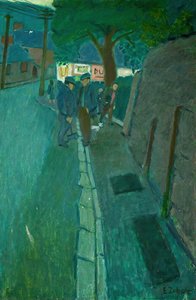
StatsPainter and Surroundings No.2

- 122.0 x 152.0 cm


 Read More
The artwork displayed on this page is protected by copyright law, which means we cannot legally create or sell an identical reproduction. This protection is enforced under international agreements such as the Berne Convention and by national laws, including those outlined by the U.S. Copyright Law - Title 17.
This method fully complies with copyright regulations because it does not involve copying or duplicating the protected artwork. Instead, it is a creative reinterpretation - a new painting that is influenced by the original but not identical to it.
Giclée / Art Print
Museum-quality giclée or canvas print with fast production and flexible finish options. ( Buy Hand Made Painting Switch to Digital Image)




P118B $10

P118H $10

P118W $10

P438Z $10

P508JH $12

P508YH $12

P805H $10

P805Z $10

P919BZ $10

P919G $10

P919XJ $10

P959ZH $10

P968JZ $12

W106C $8

W218G $10

W218JH $8

W218Y $10

W307PJ $10

W316G $10

W316PJ $8

W316Y $10

W398PJ $8

W4111J $10

W500HY $15

W500JH $15

W692G $12

W849H $8

W940BG $15

W953PJ $8




Pick from our preset sizes that match the artwork's original proportions.

Type the width and the height you need, to fit your frame or your wall. A print can only be cut, never made bigger than the picture, so a size with a different shape loses a part of the image. We send you a digital mockup to approve before we print anything. The picture shown on this page does not show the real cut — only the mockup does.
Worldwide Delivery () in 2 weeks instead of standard 4/5 weeks. (7 November)

Free Worldwide Express Shipping

High-Quality Linen Canvas

Full Shipping Insurance

Customs Tax Refund Guarantee

True Color Matching Guarantee

100-Day Return Policy (Defects Only)

100% Money-Back Guarantee

Bulk Discount Offer
 Glass option is only available in size under 110 CM

Painter and Surroundings No.2
Giclée / Art Print
Reproduction Size
-


Total Price
$ 81
A Nocturnal Symphony in Blue: The Vision of Ernest Zobole
In the evocative depths of Painter and Surroundings No.2, the viewer is transported into a world where the boundaries between reality and abstraction dissolve into a rhythmic dance of blue and light. Created in 1991 by the master of Welsh expressionism, Ernest Zobole, this large-scale oil on canvas serves as more than just a depiction of a cityscape; it is a profound meditation on memory, time, and the industrial spirit. The painting presents a bustling, dreamlike street scene, where architecture and human presence coalesce into a singular, atmospheric experience. Through his masterful use of color and form, Zobole captures a sense of movement that feels both chaotic and deeply structured, inviting the observer to lose themselves in the intricate layers of his vision.
The composition is a masterclass in perspective and emotional depth. At first glance, the eye is drawn to the dark, nocturnal blue that dominates the canvas, creating a mood of quiet introspection and mystery. Within this cerulean expanse, Zobole meticulously places elements of urban life—a vertical structure reminiscent of a tower or building, a small house with a pointed roof, and the silhouettes of figures navigating the street. The presence of a clock hanging prominently on a wall serves as a poignant symbol of the relentless passage of time, anchoring the fleeting moments of the street scene within a larger, eternal cycle. This interplay between the permanence of architecture and the ephemeral nature of human activity creates a tension that is both haunting and beautiful.
Technique and the Language of Paint
Technically, the work showcases Zobole’s unique ability to blend realism with a highly expressive, almost gestural abstraction. His brushstrokes are visible and textured, lending a dynamic energy to the canvas that prevents the monochromatic palette from feeling static. The use of whites and lighter blues to define edges and windows provides a necessary contrast, pulling shapes out of the shadows and giving the composition its structural integrity. This technique reflects Zobulated's admiration for artists like Marc Chagall and Heinz Koppel, where the focus remains intensely on the "paint language" itself—the physical texture and movement of the medium as a vehicle for emotion.
The limited color spectrum, focused almost entirely on the blue spectrum, adds to the overall moodiness of the piece. This monochromatic approach does not diminish the complexity of the work; rather, it unifies the disparate elements of the street scene into a cohesive, dreamlike atmosphere. For the collector or interior designer, this piece offers a sophisticated tonal anchor, capable of bringing a sense of calm, depth, and intellectual intrigue to any curated space.
The Soul of the Valleys: Historical Context
To understand the emotional weight of Painter and Surroundings No.2, one must look to the artist's roots in the Rhondda Valleys. Born to Italian immigrant parents in Ystrad, Zobole’s work is deeply intertwined with the grit and beauty of industrial Britain. As a founding member of the Rhondda Group, his canvases breathed with the rhythms of working-class life—the camaraderie, the hardship, and the profound connection to the land. While this specific work leans toward the abstract and the nocturnal, it carries the DNA of those coal-mining communities, translating the industrial landscape into a poetic, universal language.
This painting stands as a testament to a vanishing world, captured through a lens that is both personal and monumental. It invites the viewer to contemplate not just a street scene, but the very essence of existence within a changing landscape. For those seeking a high-quality reproduction, this artwork offers an unparalleled opportunity to possess a fragment of Welsh art history—a piece that resonates with the enduring strength of memory and the timeless beauty of the human spirit.
Questions & Answers
What subjects appear in "Painter and Surroundings No.2" by Ernest Zobole?
The themes present in "Painter and Surroundings No.2" by Ernest Zobole include cityscape, urban scene, abstracted realism, blue tones, architecture, people, street scene. Together they summarize the artwork's subject matter.
What color saturation does "Painter and Surroundings No.2" by Ernest Zobole have?
The colors of "Painter and Surroundings No.2" by Ernest Zobole have a balanced soft saturation. Saturation describes how vivid or muted the colors are.
Why is the copyright status of "Painter and Surroundings No.2" what it is?
"Painter and Surroundings No.2" by Ernest Zobole is still protected by copyright. Copyright duration runs from the artist's death, which occurred in 1999.
Artist Biography
The Soul of the Valleys: The Life and Vision of Ernest Zobole
Ernest Zobole (1927-1999) remains a singular voice in Welsh art history, an artist whose canvases breathed with the grit and beauty of the Rhondda Valleys during the twilight years of industrial Britain. Born in Tylorstown, within the heart of Rhondda Cynon Taf, Zobole’s formative years were deeply steeped in the atmosphere of coal mining communities. As the son of a miner, he absorbed firsthand the rhythms of working-class life—the camaraderie, the hardship, and above all, the profound connection to the land. This intimate familiarity with the landscape would later become the emotional bedrock of his work, allowing him to document a vanishing world through a lens imbued with deep, personal resonance.
His artistic journey began in earnest during his studies at the Cardiff School of Art, where he honed his technical mastery of watercolor and oil painting. However, Zobole’s true creative breakthrough was forged through his involvement with the Rhondda Group. This collective of artists, including figures such as Gwyneth Roberts and David Davies, sought to move beyond mere topographical representation. They aimed for a deeper expression of feeling, capturing not just the physical reality of industrial Wales, but how that reality felt to those living within it. Through this movement, Zobole found his purpose: portraying the landscapes of Ystrad and Llwynypia not merely as collections of coal mines and slag heaps, but as living entities imbued with melancholy, resilience, and an enduring spirit.
A Symphony of Color and Expression
Zobole’s distinctive style is a captivating blend of Expressionist influences and a unique, almost hallucinatory quality. Drawing inspiration from masters such as Edvard Munch and Franz Marc, he eschewed meticulous, photographic detail in favor of capturing the raw essence of a scene. His technique is characterized by bold, energetic brushstrokes and a vibrant color palette that can transform a somber industrial landscape into something otherworldly and emotionally charged. In works like Ystrad, Rhondda, one can witness this mastery, where the post-impressionist beauty of the Welsh countryside meets a profound sense of atmosphere.
The power of his work lies in its ability to balance the heavy reality of industrial decay with a soaring, imaginative spirit. His paintings often feature:
- Dynamic Landscapes: Depictions of hills and houses that seem to pulse with life, as seen in Houses and Hills.
- Emotional Coloration: The use of intense hues to convey the psychological weight of the mining era.
- Structural Essence: A focus on the skeletal beauty of the valleys, prioritizing the mood of the landscape over literal accuracy.
Legacy and Historical Significance
Though his recognition was largely concentrated within Wales during his lifetime, the historical significance of Ernest Zobole cannot be overstated. He served as a vital chronicler of a pivotal era in British history, capturing the transition of the Rhondda Valleys from industrial powerhouses to the quiet, reflective landscapes they are today. His work provides a visual archive of the 56 Group Wales era and the broader post-war Welsh art movement, documenting the social and physical transformations of his homeland.
Ultimately, Zobole’s legacy is found in his ability to find beauty in the industrial and the profound in the everyday. He did not merely paint landscapes; he painted the collective memory of a people. Through his expressive canvases, the grit of the coal mines and the rolling hills of the Rhondda are preserved forever, rendered with a passion that ensures the spirit of his community will never truly fade.

Ernest Zobole
1927 - 1999
Quick Facts
- Full Name: Ernest Zobole
- Nationality: Welsh
- Date Of Birth: 1927
- Date Of Death: 1999
- Place Of Birth: Rhondda Valley, Wales
- Notable Artworks: ['Ystrad Paintings']
- Artistic Movement Or Style: Expressionism
- Artists Who Influenced This Artist: ['George Stubbs']
- Artists Or Movements Influenced By This Artist: ['Romanticism']
Related Articles

Mastering Abstraction: The 25 Most Iconic Works by Wassily Kandinsky
Explore 25 iconic Kandinsky masterpieces and the birth of abstraction. Discover the full collection online at OriginalUniqueArt.com.

Abstract Expressionism's 10 Defining Masterpieces |
Explore 10 defining Abstract Expressionism masterpieces by Pollock, Rothko & de Kooning. Discover the stories behind these iconic paintings and find museum-quality art reproductions to elevate your home decor on .

Slate Blue Masterpieces: 10 Iconic Paintings & Timeless Home Decor Ideas
Immerse yourself in the captivating world of slate blue! Explore 10 iconic paintings by Monet, Van Gogh & Renoir. Discover their stories, techniques & find museum-quality art reproductions for your home at .
The Allure of Azure: Exploring the Symbolic & Aesthetic Depths of Blue in Art History
Explore the rich history of blue in art! Discover its symbolism, from ancient pigments to modern masterpieces by Kandinsky & Seurat. Uncover the psychological impact and cultural meanings behind this captivating hue.

Geometric Abstraction's 10 Defining Masterpieces | Art for Your Home - OriginalUniqueArt
Explore 10 defining masterpieces of Geometric Abstraction! Discover Kandinsky, Mondrian & Malevich’s iconic works. Find museum-quality art reproductions and curated decor ideas to elevate your home at OriginalUniqueArt.com.