
 Preview
 Send
Send Share
Share
 Details

 Download
 Similars
 X-Ray
X-Ray Diaporama
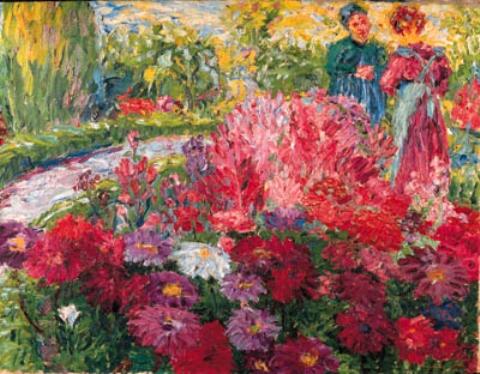
Flowergarden 1

 Read More
Hand Made Oil Reproduction
Hand-painted oil on canvas in your size and frame, made to order by our artists. ( Buy Print Buy Image)




P118B $10

P118H $10

P118W $10

P438Z $10

P508JH $12

P508YH $12

P805H $10

P805Z $10

P919BZ $10

P919G $10

P919XJ $10

P959ZH $10

P968JZ $12

W106C $8

W218G $10

W218JH $8

W218Y $10

W307PJ $10

W316G $10

W316PJ $8

W316Y $10

W398PJ $8

W4111J $10

W500HY $15

W500JH $15

W692G $12

W849H $8

W940BG $15

W953PJ $8




Pick from our preset sizes that match the artwork's original proportions.

You may enter your own dimensions to fit a specific frame or space. If your selected size does not match the original image's proportions, we will either crop the artwork or extend the painting with additional hand-painted elements. A digital mockup will be sent for your approval before production begins.
Please note that the on-screen preview does not reflect the actual cropping or extension. Only the mockup will accurately show the final composition.
While custom sizes are available, we recommend selecting a dimension from the predefined list to preserve the original proportions.
After order, OriginalUniqueArt.com team will email client for instructions and provide a mockup preview
Worldwide Delivery () in 3/4 weeks instead of standard 5 weeks. (5 September). No compromise on quality.

Free Worldwide Express Shipping

High-Quality Linen Canvas

Full Shipping Insurance

Customs Tax Refund Guarantee

True Color Matching Guarantee

60-Day Return Policy (Defects Only)

100% Money-Back Guarantee

Bulk Discount Offer
 Glass option is only available in size under 110 CM

Flowergarden 1
Reproduction Medium
Reproduction Size
-


Total Price
$ 325
A Symphony of Blossoms: Exploring Emil Nolde’s “Flowergarden 1”
- Subject and Composition: “Flowergarden 1” is an immersive depiction of a flourishing garden, bursting with the vibrant energy of countless red and pink flowers. Nolde doesn't present a neatly arranged botanical study; instead, he offers a dynamic, almost overwhelming abundance. The composition feels deliberately crowded, creating a sense of overflowing life and untamed natural beauty. Two figures are subtly placed in the background, grounding the scene and hinting at humanity’s connection to this vibrant landscape.
- Style & Technique: This artwork exemplifies Nolde's distinctive approach within German Expressionism. While echoes of Impressionism – particularly Monet – can be detected in the focus on light and color, Nolde pushes beyond mere representation. His technique is characterized by loose, broken brushstrokes that build up a textured surface, almost like a mosaic. The intense saturation of colors—layered reds, pinks, and greens—and the energetic application of paint create a palpable sense of movement, as if the flowers are swaying in a gentle breeze. This isn’t about precise detail; it's about capturing the *feeling* of being enveloped by a flower garden.
Emil Nolde and the Expressionist Impulse
- Historical Context: Emil Nolde (1867-1956) was a pivotal figure in early 20th-century art, co-founding the influential group *Die Brücke* (“The Bridge”). This artistic collective sought to break away from traditional academic styles and express inner emotional experiences through bold colors and distorted forms. Nolde’s work, though often rooted in nature, was deeply personal and reflected his spiritual connection to the world around him. Despite facing censorship during the Nazi regime due to his art being deemed “degenerate,” he remained a prolific and innovative artist throughout his life.
- Symbolism & Emotional Impact: The flower garden itself is rich with symbolism. Flowers traditionally represent beauty, joy, transience, and the cycle of life. Nolde’s intensely colored blossoms evoke feelings of exuberance and vitality, but also a sense of fleeting moments – capturing the ephemeral nature of beauty. The painting isn't simply *of* a garden; it aims to convey the emotional experience of being within one—the warmth of sunlight, the heady fragrance, the sheer joy of color.
A Piece for the Discerning Eye
- Interior Design & Collectibility: “Flowergarden 1” is a captivating piece that would bring vibrancy and emotional depth to any interior. Its bold color palette makes it a statement artwork, particularly well-suited to modern or eclectic spaces. The painting’s energy can enliven living rooms, dining areas, or even bedrooms, creating a focal point that sparks conversation. As a work by a major Expressionist artist, Nolde's “Flowergarden 1” holds significant collectibility and artistic value.
Artist Biography
Emil Nolde: Life and Legacy
Early Life and Artistic Beginnings
Emil Nolde, a renowned German-Danish painter, was born Hans Emil Hansen on August 7, 1867, in Nolde, Schleswig-Holstein, Germany. He came from a family with strong ties to rural life and religious beliefs, factors that would profoundly influence his artistic vision. Despite initial resistance from his parents, who preferred he pursue a more conventional career, Nolde relentlessly pursued his passion for art. He initially worked as a wood carver and furniture decorator before dedicating himself fully to painting in his late twenties.
Artistic Development and Influences
Nolde’s artistic journey was marked by self-education and exploration. He traveled extensively, absorbing influences from various cultures and art forms. Early influences included Vincent van Gogh, Paul Gauguin, and traditional folk art – particularly the expressive power of primitive masks and carvings. These encounters sparked his interest in bold colors, simplified forms, and emotionally charged subject matter. He initially experimented with Realism and Impressionism but quickly moved towards a more subjective and expressive style.
Die Brücke and Expressionist Breakthrough
In 1905, Nolde co-founded Die Brücke (The Bridge), a pivotal group of German Expressionist artists. This collective sought to break away from academic traditions and express inner emotions through radical artistic experimentation. Nolde’s contribution to Die Brücke was significant; his intense use of color and distorted forms pushed the boundaries of representation. However, he maintained a somewhat independent path within the group, often diverging in subject matter and stylistic approach.
Key Themes and Artistic Style
Nolde’s oeuvre is characterized by several recurring themes: religious scenes, landscapes, seascapes, and portraits. He was particularly fascinated by the power of masks – both as physical objects and symbolic representations of primal emotions. His artistic style is defined by:
- Bold, vibrant colors used to convey emotional intensity
- Distorted forms that emphasize expression over realistic representation
- Impasto technique - thick application of paint creating texture
- A focus on capturing inner psychological states
Notable Works and Achievements
Throughout his career, Nolde created a vast body of work. Some of his most celebrated paintings include:
- Masks (1906-1907) – showcasing his fascination with primitive art
- The Mocking of Christ (1909) – a powerful and emotionally charged religious scene
- Autumn Sea (1908) - demonstrating his expressive landscape painting.
- Flower Garden (Girl and Washing) (1907)
- Dance around the Golden Calf (1909)
Despite facing criticism and censorship during the Nazi regime – his work was deemed “degenerate” – Nolde continued to paint in secret. He produced a significant body of watercolor paintings during this period, demonstrating his unwavering commitment to artistic expression.
Historical Significance and Legacy
Emil Nolde’s innovative use of color and expressive brushwork profoundly influenced generations of artists. His work bridged the gap between traditional representational art and the abstract movements that followed. He remains a central figure in the history of German Expressionism, celebrated for his emotional intensity, bold experimentation, and enduring artistic vision. His legacy continues to inspire artists and art lovers worldwide.
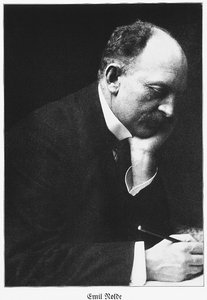
emile nolde
1867 - 1956 , Germany
Quick Facts
- Birth Date: August 7, 1867
- Birth Place: Nolde, Schleswig-Holstein, Germany
- Death Date: 1956
- Movement: Expressionism, Die Brücke
- Name: Emil Nolde
- Nationality: German-Danish
- Notable Works:
- Masks
- The Mocking of Christ
- Flower Garden (Girl and Washing)
- Autumn Sea
- Dance around the Golden Calf
Related Articles
Blush & Brilliance: 10 Iconic Paintings Dominated by Light Pink Tones |
Explore 10 iconic paintings bathed in captivating light pink tones! From Monet's Impressionism to Renoir’s romance, discover the stories behind these blush-hued masterpieces. Find museum-quality art reproductions & decor inspiration at .
Beyond the Brush: How Post-Impressionism Recharged Modern Art with Bold Color and Raw Emotion
Dive into the high-energy revolution of Post-Impressionism. Discover how masters like Cézanne and Van Gogh traded fleeting light for bold colors and raw emotion, forever recharging modern art with the vibrant, structural intensity that defines today's most iconic visual aesthetics.

Post-Impressionism's 10 Defining Masterpieces: Art for Your Home |
Journey through Post-Impressionism's 10 defining masterpieces – Van Gogh, Monet & more. Explore iconic paintings, art history & find museum-quality reproductions for your home at . Discover all masterpieces online!

Beyond Light & Color: Impressionism vs. Post-Impressionism for the Discerning Collector
Explore the nuances of Impressionism & Post-Impressionism with . Expert insights for collectors on style, investment, and acquiring museum-quality reproductions.
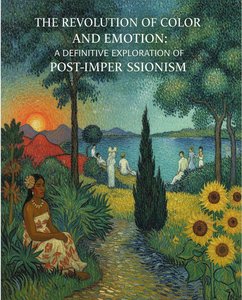
The Revolution of Color and Emotion: A Definitive Exploration of Post-Impressionism
Explore the profound revolution of Post-Impressionism. Delve into the history, techniques, and emotional depth of masters like Van Gogh and Seurat. Discover how to transform your space with museum-quality, hand-painted oil reproductions of these iconic masterpieces.



