Preview
 Send
Send Share
Share
 Details
 Guide
Guide

 Download
 Similars
 X-Ray
X-Ray Diaporama
 Q&A
Q&A Stats
StatsThomson No. 7 (Stormy Sky)
 Painting
- WallArt
- Contemporary Realism
 Contemporary
 79.0 x 58.0 cm
 Vancouver Art Gallery
 Read More
The artwork displayed on this page is protected by copyright law, which means we cannot legally create or sell an identical reproduction. This protection is enforced under international agreements such as the Berne Convention and by national laws, including those outlined by the U.S. Copyright Law - Title 17.
This method fully complies with copyright regulations because it does not involve copying or duplicating the protected artwork. Instead, it is a creative reinterpretation - a new painting that is influenced by the original but not identical to it.
Giclée / Art Print
Museum-quality giclée or canvas print with fast production and flexible finish options. ( Buy Hand Made Painting Switch to Digital Image)




P118B $10

P118H $10

P118W $10

P438Z $10

P508JH $12

P508YH $12

P805H $10

P805Z $10

P919BZ $10

P919G $10

P919XJ $10

P959ZH $10

P968JZ $12

W106C $8

W218G $10

W218JH $8

W218Y $10

W307PJ $10

W316G $10

W316PJ $8

W316Y $10

W398PJ $8

W4111J $10

W500HY $15

W500JH $15

W692G $12

W849H $8

W940BG $15

W953PJ $8




Pick from our preset sizes that match the artwork's original proportions.

Type the width and the height you need, to fit your frame or your wall. A print can only be cut, never made bigger than the picture, so a size with a different shape loses a part of the image. We send you a digital mockup to approve before we print anything. The picture shown on this page does not show the real cut — only the mockup does.
Worldwide Delivery () in 2 weeks instead of standard 4/5 weeks. (29 October)

Free Worldwide Express Shipping

High-Quality Linen Canvas

Full Shipping Insurance

Customs Tax Refund Guarantee

True Color Matching Guarantee

100-Day Return Policy (Defects Only)

100% Money-Back Guarantee

Bulk Discount Offer
 Glass option is only available in size under 110 CM

Thomson No. 7 (Stormy Sky)
Giclée / Art Print
Reproduction Size
-


Total Price
$ 81
A Reimagined Wilderness: The Soul of Thomson No. 7
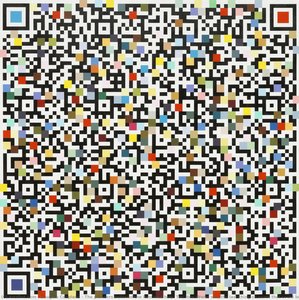
In the vast, sweeping tradition of Canadian landscape art, few names evoke the raw, untamed spirit of the north as powerfully as Tom Thomson and the Group of Seven. It is within this hallowed lineage that Douglas Coupland’s Thomson No. 7 (Stormy Sky) finds its profound resonance. This is not merely a painting of a landscape; it is a deliberate, contemporary dialogue with history. Coupland, a master at navigating the intersection of cultural memory and modern existence, takes the evocative imagery of the Algonquin wilderness and filters it through a lens that is both nostalgic and strikingly avant-garde. The result is a work that captures the sublime awe of nature while simultaneously questioning how we perceive that very nature in an age dominated by digital mediation.
The painting presents a dramatic, atmospheric scene where a turbulent sky hangs heavy over distant, rugged mountains. At first glance, one might sense the ghostly presence of the early 20th-century masters, yet upon closer inspection, the traditional realism of the past dissolves into something much more structural and cerebral. The composition utilizes a deliberate flattening of perspective, stripping away the illusion of deep space to focus on the rhythmic interplay of geometric planes. This reductionist approach transforms the chaotic energy of a storm into a balanced, almost architectural arrangement of color and form, inviting the viewer to contemplate the skeletal beauty beneath the atmospheric shroud.
Technique and the Digital Brush
What makes Thomson No. 7 (Stormy Sky) particularly captivating for the modern collector is its fascinating technical genesis. Coupland’s process represents a bridge between the organic and the algorithmic. Rather than relying solely on direct observation of the physical world, he engaged with the digital landscape, utilizing photographic references sourced from the internet. Through the meticulous use of Photoshop, Coupland manipulated these images, deconstructing them into fundamental components—flat planes of color that pulse with a quiet intensity. This technique serves as a profound commentary on our contemporary condition; it asks whether our connection to the "wild" is now something experienced through a screen, mediated by pixels and light.
The palette is masterfully restrained, dominated by somber, evocative shades of grey that mirror the brooding tension of an approaching tempest. These muted tones are punctuated by subtle shifts in value that suggest the movement of clouds and the rugged texture of the earth below. For interior designers and art enthusiasts, this sophisticated use of color offers a versatile elegance. The painting possesses a quiet strength that can anchor a minimalist contemporary space or provide a contemplative focal point within a more traditional setting, acting as a window into a world that is both familiar and enigmatically transformed.
Symbolism and Emotional Resonance
Beyond its formal beauty, the artwork serves as a vessel for complex emotions. It embodies the duality of the Canadian identity—the tension between the breathtaking beauty of the natural world and the inherent anxieties of a nation navigating rapid technological change. The "storm" in the title can be read as more than just a meteorological event; it is a metaphor for the cultural shifts, the uncertainties, and the powerful, transformative forces that shape our collective consciousness. There is a sense of the sublime here—that specific, breathtaking feeling of being small in the face of something vast and uncontrollable.
To possess a reproduction of this piece is to invite a sense of historical continuity into one's home. It is an invitation to reflect on the enduring power of the landscape and our evolving relationship with it. Whether viewed as a tribute to the legendary Tom Thomson or as a bold statement on the digital age, Thomson No. 7 (Stormy Sky) remains a deeply moving exploration of identity, memory, and the eternal allure of the wild. It is a work that does not just decorate a room; it provokes thought, stirs the spirit, and commands the gaze.
Questions & Answers
What is "Thomson No. 7 (Stormy Sky)" made with, and in which style?
In "Thomson No. 7 (Stormy Sky)", the painting technique meets the Contemporary Realism movement.
In which movement and which era is "Thomson No. 7 (Stormy Sky)" by Douglas Coupland placed?
"Thomson No. 7 (Stormy Sky)" belongs to the Contemporary Realism movement, and its creator worked in the Contemporary era.
What color palette is used in "Thomson No. 7 (Stormy Sky)" by Douglas Coupland?
"Thomson No. 7 (Stormy Sky)" by Douglas Coupland uses an earthy color palette. The palette summarizes the work's overall color character.
Artist Biography
A Cartographer of Contemporary Culture: The Life and Art of Douglas Coupland
Douglas Coupland emerged onto the cultural landscape in the early 1990s, not simply as a novelist, but as a diagnostician of an era. Born on December 30, 1961, on a Canadian military base in Baden-Söllingen, Germany, his upbringing was one of constant relocation, eventually settling in Vancouver, Canada – a city that would profoundly shape his artistic sensibility. This early experience instilled within him a keen observer’s eye, attuned to the subtle shifts and anxieties of modern life. While initially pursuing sculpture at Emily Carr College of Art and Design, Coupland found his true calling not in molding physical forms but in articulating the intangible textures of contemporary existence through words, and later, through a fascinating blend of visual art and digital technology. He wasn’t merely reflecting culture; he was naming it, giving voice to the unspoken feelings of a generation adrift in a rapidly accelerating world.From Generation X to Visual Commentary
Coupland's breakthrough arrived with the publication of Generation X: Tales for an Accelerated Culture in 1991. The novel wasn’t just a literary success; it was a cultural phenomenon, coining a term that instantly resonated with millions grappling with identity and purpose in the shadow of post-industrial society. Terms like “McJob” entered the lexicon, becoming shorthand for the precariousness and alienation of work in the late 20th century. But Coupland’s ambition extended far beyond simply labeling a generation. He was interested in exploring the psychological landscape of a world saturated with media, consumerism, and technological change. This exploration didn't end with literature. He seamlessly transitioned into visual art, driven by a desire to express his ideas through different mediums. His artistic practice is remarkably diverse, encompassing painting, sculpture, photography, and design – all unified by a consistent thematic thread: an interrogation of modern life. He has authored 13 novels, two short story collections, seven non-fiction books, and numerous screenplays for film and television, demonstrating his prolific creativity.The Language of QR Codes and the Weight of Loss
Coupland’s visual art is characterized by a unique blend of abstraction, pop culture references, and technological innovation. Perhaps most notably, he has become known for his series incorporating QR codes into paintings. These aren't merely decorative elements; they are portals to hidden layers of meaning, inviting viewers to actively engage with the artwork through their smartphones. Scanning these codes reveals concise commentaries, adding another dimension to the visual experience – a testament to Coupland’s fascination with the intersection of art and technology. Beyond this innovative technique, his work often grapples with profound themes of loss and mortality. The Dead Grads Series, for example, is a poignant tribute to young lives tragically cut short, each painting bearing titles like “Gun,” “Car Crash,” and “Overdose” – stark reminders of the fragility of life and the enduring impact of grief. Silver Boogeyman, a striking piece that reveals the face of Osama bin Laden when viewed through a smartphone screen, exemplifies his ability to provoke thought and challenge perceptions, forcing viewers to confront uncomfortable truths about the post-9/11 world.Sculptural Statements and National Identity
Coupland’s artistic vision extends beyond two-dimensional canvases into the realm of sculpture. The Ice Storm, a monumental steel structure, stands as a powerful reflection on Canadian identity and vulnerability. The sculpture's form evokes both strength and fragility, mirroring the complexities of the nation’s history and its relationship to the natural world. His mixed media collages, such as God, demonstrate his mastery of layering techniques and graphic design skills, incorporating symbolic elements like “Lord Jim” and a geometric ‘D’ to create visually arresting compositions that invite multiple interpretations. These works are not simply aesthetic objects; they are intellectual puzzles, demanding active engagement from the viewer. His work has been showcased in prestigious venues such as the Vancouver Art Gallery and the McMichael Canadian Art Collection, solidifying his position as a significant figure in contemporary art.Legacy of Observation and Innovation
Douglas Coupland’s contributions to both literature and visual art have earned him widespread recognition, including being appointed an Officer of the Order of Canada and membership in the Order of British Columbia. He remains a vital voice in Canadian arts and letters, known for his insightful observations, innovative artistic expression, and willingness to tackle complex social and cultural issues. His work continues to resonate with audiences worldwide, prompting dialogue on contemporary culture, technology, and the human condition. Coupland isn’t just an artist; he is a cultural cartographer, mapping the ever-shifting terrain of modern life with both precision and empathy. He has left an indelible mark on our understanding of ourselves and the world around us, ensuring his place as one of Canada's most important contemporary artists.- Key Themes: Generation X, digital culture, technology, loss, identity, consumerism, Canadian identity.
- Influences: Pop art, minimalism, constructivism, Japanese business science, contemporary literature.

Douglas Coupland
1961 - , Canada
Quick Facts
- Full Name: Douglas Coupland
- Nationality: Canadian
- Date Of Birth: 1961
- Place Of Birth: Vancouver, Canada
- Notable Artworks:
- God
- The Ice Storm
- Thomson No. 5
- Silver Boogeyman
- Artistic Movement Or Style: Pop art, Digital culture
Related Articles

Golden Light & Dutch Skies: The Timeless Magic of Dutch Golden Age Landscapes
Discover the breathtaking beauty of Dutch Golden Age landscapes. Explore the mastery of light, chiaroscuro, and 17th-century realism through an expert art history lens, celebrating the enduring legacy of the Dutch Masters for discerning collectors and art lovers.

The Connoisseur’s Guide to OriginalUniqueArt: Mastering Our 7 Exclusive Channels for Bespoke Art Acquisitions
Discover the ultimate guide to OriginalUniqueArt’s exclusive acquisition channels. From bespoke oil reproductions to AI-driven masterpieces, master the art of collecting museum-quality fine art tailored to your legacy and home. Experience unparalleled craftsmanship and global luxury service.

Capturing Light: The 25 Most Iconic Masterpieces by Claude Monet
Explore 25 iconic Claude Monet masterpieces and the magic of Impressionism. Discover the full collection online at OriginalUniqueArt.com.

Golden Light & Dutch Skies: Bringing the Magic of Dutch Golden Age Landscapes into Your Home
Transform your home with the breathtaking light of Dutch Golden Age landscapes. Discover how hand-painted oil reproductions of masterworks like Ruisdael and Vermeer bring timeless elegance, atmosphere, and soulful texture to modern interiors. Elevate your space with museum-quality art.
Thomas Thomson: Pioneering Canadian Landscape & the Pursuit of National Identity
Explore the evocative landscapes of Tom Thomson, a pivotal figure in Canadian art & precursor to the Group of Seven. Discover his bold style, lasting legacy, and profound impact on shaping a national artistic identity.