Preview
 Send
Send Share
Share
 Details

 Download
 Similars
 X-Ray
X-Ray Diaporama
 Stats
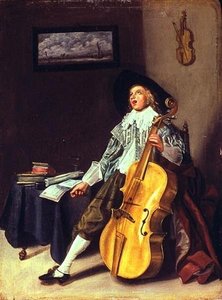
StatsAmusing Party in the Open Air (detail)


 Read More
Giclée / Art Print
Museum-quality giclée or canvas print with fast production and flexible finish options. ( Buy Hand Made Painting Switch to Digital Image)




P118B $10

P118H $10

P118W $10

P438Z $10

P508JH $12

P508YH $12

P805H $10

P805Z $10

P919BZ $10

P919G $10

P919XJ $10

P959ZH $10

P968JZ $12

W106C $8

W218G $10

W218JH $8

W218Y $10

W307PJ $10

W316G $10

W316PJ $8

W316Y $10

W398PJ $8

W4111J $10

W500HY $15

W500JH $15

W692G $12

W849H $8

W940BG $15

W953PJ $8




Pick from our preset sizes that match the artwork's original proportions.

You may enter your own dimensions to fit a specific frame or space. If your selected size does not match the original image's proportions, we will either crop the artwork or extend the image with a mirrored or solid-fill edge. A digital mockup will be sent for your approval before production begins.
Please note that the on-screen preview does not reflect the actual cropping or extension. Only the mockup will accurately show the final composition.
While custom sizes are available, we recommend selecting a dimension from the predefined list to preserve the original proportions.
Worldwide Delivery () in 2 weeks instead of standard 4/5 weeks. (18 September)

Free Worldwide Express Shipping

High-Quality Linen Canvas

Full Shipping Insurance

Customs Tax Refund Guarantee

True Color Matching Guarantee

100-Day Return Policy (Defects Only)

100% Money-Back Guarantee

Bulk Discount Offer
 Glass option is only available in size under 110 CM

Amusing Party in the Open Air (detail)
Giclée / Art Print
Reproduction Size
-


Total Price
$ 81
A Snapshot of Baroque Merriment: Dirck Hals’s “Amusing Party in the Open Air”
Dirck Hals, a lesser-known sibling to the celebrated Frans Hals, nevertheless achieved remarkable success as a painter during the Dutch Golden Age. Unlike his brother's fame as a portraitist—a genre that cemented Frans Hals’s place in art history—Dirck Hals focused on capturing fleeting moments of social life through “conversation pieces,” small canvases brimming with detail and psychological nuance. This particular artwork, "Amusing Party in the Open Air," exemplifies Hals’s distinctive approach and offers a fascinating glimpse into the cultural milieu of 1621 Haarlem.The Scene Unfolds: Composition and Detail
The painting depicts an outdoor gathering—likely a tavern or garden—dominated by a group of individuals engaged in animated conversation. At its center stands a young woman adorned in striking crimson attire accented with delicate white lace at the neckline, immediately signaling her social standing. Her gaze is directed outwards, conveying contentment and absorption in the lively exchange surrounding her. Hals’s meticulous attention to detail extends beyond mere representation; he skillfully captures the textures of fabric—the rich sheen of the woman's gown and the intricate embroidery—further enhancing the realism of the scene. The inclusion of a lute or guitar suggests musical accompaniment, reinforcing the theme of convivial enjoyment.Stylistic Influences: Baroque Precision
Hals’s technique is characteristic of the Baroque period, prioritizing clarity and dramatic lighting to convey emotion and atmosphere. Observe how Hals utilizes chiaroscuro—the interplay between light and shadow—to sculpt the figures and create depth within the composition. The dark background emphasizes the brightness of the faces and clothing, drawing the viewer's eye towards the central subjects. This masterful manipulation of light contributes significantly to the painting’s emotional impact, conveying a sense of warmth and intimacy despite the expansive setting.Historical Context: A Celebration of Dutch Prosperity
“Amusing Party in the Open Air” reflects the burgeoning prosperity of Holland during its Golden Age—a time marked by artistic innovation and cultural dynamism. The Baroque style flourished across Europe, fueled by papal patronage and a desire for grandeur. Hals’s depiction captures not only the aesthetic ideals of his era but also the social values prevalent at the time: friendship, merriment, and appreciation for beauty were considered essential components of a fulfilling life. The presence of figures like the soldier with a sword underscores the importance of honor and defense—themes that resonated deeply within Dutch society during this period.Symbolism Beyond Surface Appearance
Beyond its immediate visual appeal, “Amusing Party in the Open Air” carries symbolic weight. The woman’s attire symbolizes wealth and status, while her musical instrument represents creativity and intellectual pursuits. The lively conversation signifies social connection and the exchange of ideas—values that were highly regarded during the Baroque era. Hals subtly communicates these concepts through his masterful portrayal of human interaction, inviting viewers to contemplate the complexities of human experience.A Timeless Impression: Emotional Resonance
Ultimately, “Amusing Party in Open Air” succeeds in conveying a powerful emotional resonance. The painting captures a moment of genuine joy and camaraderie—a celebration of life’s pleasures amidst the backdrop of a vibrant cultural landscape. It serves as an enduring testament to Hals's artistic genius and his ability to transform fleeting observations into captivating works of art that continue to inspire admiration centuries later. Its reproduction offers a beautiful way to bring this evocative scene into any interior space, allowing viewers to experience the spirit of Baroque Holland firsthand.Artist Biography
The Master of Merry Company: The Life and Legacy of Dirck Hals
In the golden light of the seventeenth-century Netherlands, a period defined by unparalleled artistic flourishing and burgeoning mercantile wealth, Dirck Hals carved out a space that was uniquely his own. Born in Haarlem in 1591, Hals emerged from a landscape of profound creative energy, walking in the shadow of his more famous elder brother, the legendary portraitist Frans Hals. Yet, to view Dirck merely as a secondary figure is to miss the subtle brilliance of his contribution to the Dutch Golden Age. While his brother captured the dignified essence of the individual through striking portraits, Dirck turned his gaze toward the collective experience, finding profound beauty in the spontaneous, the convivial, and the communal.
His artistic journey was deeply rooted in the traditions of Haarlem, a city that served as a crucible for many of the era's greatest masters. Under the influence of the burgeoning realism championed by his brother, Dirck developed a technique characterized by meticulous detail and an uncanny ability to capture fleeting moments of social interaction. He became a specialist in what are known as conversation pieces—intimate scenes of groups engaged in lively discussion, music-making, or shared refreshments. These works were not merely decorative; they were psychological windows into the social fabric of the Dutch Republic, capturing the textures of silk, the glint of pewter, and the nuanced expressions of joy, contemplation, and mischief.
A Symphony of Social Interaction
The essence of Dirck Hals’s oeuvre lies in his mastery of atmosphere. Unlike the formal rigidity often found in contemporary portraiture, Hals’s compositions breathe with a sense of movement and vitality. Whether depicting an Amusing Party in the Open Air or the structured elegance of A Banquet, he utilized the principles of Baroque lighting to create depth and drama. He had a remarkable gift for directing the viewer's eye through a crowded scene, using light to highlight a tilted glass, a shared glance between lovers, or the delicate way a hand rests upon a letter, as seen in his evocative Seated Woman with a Letter.
His work often reflects the broader cultural trends of the Dutch Golden Age, where the celebration of domesticity and middle-class prosperity became a central theme in art. Through his depictions of festive gatherings and ballroom celebrations, Hals documented the rhythms of life in an era of immense economic growth. His ability to convey both the grandeur of these social rituals and the intimate, human connections within them allowed him to transcend simple genre painting, elevating the "merry company" scene to a sophisticated study of human nature.
Historical Significance and Artistic Footprint
Though his career saw him working in various centers, including notable periods in Leiden during the 1640s, Hals remained intrinsically linked to the spirit of Haarlem. His development as an artist was marked by a steady refinement of his ability to portray texture and light, ensuring that his smaller canvases possessed a monumental emotional impact. While he may not have sought the international fame of Rembrandt or Rubens, his influence on the genre painting tradition was significant, providing a blueprint for how artists could capture the ephemeral beauty of everyday social life.
Today, the legacy of Dirck Hals survives through works held in prestigious institutions such as the Metropolitan Museum of Art, where his paintings continue to enchant viewers with their vibrant spirit. His contribution to art history is defined by several key elements:
- Genre Specialization: He perfected the "merry company" scene, moving away from formal portraiture toward dynamic group narratives.
- Psychological Depth: Beyond mere decoration, his figures possess a sense of individual character and emotional presence.
- Technical Precision: His mastery of light and texture brought a tactile reality to the scenes of Dutch festivities.
- Cultural Documentation: His work serves as a vital visual record of the social customs and celebratory atmosphere of the 17th-century Netherlands.
In the grand tapestry of the Dutch Golden Age, Dirck Hals remains a vital thread, reminding us that there is profound artistry to be found in the shared laughter, the quiet whispers, and the collective celebrations of the human experience.

Dirck Hals
1591 - 1656 , Netherlands
Quick Facts
- Artistic Movement Or Style: Dutch Golden Age
- Artists Or Movements Influenced By This Artist:
- Nathaniel Bacon
- Johann Hulsman
- Willem Cornelis Duyster
- Artists Who Influenced This Artist: ['Frans Hals']
- Date Of Birth: 1591
- Date Of Death: 1656
- Full Name: Dirck Hals
- Nationality: Dutch
- Notable Artworks:
- Seated Woman with a Letter
- Merry Party in a Tavern
- Musicians
- Place Of Birth: Haarlem, Netherlands
Related Articles

Dutch Masters: 10 Golden Age Paintings That Still Inspire |
Journey into the Dutch Golden Age! Explore 10 iconic paintings by Rembrandt, Vermeer & Hals. Discover the stories behind these Baroque masterpieces and find museum-quality art reproductions to elevate your home decor on .

Golden Light & Dutch Skies: The Timeless Magic of Dutch Golden Age Landscapes
Discover the breathtaking beauty of Dutch Golden Age landscapes. Explore the mastery of light, chiaroscuro, and 17th-century realism through an expert art history lens, celebrating the enduring legacy of the Dutch Masters for discerning collectors and art lovers.

Chiaroscuro and Character: A Definitive Guide to Light and Shadow in the Dutch Baroque Era
Explore the dramatic mastery of the Dutch Baroque era. Discover how masters like Rembrandt used chiaroscuro to transform everyday life into timeless art. An expert guide for collectors and enthusiasts seeking to understand the profound interplay of light and shadow.

Dutch Baroque Masters: 10 Paintings That Shaped an Era | OriginalUniqueArt
Journey through the Golden Age with our guide to the Top 10 Dutch Baroque masterpieces! Explore iconic paintings by Rembrandt, Vermeer & Frans Hals. Find museum-quality art reproductions and elevate your home decor at OriginalUniqueArt.com.

Golden Age Reflections: Dutch Baroque Painting & Cultural Innovation
Explore the Dutch Golden Age of painting! Discover key artists like Vermeer & ter Borch, their innovative techniques, and the rich cultural context behind these Baroque masterpieces. Learn about collecting & appreciating this iconic art period.