

 Preview
 Send
Send Share
Share
 Details
 Guide
Guide

 Download
 Similars
 X-Ray
X-Ray Diaporama
 Stats
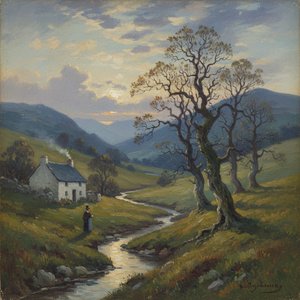
StatsCoastal View
 Acrylic On Canvas
- WallArt
- Impressionistic Landscape
 1913
1913 28.0 x 38.0 cm
 Llyfrgell Genedlaethol Cymru / The National Library of Wales
 Read More
Giclée / Art Print
Museum-quality giclée or canvas print with fast production and flexible finish options. ( Buy Hand Made Painting Switch to Digital Image)




P118B $10

P118H $10

P118W $10

P438Z $10

P508JH $12

P508YH $12

P805H $10

P805Z $10

P919BZ $10

P919G $10

P919XJ $10

P959ZH $10

P968JZ $12

W106C $8

W218G $10

W218JH $8

W218Y $10

W307PJ $10

W316G $10

W316PJ $8

W316Y $10

W398PJ $8

W4111J $10

W500HY $15

W500JH $15

W692G $12

W849H $8

W940BG $15

W953PJ $8




Pick from our preset sizes that match the artwork's original proportions.

Type the width and the height you need, to fit your frame or your wall. A print can only be cut, never made bigger than the picture, so a size with a different shape loses a part of the image. We send you a digital mockup to approve before we print anything. The picture shown on this page does not show the real cut — only the mockup does.
Worldwide Delivery () in 2 weeks instead of standard 4/5 weeks. (21 October)

Free Worldwide Express Shipping

High-Quality Linen Canvas

Full Shipping Insurance

Customs Tax Refund Guarantee

True Color Matching Guarantee

100-Day Return Policy (Defects Only)

100% Money-Back Guarantee

Bulk Discount Offer
 Glass option is only available in size under 110 CM

Coastal View
Giclée / Art Print
Reproduction Size
-


Total Price
$ 81
A Window into Welsh Landscape: Christopher Williams’ Coastal View
Christopher David Williams (1873-1934) stands as a pivotal figure in Welsh art history, embodying the spirit of the Celtic Revival and capturing the sublime beauty of his homeland with remarkable sensitivity. His oeuvre encompasses portraits imbued with psychological depth alongside landscapes that resonate with atmospheric grandeur – notably “Coastal View,” painted in 1913, which exemplifies his artistic prowess and offers a glimpse into the aesthetic sensibilities of its time. This captivating artwork resides within the National Library of Wales collection in Aberystwyth, reflecting a dedication to preserving Welsh cultural heritage.The Impressionistic Vision: Technique and Style
Williams’ approach to painting was firmly rooted in Impressionism, albeit tempered by his distinctive Welsh artistic vision. Rejecting academic conventions favoring meticulous detail, he prioritized conveying the fleeting effects of light and color—a hallmark of the movement championed by artists like Monet and Sisley. Loose brushstrokes dominate “Coastal View,” creating a textured surface that vibrates with vibrancy. The artist skillfully blended pigments wet-on-wet, allowing hues to mingle organically and capturing the diffused luminescence characteristic of coastal skies at dawn or dusk. This technique isn’t merely stylistic; it serves as an emotional conduit, mirroring the tranquil serenity of the depicted landscape.A Symphony of Color: Palette and Composition
The color palette employed in “Coastal View” is deliberately subdued yet profoundly expressive. Predominantly blues—ranging from cerulean to indigo—establish a dominant tonal harmony reflecting the vast expanse of the sea. Gray tones subtly delineate the mountainous backdrop, conveying solidity and permanence against the ephemeral beauty of the shoreline. Earthy browns and ochres provide grounding elements, anchoring the composition and hinting at the rugged terrain of Lleyn Peninsula. Williams’ compositional choices further enhance the artwork's impact: The horizon line is positioned strategically to emphasize the dramatic interplay between sea and sky, while small boats scattered along the beach introduce a human element—a reminder of our connection to nature.Historical Context: Celtic Revival and Artistic Inspiration
“Coastal View” emerged during the Celtic Revival – a cultural movement that sought to revive interest in Welsh folklore, mythology, and artistic traditions. Influenced by writers like Dylan Thomas and artists like Gwen Stefani, Williams’ work reflects this broader aesthetic preoccupation with Celtic symbolism and spirituality. Leighton's *Perseus and Andromeda*, witnessed by Williams during his formative visit to Liverpool’s Walker Art Gallery, profoundly impacted his artistic sensibilities—inspiring him to embrace a Romantic style characterized by emotional intensity and idealized beauty. This influence is palpable in the painting's evocative mood and its celebration of Welsh landscape as a source of inspiration.Symbolism Beyond Representation: Emotional Resonance
Beyond its visual depiction, “Coastal View” carries symbolic weight. The mountains represent resilience and permanence—a counterpoint to the transient nature of coastal life. The sea embodies mystery and contemplation—inviting viewers to immerse themselves in its boundless expanse. Williams’ masterful use of color and brushwork contributes to an overall feeling of tranquility and wonder—capturing not merely what is seen but also what is felt. It's a testament to his ability to transform observation into profound artistic expression, leaving an indelible mark on the viewer's imagination.Questions & Answers
What size should I print "Coastal View" for my room?
For a living room, the recommended print size of "Coastal View" by Christopher Williams is large.
What are the format and size of "Coastal View"?
"Coastal View" by Christopher Williams is proportioned as a landscape work of 28 x 38 cm.
What explains the copyright situation of "Coastal View" by Christopher Williams?
"Coastal View" by Christopher Williams is in the public domain - its copyright has expired. Copyright terms are measured from the artist's death, and Christopher Williams died in 1934.
Artist Biography
Christopher Williams: A Life in Art
Christopher David Williams (1873-1934) was a celebrated Welsh artist whose career spanned the late Victorian and early 20th centuries. He is particularly remembered for his evocative portraits, allegorical scenes, and landscapes that often reflected a strong sense of Welsh identity and the spirit of the Celtic Revival.
Early Life and Education
Born in Maesygwrath, Wales, Williams initially faced opposition from his father, Evan Williams, who envisioned a medical career for him. However, a transformative visit to the Walker Art Gallery in Liverpool in 1892, where he was deeply moved by Frederick Leighton’s *Perseus and Andromeda*, ignited his passion for art. This experience solidified his determination to pursue a life as an artist.
Artistic Development and Influences
- Early Training: Williams began his formal artistic training at the Neath Technical Institute under Mr. Kerr in 1892-1893.
- Royal College of Art & Royal Academy Schools: He continued his studies at the Royal College of Art for three years, followed by further education at the Royal Academy Schools from 1896 to 1901.
- Key Influences: Frederick Leighton was a significant early influence, inspiring Williams’s academic approach and attention to detail. He also drew inspiration from Pre-Raphaelite aesthetics and the broader artistic currents of the Celtic Revival.
Major Achievements and Recognition
- Royal Academy Exhibitions: Williams first exhibited at the Royal Academy in 1902 with *Paolo and Francesca*, followed by a portrait of his father in 1903. He went on to exhibit eighteen paintings there throughout his career.
- Royal Society of British Artists: In 1910, he was invited to join the Royal Society of British Artists, exhibiting thirty-seven paintings with them over the next decade.
- Royal Commission: A pivotal moment came in 1911 when King George V commissioned Williams to create a commemorative painting of the investiture of Edward, Prince of Wales at Caernarfon Castle. He completed two versions of this important work.
- Portraiture: Williams became highly sought after as a portraitist, creating likenesses of prominent figures such as David Lloyd George, Sir John Williams, and Sir Henry Jones.
Themes and Style
Williams’s work is characterized by:
- Portraiture: His portraits are known for their psychological depth and realistic rendering of his subjects.
- Celtic Revival: He frequently explored themes from Welsh mythology and folklore, particularly in paintings like *Ceridwen* and *Branwen*, inspired by the Mabinogion.
- Landscape Painting: Williams painted landscapes extensively throughout Wales, as well as during travels to Switzerland, Italy, France, Spain, Morocco, and Holland.
- Allegorical Scenes: He often incorporated allegorical elements into his work, imbuing it with symbolic meaning.
Historical Significance and Legacy
Christopher Williams played a significant role in promoting Welsh art and culture during his lifetime. He actively participated in the National Eisteddfod as an adjudicator and served on committees for the National Museum of Wales and the Honourable Society of Cymmrodorion. His work reflects a strong sense of national identity and contributed to the artistic flourishing of Wales in the early 20th century.
His paintings are held in numerous public collections, including the National Museum of Wales, the Royal Collection, and the Glynn Vivian Art Gallery, ensuring his legacy continues to inspire and captivate audiences today. He was a brother-in-law to fellow artist Fred Appleyard, and father to astronomer Evan Gwyn Williams and artist Ivor Williams.

Christopher Williams
1873 - 1934 , United States of America
Quick Facts
- Name: Christopher Williams
- Movement: Celtic Revival, Victorian painting
- Birth Date: 1873
- Death Date: 1934
- Birth Place: Maesygwrath, Wales
- Nationality: Welsh
- Date Of Birth: 1873
- Date Of Death: 1934
- Influenced By: Frederick Leighton
- Notable Works: The Awakening of Wales, Paolo and Francesca, portraits of David Lloyd George
- Place Of Birth: Maesygwrath, United States of America
Related Articles

Evocations of Place: A Historical Journey Through Landscape Art
Explore the rich history of landscape art with OriginalUniqueArt. Discover renowned artists, movements like Impressionism & Romanticism, and expert guidance for collecting timeless pieces. Find your perfect serene escape today!

Cézanne's Masterpieces: 25 Iconic Artworks to Transform Your Space
Journey through 25 iconic artworks by Paul Cézanne – a master of Impressionism and Post-Impressionism. Explore his landscapes, still lifes, and the stories behind these timeless masterpieces. Discover museum-quality reproductions & curated decor at OriginalUniqueArt.com.

Impressionistic Landscapes: 10 Masterpieces That Changed Art & Decor
Journey into the heart of Impressionism! Explore 10 masterpieces by Monet, Renoir & Degas that revolutionized landscape art. Discover their stories, techniques & find museum-quality reproductions to elevate your home decor on OriginalUniqueArt.com.
Penry Williams: Evoking Welsh Nostalgia Through Impressionistic Landscapes
Explore the captivating world of Penry Williams (1802-1885), a Welsh artist renowned for his evocative Impressionistic landscapes and scenes of Italy. Discover his life, style & legacy with OriginalUniqueArt.

Evocations of Place: A Historical Journey Through Landscape Art
Explore the rich history of landscape art with OriginalUniqueArt. Discover renowned artists, movements like Impressionism & tonalism, and expert guidance for collecting timeless pieces. Find your perfect serene escape today!


