
 Preview
 Send
Send Share
Share
 Details

 Download
 Similars
 X-Ray
X-Ray Diaporama
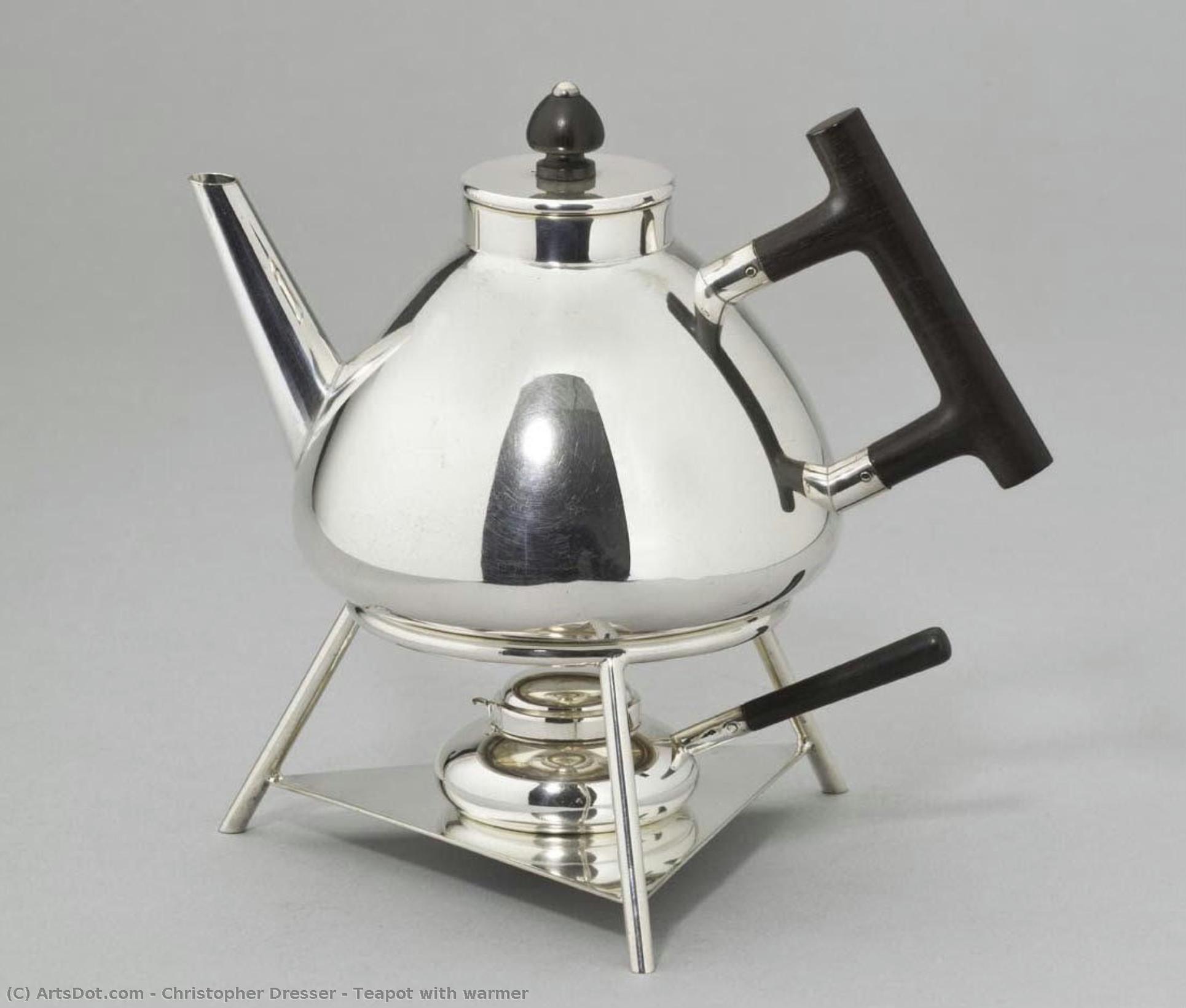
Teapot with warmer


 Read More
Hand Made Oil Reproduction
Hand-painted oil on canvas in your size and frame, made to order by our artists. ( Buy Print Buy Image)




P118B $10

P118H $10

P118W $10

P438Z $10

P508JH $12

P508YH $12

P805H $10

P805Z $10

P919BZ $10

P919G $10

P919XJ $10

P959ZH $10

P968JZ $12

W106C $8

W218G $10

W218JH $8

W218Y $10

W307PJ $10

W316G $10

W316PJ $8

W316Y $10

W398PJ $8

W4111J $10

W500HY $15

W500JH $15

W692G $12

W849H $8

W940BG $15

W953PJ $8




Pick from our preset sizes that match the artwork's original proportions.

You may enter your own dimensions to fit a specific frame or space. If your selected size does not match the original image's proportions, we will either crop the artwork or extend the painting with additional hand-painted elements. A digital mockup will be sent for your approval before production begins.
Please note that the on-screen preview does not reflect the actual cropping or extension. Only the mockup will accurately show the final composition.
While custom sizes are available, we recommend selecting a dimension from the predefined list to preserve the original proportions.
After order, OriginalUniqueArt.com team will email client for instructions and provide a mockup preview
Worldwide Delivery () in 3/4 weeks instead of standard 5 weeks. (21 August). No compromise on quality.

Free Worldwide Express Shipping

High-Quality Linen Canvas

Full Shipping Insurance

Customs Tax Refund Guarantee

True Color Matching Guarantee

60-Day Return Policy (Defects Only)

100% Money-Back Guarantee

Bulk Discount Offer
 Glass option is only available in size under 110 CM

Teapot with warmer
Reproduction Medium
Reproduction Size
-


Total Price
$ 300
Artwork Description
Artist Biography
Christopher Dresser: The Father of Industrial Design
Christopher Dresser (1834–1904) stands as a monumental figure in Victorian design, recognized today as arguably the first industrial designer and a pivotal contributor to both the Aesthetic Movement and Anglo-Japanese style—influences that continue to resonate across artistic disciplines. Born in Glasgow, Scotland, Dresser’s early life was marked by an interest in botany and natural sciences, shaping his worldview and informing his aesthetic sensibilities. This fascination would become central to his groundbreaking approach to design, prioritizing functionality alongside beauty – a radical departure from prevailing Victorian tastes dominated by ornate decoration.- Early Career & Influences: Dresser began his artistic journey as a decorative painter and designer of wallpaper, establishing himself in London’s burgeoning art scene. He was profoundly impacted by Japanese art and craftsmanship during his travels to Japan in 1870, absorbing the principles of asymmetry, simplicity, and natural materials—elements that would become hallmarks of the Anglo-Japanese style.
- The Aesthetic Movement & Design Reform: Dresser championed the Aesthetic Movement, advocating for a rejection of academic conventions and embracing artistic freedom. He argued passionately for “design reform,” asserting that art should serve practical purposes while elevating human experience. This conviction fueled his tireless pursuit of innovation in various mediums.
A Diverse Artistic Output: Ceramics, Glassware & Furniture
Dresser’s creative output spanned an astonishing range of disciplines—ceramics, glassware, furniture design, textiles, and silver plating. He meticulously studied the techniques of artisans from around the globe, incorporating elements of Japanese craftsmanship into his creations. His ceramics, particularly the Jardinière – a celebrated piece housed in The Baltimore Museum of Art – exemplify his masterful blending of form and function. This vase showcases Dresser’s ability to transform natural materials like stoneware into elegant sculptural objects. Similarly, his glassware designs prioritized clarity and simplicity, reflecting the influence of Japanese aesthetics.- Notable Projects: Among Dresser's most significant achievements were collaborations with renowned manufacturers like Josiah Wedgwood & Sons, where he spearheaded transformative innovations in ceramic production. His furniture designs embraced minimalist silhouettes combined with natural textures—a stylistic hallmark of the Anglo-Japanese aesthetic.
The Anglo-Japanese Style: A Synthesis of Tradition and Innovation
Dresser’s embrace of Japanese aesthetics wasn't merely an admiration for exotic beauty; it represented a deliberate effort to reimagine Western design principles. He believed that studying Japanese craftsmanship could inspire new approaches to artistic expression, prioritizing natural materials, understated ornamentation, and harmonious proportions. This fusion of Eastern and Western traditions resulted in a distinctive style characterized by refined elegance and intellectual depth—a style that continues to captivate designers and artists today.Legacy & Historical Significance
Christopher Dresser’s impact on the history of design is undeniable. He fundamentally challenged Victorian artistic conventions, advocating for a more rational and aesthetically informed approach to craftsmanship. His pioneering spirit paved the way for the emergence of industrial design as a recognized field, establishing Dresser as a visionary ahead of his time. Today, his work remains celebrated for its enduring beauty and its profound contribution to shaping the visual culture of the late nineteenth century—a testament to the transformative power of artistic innovation.
Christopher Dresser
1834 - 1904 , United Kingdom
Quick Facts
- Artistic Movement Or Style: Aesthetic Movement & Anglo-Japanese Style
- Artists Or Movements Influenced By This Artist: ['Arts and Crafts Movement']
- Artists Who Influenced This Artist: ['William Morris']
- Date Of Birth: July 4, 1834
- Date Of Death: November 24, 1904
- Full Name: Christopher Dresser
- Nationality: British
- Notable Artworks:
- Teapot with warmer
- Spoon warmer
- Clutha glass vase
- Place Of Birth: Glasgow, United Kingdom
Related Articles
The Refined Aesthetic of Victorian Illustration: A Study in Narrative & Technique
Explore the captivating world of Victorian illustration! Discover Pre-Raphaelite influences, key artists like Rossetti & Stephens, and the era's rich narrative detail. A deep dive for art enthusiasts.

Sir Lawrence Alma-Tadema: A Study in Victorian Aestheticism & Classical Antiquity
Explore the captivating world of Sir Lawrence Alma-Tadema, a master of Victorian Aestheticism. Discover his stunning depictions of ancient Rome, artistic techniques, and enduring legacy with OriginalUniqueArt.

William Powell Frith: Narratives of Victorian Society & the Rise of Realist Painting
Explore the life & works of William Powell Frith, the 'greatest British painter of social scenes.' Discover his iconic Victorian genre paintings and learn about his lasting impact on realist art. Hand-painted reproductions available.

George Goodwin Kilburne: Capturing Victorian Sentimentality Through Genre Painting
Explore the evocative Victorian paintings of George Goodwin Kilburne. Discover his detailed scenes of domestic life, masterful use of light, and lasting impact on British genre painting. Learn more at OriginalUniqueArt.

Myles Birket Foster: Nostalgia, Narrative & the Victorian Pastoral Tradition
Explore the captivating world of Myles Birket Foster, Victorian watercolorist renowned for idyllic rural scenes. Discover his sentimental landscapes, narrative detail & lasting artistic legacy. Learn more at OriginalUniqueArt.



