

 Preview
 Send
Send Share
Share
 Details

 Download
 Similars
 X-Ray
X-Ray Diaporama
 Stats
StatsSchattenbild
 Acrylic On Canvas
- WallArt
- Dutch Golden Age
 1968
1968 67.0 x 87.0 cm
 Serralves Foundation
 Read More
Hand Made Oil Reproduction
Hand-painted oil on canvas in your size and frame, made to order by our artists. ( Switch to Print Switch to Digital Image)




P118B $10

P118H $10

P118W $10

P438Z $10

P508JH $12

P508YH $12

P805H $10

P805Z $10

P919BZ $10

P919G $10

P919XJ $10

P959ZH $10

P968JZ $12

W106C $8

W218G $10

W218JH $8

W218Y $10

W307PJ $10

W316G $10

W316PJ $8

W316Y $10

W398PJ $8

W4111J $10

W500HY $15

W500JH $15

W692G $12

W849H $8

W940BG $15

W953PJ $8




Pick from our preset sizes that match the artwork's original proportions.

You may enter your own dimensions to fit a specific frame or space. If your selected size does not match the original image's proportions, we will either crop the artwork or extend the painting with additional hand-painted elements. A digital mockup will be sent for your approval before production begins.
Please note that the on-screen preview does not reflect the actual cropping or extension. Only the mockup will accurately show the final composition.
While custom sizes are available, we recommend selecting a dimension from the predefined list to preserve the original proportions.
After order, OriginalUniqueArt.com team will email client for instructions and provide a mockup preview
Worldwide Delivery () in 3/4 weeks instead of standard 5 weeks. (13 September). No compromise on quality.

Free Worldwide Express Shipping

High-Quality Linen Canvas

Full Shipping Insurance

Customs Tax Refund Guarantee

True Color Matching Guarantee

100-Day Return Policy (Defects Only)

100% Money-Back Guarantee

Bulk Discount Offer
 Glass option is only available in size under 110 CM

Schattenbild
Reproduction Medium
Reproduction Size
-


Total Price
$ 300
Schattenbild - Christian Richter (Painter, Born 1678)
Christian Richter stands as a pivotal figure in the artistic landscape of 17th-century Europe, particularly celebrated for his mastery of miniature painting and his role in disseminating the stylistic innovations of Dutch Grandeur. Born in Stockholm, Sweden, in 1678, Richter’s journey from apprentice craftsman to respected artist reveals a remarkable confluence of influences—Swedish artistic traditions blended seamlessly with the grandeur and dynamism of the Dutch Golden Age—a fusion that profoundly shaped his oeuvre. His life spanned just over five decades, during which he produced an astonishing body of work characterized by meticulous detail, vibrant color palettes, and an uncanny ability to convey both likeness and emotion within the confines of the miniature format. ### Early Training and Swedish Roots Richter’s formative years were steeped in the artistic heritage of Sweden. His father, Hans Davidson Richter, was a silversmith and assessor of the Stockholm Goldsmiths' corporation—a position that instilled in young Christian an appreciation for craftsmanship and precision. Furthermore, he benefited from familial connections to other artists, notably his brother Johann Richter, who pursued landscape painting, demonstrating the artistic environment prevalent during his upbringing. This grounding in Swedish traditions would subsequently inform Richter’s stylistic choices and contribute to his distinctive visual language. ### The Influence of Dutch Grandeur The burgeoning portraiture scene of London served as a catalyst for Richter's artistic development. Recognizing the prestige associated with Dutch artists like Michael Dahl, Richter actively sought inspiration from their techniques and styles—a deliberate emulation that elevated his own reputation during a period marked by significant artistic exchange between Scandinavia and the Netherlands. Dahl’s influence is palpable in Richter’s portraits, where he meticulously captures facial expressions and subtle nuances of character, mirroring Dahl's celebrated ability to convey psychological depth within miniature canvases. This stylistic convergence underscores the broader artistic currents shaping European art at the time. ### Technique and Style: Miniature Precision Christian Richter achieved renown primarily through his exceptional skill in miniature painting—a medium demanding unparalleled precision and delicacy. He mastered the techniques of enamel gilding and limning, meticulously applying pigment to ivory or pewter panels with astonishing accuracy. His canvases were adorned with shimmering gold leaf, enhancing the luminosity and richness of color palettes that would otherwise be unattainable in larger formats. Richter’s meticulous approach ensured that every brushstroke conveyed a sense of profound observation and artistic intention—a testament to his dedication as an artist and his mastery of miniature painting's unique aesthetic possibilities. ### Symbolism and Emotional Impact Beyond technical virtuosity, Richter’s paintings resonate with symbolic meaning and evoke powerful emotional responses. Recurring motifs—such as serene landscapes and idealized portraits—reflect the humanist ideals prevalent in 17th-century Europe, emphasizing beauty, intellect, and moral virtue. His works capture fleeting moments of emotion—joyful expressions of affection or contemplative gazes imbued with melancholy—demonstrating Richter’s ability to translate psychological states into visual form. These paintings serve as windows into the human experience, inviting viewers to contemplate themes of identity, memory, and spirituality.Artist Biography
Christian Richter: A Master of Miniature and the Echoes of Dutch Grandeur
Christian Richter, born in Stockholm, Sweden, in 1678, stands as a compelling figure within the history of 17th-century European art. Though primarily known for his work in England, Richter’s journey – from a young apprentice to a respected miniature painter and copyist – reveals a fascinating blend of Swedish artistic traditions, Dutch influences, and the burgeoning portraiture scene of London. His life spanned just over five decades, during which he produced a remarkable body of work characterized by meticulous detail, vibrant color palettes, and an uncanny ability to capture both likeness and emotion within the confines of the miniature format. Richter’s legacy lies not only in his individual paintings but also as a conduit for disseminating the styles of leading artists like Michael Dahl, contributing significantly to their reputations during a pivotal period in art history.Early Training and Swedish Roots
Richter's artistic foundation began early, nurtured within a family steeped in craftsmanship. His father, Hans Davidson Richter, was a silversmith and assessor for the Stockholm Goldsmiths’ Corporation, providing an environment rich with artistic skill and tradition. This familial connection instilled in young Christian a deep appreciation for detail and precision – qualities that would become hallmarks of his miniature paintings. While his father initially intended to train him as a goldsmith, circumstances intervened, leading Richter to seek instruction from Frantz Boll, a relative who specialized in portraiture, particularly in the delicate mediums of miniature and enamel. Crucially, Richter also benefited from exposure to the techniques of Elias Brenner, widely considered the foremost Swedish miniaturist of his time, further refining his skills and understanding of the medium’s unique challenges. This early training laid the groundwork for his later success, grounding him in both traditional Swedish methods and the emerging trends of European portraiture.London and the Influence of Michael Dahl
Around 1702 or 1704, Richter embarked on a significant chapter of his career by relocating to London. This move coincided with the rise of Michael Dahl, a Danish painter whose dramatic style and masterful use of color were rapidly gaining recognition in England. Recognizing Richter’s talent for meticulous copying, Dahl took him under his wing, providing invaluable instruction and fostering a close working relationship. Richter became particularly adept at replicating Dahl's distinctive brushwork and palette, effectively acting as a crucial instrument in promoting the Danish artist’s fame. Beyond Dahl, Richter also engaged with other prominent artists of the era, including Hans Huysing and Charles Boit, absorbing influences from various artistic circles within London’s vibrant art scene. The English court, particularly Queen Anne's circle, was a significant patron of the arts during this period, offering opportunities for artists like Richter to flourish.Notable Works and Artistic Style
Richter’s paintings are distinguished by their remarkable technical skill and attention to detail. He excelled in miniature portraits, capturing the likenesses of prominent figures with astonishing accuracy – from nobility and gentry to merchants and members of the clergy. His works frequently employed a rich, jewel-toned palette, reminiscent of the Dutch Golden Age painters who had profoundly influenced his artistic development. A prime example is “A Battle,” now housed in the National Gallery, London; this piece showcases Richter’s ability to convey dramatic intensity within a small format, utilizing dynamic composition and carefully rendered figures to create a powerful visual narrative. "Sad Presentiment," another notable work, demonstrates his capacity for emotional expression through subtle gestures and nuanced facial expressions. These paintings are not merely representations of individuals but rather intimate portraits imbued with character and personality.Legacy and Historical Significance
Christian Richter’s impact on the art world extends beyond his individual creations. He played a vital role in disseminating the styles of leading artists like Michael Dahl, ensuring their recognition and solidifying their reputations during a crucial period of artistic development. His meticulous copying skills were highly valued by patrons and collectors alike, contributing to the popularity of Dahl's work and establishing Richter as a respected figure within the miniature painting community. Although his own style evolved over time, influenced by his exposure to various artistic traditions, Richter’s legacy endures through his numerous surviving paintings – exquisite examples of 17th-century portraiture that offer valuable insights into the social and cultural landscape of England during his lifetime. His work continues to be studied by art historians, providing a window into the techniques and practices of miniature painting and illuminating the interconnectedness of artistic movements across Europe.Further Resources
- OriginalUniqueArt.com: Christian Richter (Painter, Born 1678)
- Wikipedia: Christian Richter (Painter)
- National Gallery, London: Explore works by Christian Richter on the National Gallery website.

christian richter (painter, born 1678)
1678 - 1732 , Sweden
Quick Facts
- Artistic Movement Or Style: Miniature painting
- Artists Or Movements Influenced By This Artist: ['Later miniature painters']
- Artists Who Influenced This Artist:
- Pieter Bruegel the Elder
- Dutch Golden Age
- Date Of Birth: 1678
- Date Of Death: 1732
- Full Name: Christian Richter
- Nationality: Swedish
- Notable Artworks:
- Battle
- Sad presentiment
- Place Of Birth: Stockholm, Sweden
Related Articles

Geometric Abstraction's 10 Defining Masterpieces | Art for Your Home - OriginalUniqueArt
Explore 10 defining masterpieces of Geometric Abstraction! Discover Kandinsky, Mondrian & Malevich’s iconic works. Find museum-quality art reproductions and curated decor ideas to elevate your home at OriginalUniqueArt.com.

The Enduring Appeal of Geometric Patterns in Art: A Historical & Contemporary Exploration
Explore the captivating history of geometric abstraction in art, from ancient roots to contemporary masters. Expert insights for collectors & enthusiasts. Discover key artists, movements & investment potential.

The Power of Less: A Definitive Guide to the Minimalism Movement and Geometric Abstraction
Explore the profound impact of Minimalism and Geometric Abstraction. From Mondrian to Malevich, discover how stripping art to its essential forms revolutionized modern aesthetics through our expert-led historical guide.
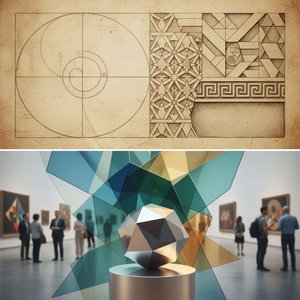
Geometric Design in Art: A Historical Survey & Contemporary Appeal for Collectors
Explore the enduring legacy of geometric abstraction! Discover key artists, historical movements & investment insights for discerning art collectors. Expert guidance from OriginalUniqueArt.

Beyond Form & Color: Geometric Abstraction's Evolution in 20th/21st Century Art
Explore the evolution of geometric abstraction from Cubism to contemporary art. Discover key artists like Malevich & Mondrian, investment insights, and expert collecting advice at OriginalUniqueArt.

