Preview
 Send
Send Share
Share
 Details
 Guide
Guide

 Download
 Similars
 X-Ray
X-Ray Diaporama
 Stats
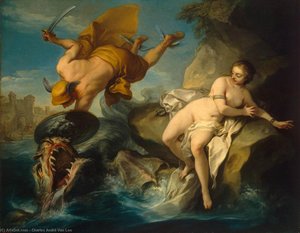
StatsAeneas Carrying Anchises
 Oil On Canvas
- WallArt
- Rococo
 1729
1729 110.0 x 105.0 cm
 The Louvre
 Read More
Giclée / Art Print
Museum-quality giclée or canvas print with fast production and flexible finish options. ( Buy Hand Made Painting Switch to Digital Image)




P118B $10

P118H $10

P118W $10

P438Z $10

P508JH $12

P508YH $12

P805H $10

P805Z $10

P919BZ $10

P919G $10

P919XJ $10

P959ZH $10

P968JZ $12

W106C $8

W218G $10

W218JH $8

W218Y $10

W307PJ $10

W316G $10

W316PJ $8

W316Y $10

W398PJ $8

W4111J $10

W500HY $15

W500JH $15

W692G $12

W849H $8

W940BG $15

W953PJ $8




Pick from our preset sizes that match the artwork's original proportions.

Type the width and the height you need, to fit your frame or your wall. A print can only be cut, never made bigger than the picture, so a size with a different shape loses a part of the image. We send you a digital mockup to approve before we print anything. The picture shown on this page does not show the real cut — only the mockup does.
Worldwide Delivery () in 2 weeks instead of standard 4/5 weeks. (21 October)

Free Worldwide Express Shipping

High-Quality Linen Canvas

Full Shipping Insurance

Customs Tax Refund Guarantee

True Color Matching Guarantee

100-Day Return Policy (Defects Only)

100% Money-Back Guarantee

Bulk Discount Offer
 Glass option is only available in size under 110 CM

Aeneas Carrying Anchises
Giclée / Art Print
Reproduction Size
-


Total Price
$ 81
Aeneas Carrying Anchises: A Testament to Roman Heroism and Rococo Elegance
Charles-André van Loo’s “Aeneas Carrying Anchises,” painted in 1729, is more than just a depiction of a pivotal moment from Virgil's *Aeneid*; it’s a masterful distillation of the Rococo style, imbued with a profound sense of drama and classical gravitas. This artwork, now meticulously reproduced on hand-painted canvas by OriginalUniqueArt, offers a captivating glimpse into 18th-century French artistic sensibilities – a world where mythological narratives intertwined seamlessly with aristocratic life and an exquisite attention to detail reigned supreme.
The scene unfolds within a classically inspired architectural setting, reminiscent of the Temple of Venus or perhaps even the Parthenon, lending an air of timeless grandeur. Van Loo skillfully employs atmospheric perspective – the subtle blurring of details in the background – to draw the viewer’s eye towards the central figures: Aeneas, the Trojan hero, and his aged father, Anchises. The composition is carefully balanced, utilizing a pyramidal structure that reinforces the importance of these two patriarchs. Note the deliberate use of light; it illuminates Aeneas's determined face and the weight of responsibility he carries, while casting a softer glow upon Anchises, suggesting both vulnerability and profound wisdom.
The Rococo Palette: Color, Texture, and Ornamentation
As a leading figure in the Rococo movement, Van Loo’s signature style is immediately recognizable. The painting bursts with rich, layered colors – deep reds, blues, and golds dominate the palette, creating an opulent and luxurious atmosphere. The artist's meticulous brushwork reveals a remarkable attention to texture; from the folds of Aeneas’s cloak to the weathered skin of Anchises, every surface is rendered with incredible realism. Observe how he uses shimmering highlights to capture the light reflecting off polished marble columns and the fabric of their garments – a hallmark of Rococo technique.
The decorative elements are equally noteworthy. The architectural details, while rooted in classical forms, are embellished with intricate moldings, garlands, and subtle flourishes characteristic of the era. Van Loo’s mastery extends to portraying the human form; Aeneas and Anchises are depicted with a graceful elegance that reflects the ideals of beauty prevalent during the Rococo period. The inclusion of other figures in the background – soldiers, attendants, and perhaps even a veiled woman – adds depth and narrative complexity to the scene, hinting at the broader context of the Trojan War and its aftermath.
Symbolism and Narrative Resonance
Beyond its aesthetic beauty, “Aeneas Carrying Anchises” is rich in symbolic meaning. The act of Aeneas carrying his father represents not only filial devotion but also the burden of leadership and the transmission of legacy. Anchises, a descendant of Aeneas and the rightful heir to Troy, embodies the continuity of Roman civilization. The setting itself – a temple or monumental structure – elevates the scene to a realm of mythic importance, suggesting that Aeneas’s journey is not merely a personal quest but a destiny ordained by the gods.
Furthermore, the presence of the woman in the background has been interpreted as representing Fides (Faith) or perhaps even Venus herself, subtly reinforcing the themes of duty, honor, and divine guidance. The painting's overall mood is one of solemn determination tempered with a poignant sense of loss – a reminder of the sacrifices required to fulfill a noble purpose. OriginalUniqueArt’s faithful reproduction captures this nuanced emotional depth, allowing viewers to fully appreciate the artistry and storytelling embedded within Van Loo’s masterpiece.
Bringing “Aeneas Carrying Anchises” Home
Whether you're an art enthusiast, a collector seeking to enrich your collection, or simply someone looking for a stunning addition to your interior décor, OriginalUniqueArt’s hand-painted reproduction of “Aeneas Carrying Anchises” offers the perfect opportunity to own a piece of 18th-century artistic history. The meticulous detail and vibrant colors faithfully recreate Van Loo's original vision, while the canvas medium provides a timeless quality that will endure for generations to come. Explore our selection of sizes and framing options to find the ideal representation for your space – and experience the enduring power of this iconic artwork.
Questions & Answers
Where can I find artworks similar to "Aeneas Carrying Anchises" by Charles-André van Loo?
The Similars page of "Aeneas Carrying Anchises" by Charles-André van Loo presents related artworks.
How does "Aeneas Carrying Anchises" fit into Charles-André van Loo's themes and style?
"Aeneas Carrying Anchises" belongs to Charles-André van Loo's Rococo work, whose recorded themes include italian baroque influence, mythological, roman themes, courtly patronage, luxury, dynasty’s artistic legacy, classical narrative depiction.
What emotional tone accompanies the Rococo style of "Aeneas Carrying Anchises"?
"Aeneas Carrying Anchises" carries a melancholic emotional tone within the Rococo movement.
Artist Biography
Early Life and Training
- Born: February 15, 1705, in Nice, France
- Family Background: Son of Louis-Abraham van Loo and younger brother of Jean-Baptiste van Loo. Member of a successful dynasty of Dutch painters.
- Early Education: Initial training in Turin, followed by studies in Rome (1712) under Benedetto Luti and Pierre Legros.
- Parisian Studies: Attended the Académie royale, winning first prize for drawing in 1723 and historical painting in 1727.
Artistic Career and Notable Works
- Style: Primarily known as a Rococo painter, characterized by elegance, grace, and ornate detail.
- Subject Matter: Diverse range including portraits, mythological scenes, historical paintings, allegories, and genre scenes.
- Significant Works:
- Venus and Amor (Kunsthalle Bremen) - Demonstrates mastery of the Rococo style.
- Halt of the Hunt (The Metropolitan Museum of Art) – Captures aristocratic activities.
- Portrait of Marie Leszczynska, Queen of France – A notable royal portrait.
- Jupiter and Antiope - Showcases mythological themes.
- Self Portrait – Provides insight into the artist's self-perception.
- Perseus and Andromeda (multiple versions) – Illustrates skill in depicting classical mythology.
- Mademoiselle Clairon as Medea (small version) - A captivating Rococo portrait of 1760.
Patronage and Royal Recognition
- Royal Patronage: Enjoyed the patronage of Madame de Pompadour and the French court.
- Appointment to the Court: Became First Painter to King Louis XV in 1762, a prestigious position.
- Order of Saint Michael: Decorated with the Order of Saint Michael, signifying royal favor.
Influences and Legacy
- Family Influence: Heavily influenced by his father and brother, both accomplished painters.
- Rivalry: Competed with François Boucher, another prominent Rococo artist.
- Modern French School: His "simplicity of style and correctness of design" significantly influenced the modern French school of painting.
- Critical Fortune: While his critical standing fluctuated over time, his skill and the breadth of his work command respect.
Museum Collections & Further Exploration
- Museum Presence: Works are featured in prominent museums including the Louvre (The Marriage of the Virgin), Kunsthalle Bremen, and The Metropolitan Museum of Art.
- Further Resources:
- OriginalUniqueArt's Charles-André van Loo page: https://www.OriginalUniqueArt.com/artists/charles-andre-van-loo/
- OriginalUniqueArt's Greatest Artists of All Time page: https://www.OriginalUniqueArt.com/greatest-artists
- OriginalUniqueArt Virtual Museum: https://www.OriginalUniqueArt.com/
- Wikipedia Article: https://en.wikipedia.org/wiki/Charles-Andr%C3%A9_van_Loo
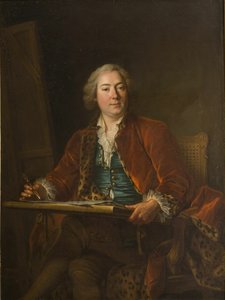
Charles-André van Loo
1705 - 1765 , France
Quick Facts
- Full Name: Charles-André van Loo
- Nationality: French
- Date Of Birth: 1705
- Date Of Death: 1765
- Place Of Birth: Nice, France
- Notable Artworks:
- Venus and Amor
- Halt of the Hunt
- Portrait of Marie Leszczynska
- Jupiter and Antiope
- Self Portrait
- Perseus and Andromeda
- Artistic Movement Or Style: Rococo painting
- Artists Who Influenced This Artist:
- Benedetto Luti
- Pierre Le Gros
- Artists Or Movements Influenced By This Artist: ['Modern French school']
Related Articles

Rococo's Radiant Legacy: 10 Masterpieces for Your Home |
Indulge in the elegance of Rococo! Explore 10 masterpieces by Fragonard, Boucher & Watteau. Discover the stories behind these iconic paintings and bring timeless art to your home with museum-quality reproductions from .
Early Netherlandish Masters: 10 Paintings That Revolutionized Art & Decor
Journey into the Early Netherlandish Renaissance! Explore 10 iconic paintings by Jan van Eyck, Rogier van der Weyden & more. Discover stunning detail, symbolism, and oil painting techniques. Find museum-quality art reproductions for your home at OriginalUniqueArt.com.

Charles-André van Loo: A Study in Rococo Portraiture & the French Court's Artistic Dynamics
Explore the elegant world of Charles-André van Loo, a master of Rococo portraiture at the French court. Discover his life, techniques, and enduring influence on 18th-century art. Hand-painted reproductions available.

Early Netherlandish Masters: 10 Paintings That Revolutionized Art & Decor
Journey into the world of Early Netherlandish painting! Explore 10 masterpieces by Jan van Eyck, Rogier van der Weyden & more. Discover stunning detail, symbolism & Renaissance art for your home decor. Find museum-quality reproductions on OriginalUniqueArt.com

Rembrandt's Masterpieces: Explore 25 Iconic Paintings & Prints | OriginalUniqueArt
Journey through Rembrandt van Rijn's 25 most iconic paintings & etchings. Explore Dutch Golden Age masterpieces, dramatic chiaroscuro, and timeless portraits. Find museum-quality art reproductions to elevate your home decor on OriginalUniqueArt.com.