
 Preview
 Send
Send Share
Share
 Details

 Download
 Similars
 X-Ray
X-Ray Diaporama
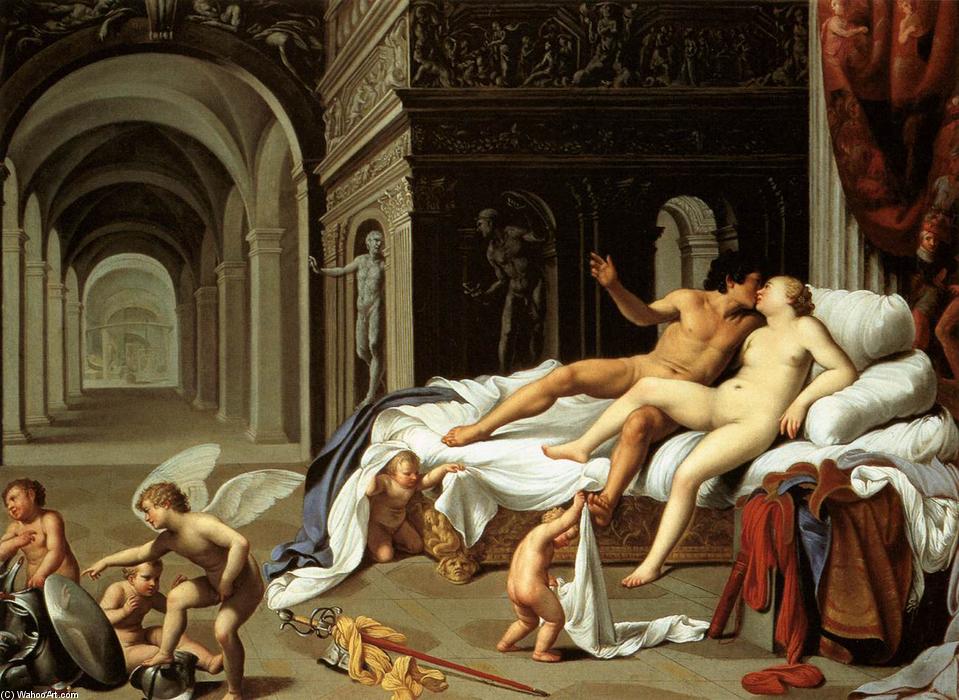
Venus and Mars
 Acrylic On Canvas
- WallArt
- Baroque
 1600
1600 40.0 x 55.0 cm
 Museo Thyssen-Bornemisza
 Read More
Hand Made Oil Reproduction
Hand-painted oil on canvas in your size and frame, made to order by our artists. ( Buy Print Buy Image)




P118B $10

P118H $10

P118W $10

P438Z $10

P508JH $12

P508YH $12

P805H $10

P805Z $10

P919BZ $10

P919G $10

P919XJ $10

P959ZH $10

P968JZ $12

W106C $8

W218G $10

W218JH $8

W218Y $10

W307PJ $10

W316G $10

W316PJ $8

W316Y $10

W398PJ $8

W4111J $10

W500HY $15

W500JH $15

W692G $12

W849H $8

W940BG $15

W953PJ $8




Pick from our preset sizes that match the artwork's original proportions.

You may enter your own dimensions to fit a specific frame or space. If your selected size does not match the original image's proportions, we will either crop the artwork or extend the painting with additional hand-painted elements. A digital mockup will be sent for your approval before production begins.
Please note that the on-screen preview does not reflect the actual cropping or extension. Only the mockup will accurately show the final composition.
While custom sizes are available, we recommend selecting a dimension from the predefined list to preserve the original proportions.
After order, OriginalUniqueArt.com team will email client for instructions and provide a mockup preview
Worldwide Delivery () in 3/4 weeks instead of standard 5 weeks. (21 August). No compromise on quality.

Free Worldwide Express Shipping

High-Quality Linen Canvas

Full Shipping Insurance

Customs Tax Refund Guarantee

True Color Matching Guarantee

60-Day Return Policy (Defects Only)

100% Money-Back Guarantee

Bulk Discount Offer
 Glass option is only available in size under 110 CM

Venus and Mars
Reproduction Medium
Reproduction Size
-


Total Price
$ 300
Artwork Description
Venus and Mars by Carlo Saraceni: A Roman Echo in Venetian Light
Carlo Saraceni’s “Venus and Mars” stands as a cornerstone of Baroque art, embodying the dramatic tension between passion and power that defined the era. Painted in 1600, this monumental copper-mounted oil painting resides within the Museo Thyssen-Bornemisza in Madrid—a testament to its enduring beauty and artistic significance. More than just a depiction of mythological figures, it’s a masterful exploration of chiaroscuro, reflecting Saraceni's profound influence from Caravaggio and his embrace of Adam Elsheimer’s pioneering landscape approach.- Subject Matter: The painting portrays Venus, goddess of love, and Mars, god of war—a pairing that immediately speaks to the fundamental duality inherent in human experience. Their intertwined poses convey intimacy alongside confrontation, mirroring the complexities of desire and conflict.
- Style & Technique: Saraceni’s Venetian style is characterized by a luminous palette dominated by earthy hues – ochre, umber, and Sienna—contrasting sharply with the dramatic interplay of light and shadow that defines tenebrism. This technique, perfected by Caravaggio, utilizes extreme contrasts to heighten emotional impact and create an illusionistic depth rarely achieved before. The artist meticulously renders textures, from the velvety drapery of Venus to the muscular musculature of Mars, demonstrating unparalleled skill in capturing anatomical realism.
- Historical Context: Created during the Counter-Reformation, “Venus and Mars” reflects the Catholic Church’s desire for art that inspires piety and conveys moral authority. Saraceni's work aligns with the broader artistic trends of Rome at the time—a period marked by ambitious patronage and a fervent pursuit of grandeur—yet retains a distinctly Venetian sensibility.
- Symbolism: The composition itself is laden with symbolic significance. Venus’s reclining posture symbolizes receptivity and vulnerability, while Mars's stance embodies assertive dominance. The cherubs surrounding the figures represent divine grace and playful intervention, suggesting that love and war coexist within God’s plan.
A Masterpiece of Venetian Luminosity
Saraceni’s masterful use of light—a technique he honed from Elsheimer's landscapes—transforms the scene into a theatrical spectacle. The diffused glow emanating from Venus and Mars illuminates their flesh tones, creating an ethereal atmosphere that underscores their sensual connection. This luminous quality is juxtaposed against the darker recesses of the room, emphasizing the dramatic tension between opposing forces. Careful attention to detail—the folds of drapery, the expressions on the figures’ faces—further enhances the painting's realism and emotional resonance.Rediscovering Saraceni: Reproductions for Collectors & Designers
Hand-painted oil reproductions offer an unparalleled opportunity to experience the sublime beauty of “Venus and Mars” firsthand. Our atelier collaborates with skilled artists who meticulously recreate Saraceni’s technique, capturing every nuance of color and texture. These reproductions are ideal for discerning collectors seeking authentic artwork or interior designers aiming to infuse their spaces with timeless elegance—a visual homage to one of Baroque art's most captivating achievements. Explore our collection at https://OriginalUniqueArt.com/.Further Exploration: Museo Thyssen-Bornemisza & Carlo Saraceni’s Legacy
To delve deeper into the artistic world of Carlo Saraceni, visit /art/list/?Filter=carlo+saraceni&. Discover other notable works by Saraceni and explore the Museo Thyssen-Bornemisza's impressive collection at /art/list/?Filter=A@D3ASBD-Discovering-the-Beauty-of-Museo-Sorolla-(Madrid-Spain).Artist Biography
The Roman Shadow of Caravaggio
Carlo Saraceni, a name that resonates with the dramatic intensity of the early Baroque era, remains one of the most compelling figures of the seventeenth century. Though his life was relatively brief, spanning from 1579 to 1620, his impact on the Roman art scene was profound. Born in Venice to a family steeped in artistic tradition, Saraceni’s early years were shaped by the meticulous observation and classical ideals inherent in Venetian training. His mastery of both disegno and pictura provided him with a robust foundation, yet it was his departure from the serene traditions of his birthplace that would ultimately define his legacy. Moving to Rome in 1598, he entered a crucible of innovation, joining the prestigious Accademia di San Luca and positioning himself at the heart of a burgeoning artistic revolution.
The trajectory of Saraceni’s career was irrevocably altered by his encounter with the revolutionary techniques of Caravaggio. While he did not merely mimic the master, rather than becoming a mere follower, Saraceni achieved a sophisticated assimilation of tenebrism—the dramatic use of intense light and deep shadow. This mastery of chiaroscuro allowed him to imbue his canvases with an emotional weight and physical presence that captivated both contemporaries and modern scholars alike. His work serves as a bridge between the atmospheric landscapes of Adam Elsheimer and the visceral, human-centric drama of the Caravaggisti movement. In pieces such as The Birth of the Virgin, one can witness this unique synthesis, where divine beauty is rendered through a lens of profound, dramatic lighting and rich, tactile detail.
A Synthesis of Styles and Spirit
Saraceni’s artistic evolution was characterized by a remarkable ability to blend disparate influences into a cohesive, personal language. His early fascination with the landscape paintings of Adam Elsheimer introduced a sense of depth and narrative scale to his work, which he later layered with the heavy, dramatic shadows of the Roman school. This stylistic duality is perhaps most evident in works like Paradise, where the artist successfully merges Venetian artistic traditions with Northern European influences. In this composition, the depiction of the Holy Trinity reflects a pivotal moment in Baroque history, showcasing his ability to handle complex theological themes through a lens of masterful tenebrism.
Beyond the technical brilliance of his brushwork, Saraceni’s work is noted for its profound symbolic depth and emotional resonance. His religious and mythological scenes are rarely mere illustrations; they are psychological explorations. In St Gregory the Great, the meticulous detail of symbolic elements, such as the presence of doves, works in tandem with a starkly lit composition to create an atmosphere of divine intervention and solemnity. This ability to command the viewer's attention through light and shadow ensured his place among the foremost practitioners of his era, earning him a reputation that, while once categorized by historians as a "second-rank" painter, has been rightfully elevated by modern scholarship to recognize his true brilliance.
The historical significance of Carlo Saraceni lies in his role as a pivotal figure within the Roman Baroque movement. His life and work represent the intersection of Venetian grace and Roman drama. Even though he never traveled to France, his cultural reach was expansive, evidenced by his fluency in French and an aesthetic sensibility that resonated with international tastes. Today, his masterpieces reside in some of the world's most esteemed collections, such as the Palazzo del Quirinale and the Galleria Nazionale d'Arte Antica, serving as enduring testaments to a painter who mastered the art of capturing the divine within the shadows.

Carlo Saraceni
1579 - 1620 , Italy
Quick Facts
- Artistic Movement Or Style: Early Baroque; Tenebrism
- Artists Or Movements Influenced By This Artist: ['Caravaggisti']
- Artists Who Influenced This Artist:
- Adam Elsheimer
- Caravaggio
- Date Of Birth: Venice, Italy (1579)
- Date Of Death: Rome (1620)
- Full Name: Carlo Saraceni
- Nationality: Italian
- Notable Artworks:
- St Gregory the Great
- The Birth of the Virgin
- Venus and Mars
- Place Of Birth: Venice
Related Articles

Paul Klee's Masterpieces: Explore 25 Iconic Paintings & Prints | OriginalUniqueArt
Journey through Paul Klee's 25 most iconic paintings & prints. Explore his abstract style, Bauhaus influence, and vibrant color palettes. Find museum-quality art reproductions & decor ideas at OriginalUniqueArt.com. Discover all masterpieces online.

Cézanne's Masterpieces: 25 Iconic Artworks to Transform Your Space
Journey through 25 iconic artworks by Paul Cézanne – a master of Impressionism and Post-Impressionism. Explore his landscapes, still lifes, and the stories behind these timeless masterpieces. Discover museum-quality reproductions & curated decor at OriginalUniqueArt.com.

Divine Beauty: A Visual Journey Through the Iconic Masterpieces of Venus in Art History
Embark on a sophisticated visual journey through art history's most iconic Venus masterpieces. Explore the divine beauty of Botticelli and the evolution of classical mythology through expert curation for the discerning art enthusiast.

Paul Klee: A Poetics of Form and Color – Exploring the Inner Landscape of a Modern Master
Explore the captivating world of Paul Klee! Discover his innovative art, Bauhaus influence, & unique symbolic language. Expert analysis & high-quality reproductions at OriginalUniqueArt.
Botticelli's Masterpieces: Explore 25 Iconic Renaissance Paintings | OriginalUniqueArt
Journey through Botticelli's world with 25 iconic Renaissance paintings. Explore 'Birth of Venus,' 'Primavera,' and more—stories, techniques & timeless beauty. Find museum-quality art reproductions for your home at OriginalUniqueArt.com.



