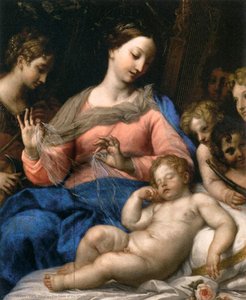
Preview
 Send
Send Share
Share
 Details

 Download
 Similars
 X-Ray
X-Ray Diaporama
 Stats
StatsSelf-portrait
 Graphite
- WallArt
- Baroque
 1684
1684- Renaissance
 37.0 x 27.0 cm
 British Museum
 Read More
Giclée / Art Print
Museum-quality giclée or canvas print with fast production and flexible finish options. ( Buy Hand Made Painting Switch to Digital Image)




P118B $10

P118H $10

P118W $10

P438Z $10

P508JH $12

P508YH $12

P805H $10

P805Z $10

P919BZ $10

P919G $10

P919XJ $10

P959ZH $10

P968JZ $12

W106C $8

W218G $10

W218JH $8

W218Y $10

W307PJ $10

W316G $10

W316PJ $8

W316Y $10

W398PJ $8

W4111J $10

W500HY $15

W500JH $15

W692G $12

W849H $8

W940BG $15

W953PJ $8




Pick from our preset sizes that match the artwork's original proportions.

You may enter your own dimensions to fit a specific frame or space. If your selected size does not match the original image's proportions, we will either crop the artwork or extend the image with a mirrored or solid-fill edge. A digital mockup will be sent for your approval before production begins.
Please note that the on-screen preview does not reflect the actual cropping or extension. Only the mockup will accurately show the final composition.
While custom sizes are available, we recommend selecting a dimension from the predefined list to preserve the original proportions.
Worldwide Delivery () in 2 weeks instead of standard 4/5 weeks. (13 September)

Free Worldwide Express Shipping

High-Quality Linen Canvas

Full Shipping Insurance

Customs Tax Refund Guarantee

True Color Matching Guarantee

100-Day Return Policy (Defects Only)

100% Money-Back Guarantee

Bulk Discount Offer
 Glass option is only available in size under 110 CM

Self-portrait
Giclée / Art Print
Reproduction Size
-


Total Price
$ 81
A Portrait of Quiet Dignity: Carlo Maratta's 1684 Self-Portrait
This meticulously rendered graphite drawing, created in 1684 by the Roman master Carlo Maratta, offers a remarkably intimate glimpse into the mind and artistry of one of the Baroque period’s most influential figures. Measuring just 37 x 27 cm, this seemingly modest work belies the profound depth of observation and technical skill it embodies. It's not merely a likeness; it’s a carefully constructed statement about self-awareness, artistic discipline, and the enduring legacy of classical ideals within a distinctly Baroque framework.
The image presents a frontal view of Maratta himself, captured with an almost unnerving directness. The composition is strikingly focused – the entire canvas devoted to his face and upper torso, devoid of any distracting background elements. This deliberate framing intensifies the viewer’s attention, forcing a contemplative engagement with the subject's gaze. The style leans heavily towards realism, yet it’s tempered by Maratta’s commitment to classical principles, evident in the balanced proportions and restrained emotionality. Notice how geometric shapes – circles for the eyes, ovals defining the head and torso, and rectangles outlining the collar – are used to create a structured, almost architectural representation of the figure.
The Language of Line: Technique and Detail
Maratta’s mastery lies in his command of line. Predominantly linear, these lines aren't simply outlines; they’re carefully calibrated to define every contour with precision. Varying line weights – from delicate hairlines to bolder strokes delineating the clothing – create a dynamic sense of texture and volume. Hatching techniques are employed subtly yet effectively, simulating the appearance of fabric folds and the intricate strands of hair, adding a tactile quality to the image. The slight blurring effect inherent in graphite lends a softness to the overall rendering, suggesting both age and the artist’s deliberate control over the medium.
The monochromatic palette – solely shades of grey – further emphasizes the drawing's formal qualities. It’s a testament to Maratta’s ability to convey form, light, and shadow entirely through line and tone. The single, implied light source, positioned above and slightly in front of the subject, casts carefully rendered shadows that sculpt the figure’s three-dimensional form with remarkable accuracy. This attention to detail speaks volumes about Maratta's dedication to anatomical study and his understanding of how light interacts with surfaces.
Contextualizing a Baroque Classicist
Created in 1684, this self-portrait places Maratta firmly within the context of late Baroque Rome. He was a pivotal figure in transitioning from the more dramatic excesses of the High Baroque to a style characterized by greater clarity, balance, and a renewed interest in classical forms – a movement he largely spearheaded. As documented in his biography by Bellori, Maratta’s early training under Andrea Sacchi instilled within him a deep respect for intellectual rigor and harmonious design. This influence is clearly evident here; the composition feels deliberately controlled, reflecting a philosophical approach to art that prioritized reason and order over flamboyant spectacle.
Maratta's work was commissioned by prominent figures in Rome, including Popes, demonstrating his status as one of the leading artists of his time. His dedication to meticulous draftsmanship and classical principles made him highly sought after for portraits and frescoes alike. This self-portrait serves not only as a visual record of Maratta’s appearance but also as a window into his artistic philosophy – a quiet testament to the enduring power of observation, discipline, and the pursuit of beauty.
Artist Biography
A Roman Master of the Baroque Classicizing Style
Carlo Maratta, often known as Maratti, stands as a pivotal figure in 17th-century Italian painting, embodying the transition from the High Baroque to a more refined and classically inspired aesthetic. Born on May 15, 1625, in Camerano, within the Papal States—now part of Italy—his artistic journey began with an early move to Rome at the age of eleven. This relocation proved transformative, as he entered the studio of Andrea Sacchi, a painter renowned for his measured compositions and commitment to classical ideals. Sacchi’s influence would profoundly shape Maratta's developing style, instilling in him a dedication to clarity, balance, and a restrained emotionalism that distinguished him from more flamboyant Baroque contemporaries. This apprenticeship wasn’t merely technical training; it was an immersion into a philosophical approach to art, one prioritizing intellectual rigor and harmonious design over dramatic spectacle. Maratta absorbed these principles, yet he wouldn't remain solely within their confines, demonstrating a remarkable ability to synthesize classical foundations with the prevailing currents of Baroque sensibility.The Flourishing Career in Rome
Maratta’s talent quickly blossomed, and by the mid-1650s, he had already begun attracting significant commissions. His early works, such as *The Visitation* (1656) for Santa Maria della Pace, reveal a masterful command of light and movement, coupled with an emerging ability to imbue religious scenes with a palpable sense of spiritual depth. He wasn’t simply replicating established models; he was infusing them with his own unique vision, characterized by graceful figures, elegant drapery, and a subtle yet powerful use of color. This period also saw the creation of *The Mystery of the Trinity Revealed to St. Augustine* (circa 1655), a work that exemplifies his skill in balancing classical idealism with Baroque dynamism. As his reputation grew, so did the scale and prestige of his commissions. He became a favored artist among prominent Roman families and, crucially, the papacy itself. Over the course of six decades, Maratta received patronage from no fewer than six popes—a testament to his artistic prowess and political acumen. This consistent papal support not only provided financial security but also positioned him at the very heart of Rome’s artistic and cultural life.A Synthesis of Styles and Influences
Maratta's style is often described as “classicizing Baroque,” a term that encapsulates his unique position within the art historical landscape. While deeply rooted in the classical tradition stemming from Raphael, he wasn’t immune to the influence of the more theatrical tendencies of the Baroque. His contemporary, Giovanni Bellori, recognized this synthesis, documenting Maratta's artistic approach in an early biography. The artist skillfully integrated the dramatic use of light and shadow characteristic of Baroque painting with the clarity of form and compositional balance favored by classicists. This fusion resulted in works that were both emotionally engaging and intellectually satisfying. His palette, while vibrant, was often restrained, prioritizing harmonious color relationships over bold contrasts. He excelled at depicting religious narratives, imbuing them with a sense of reverence and spiritual intensity. *The Appearance of the Virgin to St. Philip Neri* (circa 1675), now housed in the Pitti Palace in Florence, is a prime example of his ability to interpret such themes with grace and profound emotional resonance.Beyond Painting: Restoration and Legacy
Maratta’s contributions extended beyond creating new artworks; he was also entrusted with preserving the artistic heritage of Rome. In 1702-1703, Innocent XI appointed him *surintendent des chambres du vatican* and tasked him with repairing the frescoes of Raphael in the Vatican Stanze—a responsibility that underscored his status as a leading authority on classical art. This undertaking wasn’t merely a matter of technical restoration; it was an act of reverence for one of Italy's greatest artistic treasures, entrusted to a master who understood its significance. Maratta continued working prolifically until his death in Rome on December 15, 1713, leaving behind a vast and influential body of work. His legacy as a master of the late Baroque classicizing manner endured throughout the 18th century, influencing generations of artists with his emphasis on clarity, balance, and harmonious composition. Today, his paintings can be found in museums worldwide, including those featured on platforms like OriginalUniqueArt.com, ensuring that his artistic vision continues to inspire and captivate audiences for years to come.Key Works & Lasting Impact
- Apollo Chasing Daphne: A dynamic depiction of the classical myth, showcasing Maratta’s skill in portraying movement and emotion.
- Adoration of the Magi (in Garland): A richly detailed composition that exemplifies his mastery of color and form.
- Adoration of the Shepherds: A Baroque masterpiece from 1690, celebrated for its divine symbolism and dynamic arrangement.
- The Visitation: An early work demonstrating Maratta’s emerging talent for light and movement within a religious context.
- The Mystery of the Trinity Revealed to St. Augustine: A compelling example of his ability to blend classical idealism with Baroque elements.

Carlo Maratta
1625 - 1713 , Italy
Quick Facts
- Artistic Movement Or Style: Baroque classicism
- Artists Or Movements Influenced By This Artist: ['18th-century art']
- Artists Who Influenced This Artist: ['Andrea Sacchi']
- Date Of Birth: May 15, 1625
- Date Of Death: 1713
- Full Name: Carlo Maratta
- Nationality: Italian
- Notable Artworks:
- The Visitation
- Trinity Revealed
- St. Philip Neri
- Apollo Chasing Daphne
- Adoration of Magi
- Adoration Shepherds
- Place Of Birth: Camerano, Italy
Related Articles
The Alchemy of Graphite: An Expert Guide to Mastering Detail and Depth in Pencil Sketching
Unlock the secrets of graphite sketching with our expert guide for art students. Learn to master pencil grades, create realistic depth, and capture intricate textures through professional techniques designed to elevate your observational drawing skills.

The Alchemy of Carbon: Mastering Depth, Texture, and Precision in the Art of Graphite Drawing
Discover the sophisticated mastery of graphite drawing. Explore expert techniques for achieving profound depth, intricate texture, and hyper-realistic detail through the alchemy of carbon, curated for the discerning art enthusiast and professional collector.
The Power of Graphite: Mastering Depth, Texture, and Detail in the Art of Pencil Drawing
Explore the profound artistry of graphite drawing. Discover professional techniques for mastering depth, texture, and detail through a lens of art history, from classical sketches to modern masterpieces. Elevate your understanding of the pencil medium with our expert guide.
The Nuances of Graphite: Exploring Emotional Depth & Technical Mastery in Pencil Drawing
Explore the captivating world of graphite drawing! Discover its rich history, master essential techniques like chiaroscuro, and learn how artists evoke emotion through this timeless medium. Expert insights for art enthusiasts.

Baroque Classicism: The Grandeur of Order and Drama in 17th-Century Art History
Explore the profound elegance of Baroque Classicism. Discover how 17th-century masters synthesized dramatic emotion with classical order through the lens of the Counter-Reformation and the works of legends like Carlo Maratta and Andrea Sacchi.