 Preview
 Send
Send Share
Share
 Details

 Download
 Similars
 X-Ray
X-Ray Diaporama
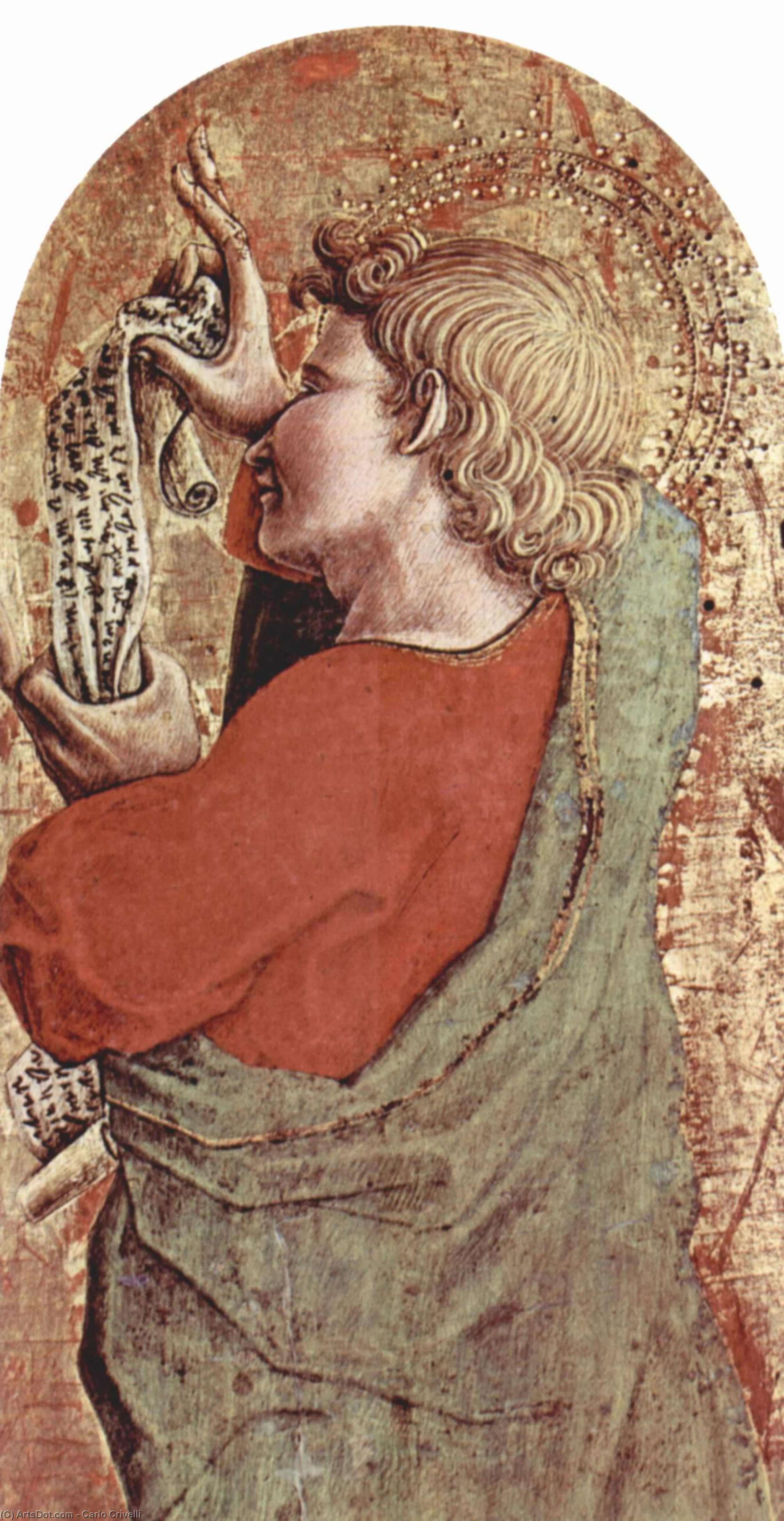
Saint James
 Oil On Panel
- Early Renaissance
 1473
1473- Renaissance
 29.0 x 17.0 cm
 Read More
Hand Made Oil Reproduction
Hand-painted oil on canvas in your size and frame, made to order by our artists. ( Switch to Print Switch to Image)




P118B $10

P118H $10

P118W $10

P438Z $10

P508JH $12

P508YH $12

P805H $10

P805Z $10

P919BZ $10

P919G $10

P919XJ $10

P959ZH $10

P968JZ $12

W106C $8

W218G $10

W218JH $8

W218Y $10

W307PJ $10

W316G $10

W316PJ $8

W316Y $10

W398PJ $8

W4111J $10

W500HY $15

W500JH $15

W692G $12

W849H $8

W940BG $15

W953PJ $8




Pick from our preset sizes that match the artwork's original proportions.

You may enter your own dimensions to fit a specific frame or space. If your selected size does not match the original image's proportions, we will either crop the artwork or extend the painting with additional hand-painted elements. A digital mockup will be sent for your approval before production begins.
Please note that the on-screen preview does not reflect the actual cropping or extension. Only the mockup will accurately show the final composition.
While custom sizes are available, we recommend selecting a dimension from the predefined list to preserve the original proportions.
After order, OriginalUniqueArt.com team will email client for instructions and provide a mockup preview
Worldwide Delivery () in 3/4 weeks instead of standard 5 weeks. (9 August). No compromise on quality.

Free Worldwide Express Shipping

High-Quality Linen Canvas

Full Shipping Insurance

Customs Tax Refund Guarantee

True Color Matching Guarantee

60-Day Return Policy (Defects Only)

100% Money-Back Guarantee

Bulk Discount Offer
 Glass option is only available in size under 110 CM

Saint James
Reproduction Medium
Reproduction Size
-


Total Price
$ 300
Artwork Description
A Divine Encounter in Oil
In the quiet, textured depths of Carlo Crivelli’s Saint James, painted in 1473, viewers are transported to the dawn of the Italian Renaissance. This intimate masterpiece, rendered on a delicate wood panel, captures a moment of profound spiritual connection. The composition centers on a noble male figure—often identified through his attributes as a saintly presence—who rests his hand with gentle authority upon the head of a winged lion. There is an immediate, palpable sense of reverence in the way the figure holds his book, a symbol of divine wisdom and sacred scripture, while the lion gazals outward, bridging the gap between the earthly and the celestial. The painting does not merely depict a scene; it invites the observer into a meditative state, where the weight of history and the lightness of grace coexist.
The artistry of Crivelli is nothing short of mesmerizing, characterized by a meticulous attention to detail that defines his unique Venetian-influenced style. As an expert in the nuances of the Early Renaissance, one cannot help but admire the way the artist utilizes impasto techniques to breathe life into the fabric of the saint's crimson robes. The red pigments are layered with such richness that they seem to catch the light even in shadow, creating a tactile sensation of heavy, luxurious drapery. Crivelli’s mastery of trompe l'oeil—the art of optical illusion—is evident in the way the organic shapes of the lion’s wings and the anatomical precision of the figure’s hands emerge from a mottled, earthy background. This textured backdrop, far from being a mere void, acts as a weathered tapestry of time, lending the work an ancient, venerable soul.
Symbolism and the Renaissance Spirit
Beyond its aesthetic splendor, Saint James serves as a profound vessel for religious and civic symbolism. The presence of the winged lion is particularly evocative; while it serves as a companion to the saint, it also carries the heavy weight of Venetian identity, representing strength, majesty, and the watchful eye of the Republic. The interplay between the human form and the beast suggests a harmony between man’s intellect—represented by the book—and the untamed power of nature and divinity. For the discerning collector or interior designer, this piece offers more than just decoration; it provides a focal point of intellectual depth. The subtle lighting, descending from above to cast soft shadows across the musculature of the figure, creates a three-dimensional presence that commands attention in any curated space.
Integrating a reproduction of such historical significance into a modern environment allows for a sophisticated dialogue between the past and the present. Whether placed in a sunlit study or a grand, classical hallway, the work’s muted, earthy tones and dramatic highlights provide a sense of permanence and prestige. It is an artwork that rewards prolonged contemplation, offering new layers of meaning with every glance at its fine lines and masterful brushwork. To possess such a piece is to hold a fragment of the 15th century, a testament to the enduring power of Crivelli’s vision and the timeless beauty of the Renaissance spirit.
Artist Biography
early life and training
carlo crivelli, an italian renaissance painter, was born in venice around 1430-35. he came from a family of painters and received his artistic formation in venice and padua. crivelli's early training is believed to have been under jacobello del fiore, who was still active in 1436. he also studied at the school of vivarini in venice.
career and style
crivelli spent his early years in the veneto, absorbing influences from vivarini, squarcione, and mantegna. by 1458, he left the veneto and spent most of his career in the march of ancona, developing a distinctive personal style that contrasts with that of his venetian contemporary giovanni bellini. crivelli's work is characterized by a conservative late gothic decorative sensibility, marked by a linear quality, attention to detail, and the use of "trompe l'oeil" techniques.
notable works and collaborations
* carlo crivelli's painting "madonna and child enthroned" (106 x 55 cm, museum of fine arts, budapest, hungary) is a prime example of his style. * he collaborated with his younger brother vittorio crivelli on several projects. * pietro alemanno, a painter who immigrated to the march of ancona from germany/austria, was his pupil and collaborator.
museums and collections
* the pinacoteca di brera in milan, italy, features several of crivelli's works, including "pietà" (128 x 241 cm). * the museum san giovanni in bragora in venice, italy, has a collection of artworks from various periods and styles, including some attributed to crivelli.
- view carlo crivelli's artworks on OriginalUniqueArt.com
- explore jacopo robusti's works on OriginalUniqueArt.com
- read more about carlo crivelli on wikipedia
crivelli's legacy continues to inspire art enthusiasts and scholars alike, with his work remaining a testament to the enduring power of conservative late gothic decorative sensibility.

Carlo Crivelli
1435 - 1495 , Italy
Quick Facts
- Artistic Movement Or Style: Late Gothic/Renaissance
- Artists Or Movements Influenced By This Artist: ['Giovanni Bellini']
- Artists Who Influenced This Artist:
- Jacobello del Fiore
- Vivarini
- Squarcione
- Mantegna
- Date Of Birth: c. 1430-35 Venice
- Date Of Death: c. 1495 Italy
- Full Name: Carlo Crivelli
- Nationality: Italian
- Notable Artworks:
- Madonna and Child
- Saint Bartholomew
- Saint Roch
- Place Of Birth: Venice, Italy
Related Articles

Whistler's Masterpieces: Explore 25 Iconic Paintings & Aesthetic Art for Your Home
Journey through 25 iconic James Abbott McNeill Whistler paintings! Explore his masterpieces of Aestheticism, from 'Nocturne in Black and Gold' to captivating portraits. Find museum-quality art reproductions & elevate your home decor with OriginalUniqueArt.com. Discover the full collection online.

Sir Alfred Munnings' Masterpieces: 25 Paintings That Define Equine Art | OriginalUniqueArt
Explore 25 iconic Sir Alfred Munnings paintings! Discover the beauty of British Impressionism, equine art & rural England. Find museum-quality reproductions and elevate your home decor with OriginalUniqueArt. Explore the full collection online.
Oil on Board: A Historical Survey of Technique, Aesthetic Qualities & Enduring Appeal
Explore the rich history of oil on board painting! Discover techniques, aesthetic qualities & enduring appeal from early masters to modern practice. Expert insights for collectors and art enthusiasts.

The Enduring Legacy of Oil on Canvas: Technique, History & Aesthetic Impact
Explore the rich history & techniques of oil painting – from Renaissance masters to Impressionism. Discover pigments, layering methods, and why this timeless medium endures. Expert insights for artists & art enthusiasts.

Oil on Canvas: A Historical & Technical Exploration of a Timeless Artistic Medium
Explore the rich history & enduring techniques of oil painting on canvas. Discover the science behind its longevity, conservation practices, and contemporary relevance. Expert insights for art enthusiasts.