Preview
 Send
Send Share
Share
 Details
 Guide
Guide

 Download
 Similars
 X-Ray
X-Ray Diaporama
 Stats
StatsThe Death of General Wolfe
 Oil On Canvas
- WallArt
- Neoclassicism
 1770
1770- Early Modern
 151.0 x 213.0 cm
 Read More
Giclée / Art Print
Museum-quality giclée or canvas print with fast production and flexible finish options. ( Buy Hand Made Painting Switch to Digital Image)




P118B $10

P118H $10

P118W $10

P438Z $10

P508JH $12

P508YH $12

P805H $10

P805Z $10

P919BZ $10

P919G $10

P919XJ $10

P959ZH $10

P968JZ $12

W106C $8

W218G $10

W218JH $8

W218Y $10

W307PJ $10

W316G $10

W316PJ $8

W316Y $10

W398PJ $8

W4111J $10

W500HY $15

W500JH $15

W692G $12

W849H $8

W940BG $15

W953PJ $8




Pick from our preset sizes that match the artwork's original proportions.

Type the width and the height you need, to fit your frame or your wall. A print can only be cut, never made bigger than the picture, so a size with a different shape loses a part of the image. We send you a digital mockup to approve before we print anything. The picture shown on this page does not show the real cut — only the mockup does.
Worldwide Delivery () in 2 weeks instead of standard 4/5 weeks. (25 October)

Free Worldwide Express Shipping

High-Quality Linen Canvas

Full Shipping Insurance

Customs Tax Refund Guarantee

True Color Matching Guarantee

100-Day Return Policy (Defects Only)

100% Money-Back Guarantee

Bulk Discount Offer
 Glass option is only available in size under 110 CM

The Death of General Wolfe
Giclée / Art Print
Reproduction Size
-


Total Price
$ 81
The Death of General Wolfe: A Masterpiece of Historical Art
Historical Context and Significance
"The Death of General Wolfe" by Benjamin West is an iconic painting that captures a pivotal moment in history—the Battle of Quebec on September 13, 1759. This battle, part of the Seven Years' War, decided the fate of France's colonies in North America. General James Wolfe, who led the British forces to victory, was mortally wounded during the conflict. West's painting immortalizes this moment, transforming it into a powerful narrative of heroism and sacrifice.Artistic Style and Technique
Benjamin West, an Anglo-American artist, is renowned for his historical paintings that blend Neoclassical ideals with contemporary accuracy. This masterpiece exemplifies his innovative approach to history painting by depicting figures in modern attire rather than classical costumes, a controversial choice at the time. The composition features a triangular arrangement, with the flag held aloft as the apex, creating a sense of balance and focus on the central figure of General Wolfe.Subject Matter and Symbolism
The painting vividly portrays the aftermath of the battle, with General Wolfe lying on the ground, surrounded by his comrades. The scene is rich in symbolism: Wolfe's Christ-like pose suggests martyrdom, while the flag held high signifies victory and national pride. The Indigenous warrior kneeling thoughtfully adds a layer of complexity, reflecting contemporary ideals of the "noble savage." Each figure's expression and gesture contributes to the overall narrative of loss, camaraderie, and resilience.Color Palette and Emotional Impact
West employs an earthy color palette dominated by browns, greens, and reds, typical of historical military scenes. The rich, deep colors of the figures' clothing—burgundy, green, and blue—add a sense of formality and importance. The dramatic lighting, with strong contrasts between light and shadow, enhances the emotional intensity of the scene. This interplay of color and light creates a powerful visual impact, drawing viewers into the moment of Wolfe's death.Technical Brilliance
The painting showcases West's meticulous technique and attention to detail. The dynamic lines convey movement and emotion, while the varied shapes—from rounded figures to angular elements of clothing and weapons—add depth and texture. The intricate detailing of fabric textures and the rough terrain underfoot demonstrates West's mastery of oil paints on canvas.Why Collectors and Designers Love This Artwork
"The Death of General Wolfe" is a timeless piece that appeals to art lovers, collectors, and interior designers alike. Its historical significance, combined with its emotional depth and technical brilliance, makes it a valuable addition to any collection. The painting's dramatic composition and rich color palette can serve as a striking focal point in various interior styles, from classical to contemporary.Bring This Masterpiece into Your Space
Own a high-quality reproduction of "The Death of General Wolfe" and bring the drama and history of this iconic artwork into your home or office. Whether you are an art enthusiast, a collector, or an interior designer seeking inspiration, this painting offers a profound connection to the past while enhancing the aesthetic appeal of any space.Discover More
Explore the life and works of Benjamin West, and delve deeper into the historical context and symbolism of "The Death of General Wolfe." Our collection of hand-painted reproductions ensures that you can own a piece of art history with unparalleled quality and craftsmanship.Questions & Answers
What does "The Death of General Wolfe" by Benjamin West depict?
The subjects of "The Death of General Wolfe" are historical battle, military hero, sacrifice, colonialism, victory, martyrdom, 18th century, wolfe.
What emotion does "The Death of General Wolfe" by Benjamin West convey?
"The Death of General Wolfe" by Benjamin West conveys a somber emotional tone.
Is "The Death of General Wolfe" more bright or more dark overall?
"The Death of General Wolfe" is deep_shadow overall, and its luminance is dark.
Artist Biography
A Pioneer Bridging Worlds: The Life and Legacy of Benjamin West
Born in 1738 amidst the burgeoning landscape of colonial Pennsylvania, Benjamin West emerged as a pivotal figure in the transatlantic art world, a painter who skillfully navigated the currents of Neoclassicism and Romanticism while forging a uniquely American artistic identity. His story is one of remarkable self-education, unwavering ambition, and an extraordinary ability to connect with both aristocratic patrons and revolutionary ideals. From humble beginnings—his father an innkeeper in Springfield—West’s innate talent was nurtured by early exposure to the arts, reportedly learning rudimentary techniques from Native Americans before receiving any formal training. This unconventional start instilled within him a spirit of innovation that would characterize his entire career. He quickly established himself as a sought-after portraitist in Philadelphia and New York, but a thirst for deeper artistic knowledge propelled him towards Europe in 1760, embarking on a journey that would irrevocably alter the course of American art.From Italy to London: Forging a Path to Recognition
West’s arrival in Italy marked a turning point. Immersing himself in the artistic heartland of Europe, he studied the masters—Titian, Raphael—and engaged with contemporary Neoclassical thinkers like Anton Rafael Mengs and Angelica Kauffman. This period was crucial in shaping his aesthetic sensibilities, instilling within him an appreciation for classical form and historical narrative. However, it was London that ultimately became his adopted home and artistic center. Arriving in 1763, West swiftly ascended the ranks of the British art scene, captivating audiences with his ambitious canvases and securing the patronage of King George III. This royal endorsement not only provided financial stability but also cemented his position as a leading figure within the establishment. A defining moment came with his election to the Royal Academy in 1769, an institution he would later preside over as President from 1792 until his death. His influence extended beyond his own artistic production; West became a champion for American artists seeking training abroad, offering guidance and support to generations of aspiring painters like Allston, Copley, and Morse.Revolutionizing Historical Painting: Technique and Controversy
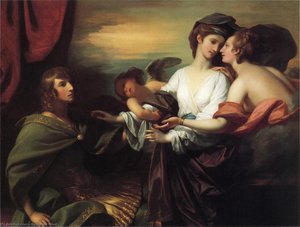
West’s impact on the art world wasn't merely about achieving technical mastery; it was about challenging conventions. He dared to reimagine historical painting, moving away from rigid adherence to classical precedent and embracing a more contemporary sensibility. The Death of General Wolfe (1770), arguably his most famous work, exemplifies this revolutionary approach. By depicting the fallen general surrounded by figures in *contemporary* military attire rather than traditional Roman garb, West sparked considerable debate. Critics questioned the historical accuracy, but audiences were captivated by the immediacy and emotional resonance of the scene. This bold move signaled a shift towards greater realism and narrative power in history painting, influencing countless artists who followed. His style evolved over time, incorporating elements of Romanticism into his later works, yet always retaining a commitment to ambitious composition and detailed execution. Other notable pieces like Thetis Bringing the Armor to Achilles, The Three Sisters, The Fright of Astyanax, and The Cave of Despair demonstrate his versatility and mastery across a range of mythological and historical themes.A Lasting Legacy: Shaping Artistic Identity
Benjamin West’s legacy extends far beyond the canvases he created. He fundamentally altered the landscape of American art, establishing history painting as a viable genre for American artists and fostering a sense of national artistic identity. His presidency of the Royal Academy solidified his influence on British art, promoting innovation and supporting emerging talent.- He championed a more accessible and emotionally engaging style of historical representation.
- His studio became a haven for American artists seeking training in Europe.
- He bridged the gap between Neoclassical ideals and the burgeoning Romantic movement.

Benjamin West
1738 - 1820 , United States of America
Quick Facts
- Full Name: Benjamin West
- Nationality: American
- Date Of Birth: 1738
- Date Of Death: 1820
- Place Of Birth: Springfield, United States of America
- Notable Artworks:
- The Death of General Wolfe
- Thetis Bringing Armor
- The Three Sisters
- Fright of Astyanax
- Artistic Movement Or Style: Neoclassical, Romanticism
- Artists Who Influenced This Artist:
- Titian
- Raphael
- Mengs
- Hamilton
- Kauffman
- Artists Or Movements Influenced By This Artist:
- Allston
- Copley
- Morse
Related Articles
Henry Wolf: A Legacy of Abstract Expressionism & Emotional Resonance in Post-War Art
Explore the profound legacy of Henry Wolf, a pivotal figure in Abstract Expressionism and post-war visual culture. Discover his impact on graphic design, photography, and art collecting with OriginalUniqueArt.
Neoclassical Art: 10 Masterpieces That Shaped History |
Explore 10 defining Neoclassical masterpieces by David, Ingres & Canova. Discover the history, symbolism & artistry behind these iconic paintings and sculptures. Find museum-quality art reproductions at – elevate your home with timeless beauty.

Neoclassical Portraiture: The Timeless Elegance of Order, Grace, and Academic Mastery
Explore the refined world of Neoclassical portraiture. Discover the mastery of line, light, and order through an expert exploration of academic art history, from Jacques-Louis David to Jean-Antoine Houdon. Immerse yourself in the timeless elegance of classical realism.

Benjamin West: Transatlantic Ambition & Shaping American Art
Explore the life & legacy of Benjamin West, pioneering American artist and Royal Academy president. Discover his Neoclassical masterpieces, transatlantic influence, and lasting impact on art history. Learn more at OriginalUniqueArt.
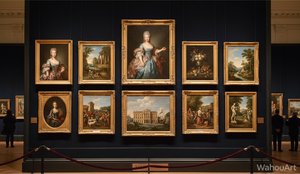
18th Century Masters: 10 Artworks That Define an Era | OriginalUniqueArt
Journey through 18th century art! Explore 10 iconic paintings – from Rococo elegance to Neoclassical grandeur. Discover Fragonard, David & more. Find museum-quality reproductions and elevate your home decor on OriginalUniqueArt.com.