
 Preview
 Send
Send Share
Share
 Details

 Download
 Similars
 X-Ray
X-Ray Diaporama
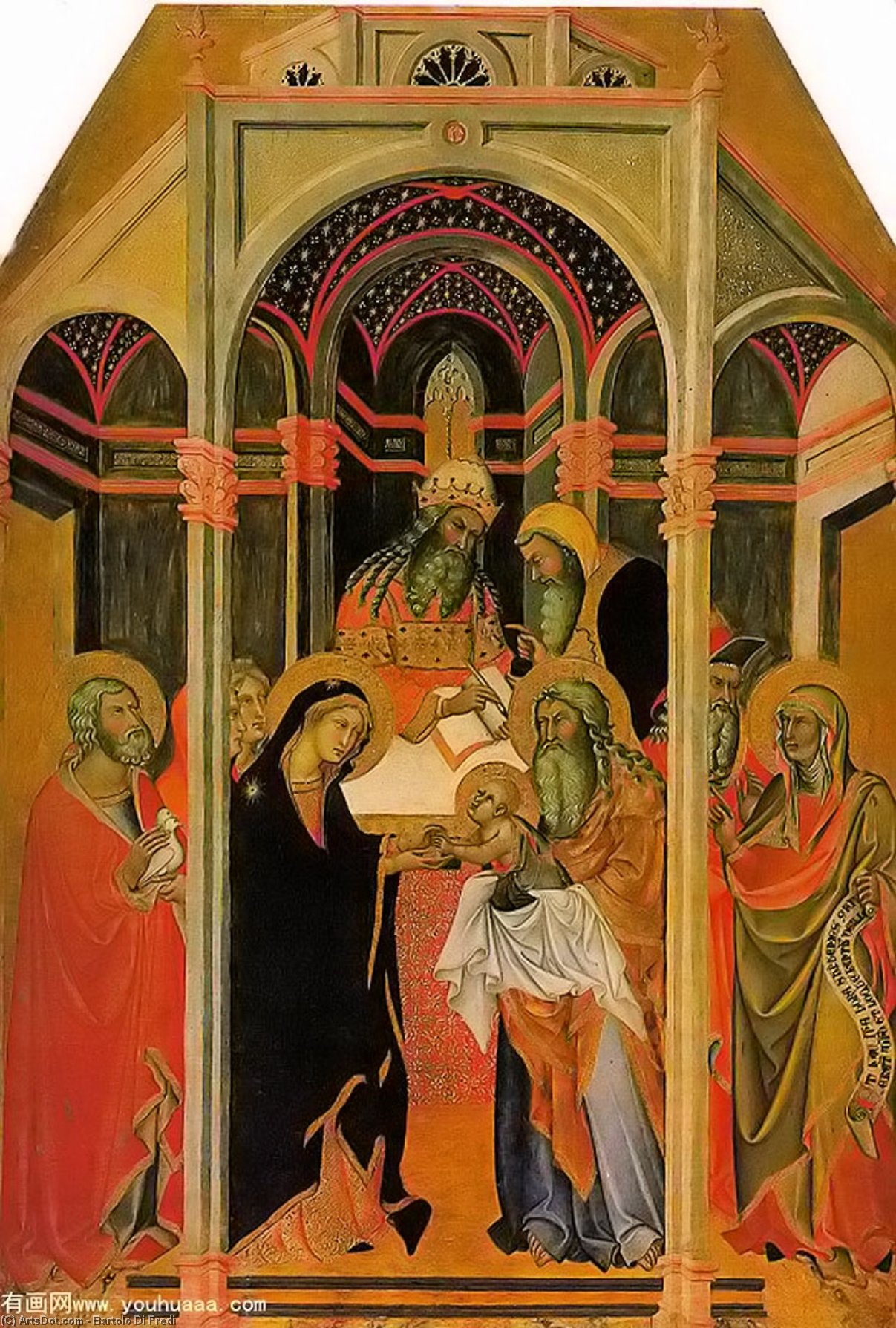
The Presentation in the Temple


 Read More
Purchase a high-resolution, enhanced digital image, far superior to the online preview.
Each file is meticulously prepared by our in-house specialists using advanced tools and expert manual retouching. We ensure every image has exceptional clarity, precise color accuracy, and fine detail.
The final file is delivered via email within 72 hours, optimized for immediate use in professional, editorial, and print environments. This is the same quality trusted by top-tier design studios, publishers, and galleries.
Digital Image
Download a high-resolution file for personal display, printing, and creative projects. ( Buy Print Buy Hand Made Painting)
Included in Every Digital Image Order
Expert Digital Delivery, Guaranteed
When you choose OriginalUniqueArt.com, you're not just getting an image - you're receiving a professionally enhanced digital artwork, crafted with precision and backed by a satisfaction guarantee. Here's everything that comes with your order, automatically:

Fast Email Delivery
Your high-resolution digital image file will be emailed to you within 72 hours of ordering - ready for immediate use.

AI-Enhanced Digital File
Your artwork is professionally optimized using advanced AI tools and manual editing, ensuring maximum detail, clarity, and color accuracy.

Free Lifetime Re-Delivery
Accidentally deleted or lost your file? No worries - we'll resend it to you anytime, free of charge.

No Import Fees - Ever
Enjoy your artwork instantly with zero customs, duties, or delivery fees - digital downloads are always tax-free.

Color Accuracy Guarantee
We ensure your digital image reflects the original colors as closely as possible using professional tools and color management.

60-Day Satisfaction Guarantee
If you're not satisfied with your digital image, we'll revise it or refund 100% within 60 days - no questions asked.

100% Money-Back Guarantee
Not satisfied? Get a full refund within 60 days of receiving your digital file - no questions asked.

Bulk Order Discounts
Buy 3 images, save 10% - Buy 5, save 15% - Buy 10+, save 20%. Great for creative projects, galleries, and agencies.
Collectible Description
Bartolo di Fredi’s “The Presentation in the Temple”: A Glimpse of Divine Grace
Bartolo di Fredi's "The Presentation in the Temple," painted circa 1400, isn’t merely a depiction of a biblical scene; it’s a shimmering portal into the heart of late medieval spirituality. Created during a pivotal moment of artistic transition – bridging the opulent grandeur of Simone Martini with the burgeoning naturalism of the Renaissance – this tempera-on-wood panel offers a profound meditation on faith, family, and divine grace. The painting, now housed in the Louvre Museum, immediately captivates with its ethereal luminosity, a hallmark of Fredi’s distinctive style, where light seems to emanate from within the figures themselves. It's a work that speaks not just to the eye but to the soul, inviting contemplation on themes of humility, devotion, and the profound mystery at the heart of Christian belief.A Symphony of Color and Detail: Technique and Style
Fredi’s mastery lies in his ability to synthesize disparate artistic influences into a cohesive and deeply moving whole. The painting is executed in tempera on wood panels, a technique favored for its rich colors and durability – qualities that have allowed the work to endure remarkably well over the centuries. Notice the meticulous detail lavished upon each figure: the flowing robes of Mary, rendered in deep blues and golds, the solemn expression of Joseph, the radiant halo surrounding the infant Jesus. The architectural backdrop, a stylized Gothic church with pointed arches and ribbed vaults, further anchors the scene within its historical context. However, Fredi doesn’t simply replicate reality; he imbues it with an otherworldly quality through his masterful use of color and light. He employs a technique known as “gesso secco,” applying layers of gesso to the wood surface before painting, creating a smooth, reflective ground that enhances the vibrancy of the colors. The gold leaf strategically applied – particularly around the figures’ halos and architectural elements – amplifies this sense of divine splendor, transforming the scene into a veritable tapestry of light and color.The Narrative Unfolds: Symbolism and Context
“The Presentation in the Temple,” or *La Presentazione di Maria al Tempio*, depicts a pivotal moment from Christian tradition: Mary and Joseph presenting Jesus at the Temple in Jerusalem forty days after his birth. This event, recounted in Luke’s Gospel, holds profound symbolic weight within Christianity. It represents not only the fulfillment of prophecy but also the beginning of Jesus' public ministry – a journey marked by humility, devotion, and ultimately, sacrifice. The inclusion of Simeon, an elderly prophet foretold to recognize the Messiah, underscores the theme of divine recognition and the promise of salvation for all peoples. The offering of two turtledoves (or pigeons) symbolizes the couple’s poverty and their willingness to offer a simple gift to God. Furthermore, the scene is imbued with a sense of anticipation – a quiet reverence that suggests the profound significance of this moment in both Mary's and Joseph's lives.A Bridge Between Eras: Fredi’s Legacy
Bartolo di Fredi stands as a crucial figure in the transition from Gothic to Renaissance art in Tuscany. While deeply influenced by Simone Martini’s elegant style – particularly his use of rich colors, flowing drapery, and intricate details – Fredi moved beyond mere imitation, incorporating elements of naturalism and perspective that would characterize the burgeoning Renaissance movement. His work embodies a synthesis of these influences, creating a uniquely expressive and emotionally resonant style. “The Presentation in the Temple” is a testament to his artistic vision—a luminous depiction of faith, family, and divine grace that continues to inspire awe and contemplation centuries after its creation. It’s a piece that speaks volumes about the enduring power of art to capture the essence of human experience and connect us to something greater than ourselves.Artist Biography
The Luminous Legacy of Bartolo di Fredi
In the heart of fourteenth-century Tuscany, a period defined by the transition from the ethereal grace of the Gothic era to the burgeoning humanism of the Renaissance, Bartolo di Fredi emerged as a master of light and narrative. Born in Siena around 1330, he was more than just a painter; he was a bridge between two worlds. His work, often characterized by an otherworldly luminosity and a meticulous devotion to detail, captured the spiritual fervor of his age while introducing a decorative complexity that would leave an indelible mark on the Sienese School. To gaze upon a Fredi masterpiece is to enter a realm where the sacred and the ornamental dance in perfect, gilded harmony.
The foundations of his career were deeply rooted in the prestigious guilds of Siena. By 1355, he had officially entered the Arte dei Maestri di Tavola e Dipinto, a milestone that granted him access to the most significant patronage networks in Italy. This professional stability allowed him to collaborate with other luminaries of the era, such as Andrea Varga, on monumental projects like the decoration of the Siena Cathedral. These early years were formative, as he absorbed the aristocratic elegance of Simone Martini and the foundational traditions of Duccio, refining a style that rejected the coldness of strict realism in favor of a more emotive, symbolic beauty.
A Master of Fresco and Narrative Drama
Perhaps the most breathtaking testament to Fredi’s genius is found within the walls of the San Gimignano Cathedral. Between 1356 and 1367, he undertook an ambitious cycle of frescoes that transformed the left aisle into a vivid biblical tapestry. In these works, such as the visceral Killing of the Servants of Job, one can witness his ability to command large-scale compositions with intense dramatic tension. He did not merely depict scenes; he orchestrated them, using color and movement to guide the viewer through stories of profound suffering and divine intervention. His technique in these frescoes showcased an early mastery of illusionistic space, pushing the boundaries of what the Gothic style could achieve.
Beyond the monumental scale of his frescoes, Fredi excelled in the intimate medium of altarpieces. His Annunciation (1383) serves as a quintessential example of his ability to blend the sacred with the exquisite. In this work, the use of light is not merely a technical feat but a theological tool, illuminating the delicate details of the Virgin’s surroundings and creating an atmosphere of profound sanctity. His approach to panel painting allowed for a level of ornamentation—gold leaf, intricate patterns, and fine linework—that satisfied the era's craving for splendor while maintaining a deep, spiritual focus.
Historical Significance and Artistic Influence
The historical importance of Bartolo di Fredi lies in his role as a stylistic pivot. While he remained loyal to the decorative traditions that defined Sienese art, he possessed an innate curiosity for the evolving techniques of his time. He stood at the crossroads of history, preserving the delicate, dreamlike qualities of the late Gothic period while preparing the ground for the more structured, human-centric approach of the Renaissance. His ability to synthesize these opposing forces created a unique visual language that was both nostalgic and forward-looking.
Today, his contributions are recognized as essential components of the Tuscan artistic identity. The legacy of Bartolo di Fredi can be summarized through several key pillars of his impact:
- Stylistic Synthesis: He successfully merged the aristocratic elegance of the Sienese tradition with a new, more dynamic narrative energy.
- Narrative Innovation: His fresco cycles in San Gimignano redefined how biblical stories could be told through large-scale, emotionally charged imagery.
- Decorative Mastery: He elevated the use of color and ornamentation, making the altarpiece a vessel for both devotion and aesthetic wonder.
- Cultural Continuity: As a prominent member of the Sienese guilds, he helped maintain the prestige of Tuscan art during a period of significant social and artistic transition.
Though the tides of art history eventually moved toward the intense realism of later masters, the luminous, enchanted world created by Bartolo di Fredi remains a vital chapter in the story of Western art, reminding us of a time when painting was a window into the divine.

Bartolo di Fredi
1330 - 1410 , Italy
Quick Facts
- Artistic Movement Or Style: Sienese School
- Artists Or Movements Influenced By This Artist: ['Gothic Art']
- Artists Who Influenced This Artist:
- Simone Martini
- Duccio
- Date Of Birth: c. 1330
- Date Of Death: january 26, 1410
- Full Name: Bartolo di Fredi
- Nationality: Italian
- Notable Artworks:
- The Coronation of the Virgin
- Abraham is divided by Lot in the land of Canaan
- Killing of the servants of Job
- Place Of Birth: Siena, Italy

