Send
Send Share
Share
 Details
 Guide
Guide

 Download
 Similars
 Diaporama
 Stats
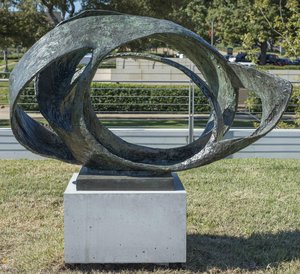
StatsMother and Child


 Read More
Giclée / Art Print
Museum-quality giclée or canvas print with fast production and flexible finish options. ( Buy Hand Made Painting Switch to Digital Image)




































Pick from our preset sizes that match the artwork's original proportions.

You may enter your own dimensions to fit a specific frame or space. If your selected size does not match the original image's proportions, we will either crop the artwork or extend the image with a mirrored or solid-fill edge. A digital mockup will be sent for your approval before production begins.
Please note that the on-screen preview does not reflect the actual cropping or extension. Only the mockup will accurately show the final composition.
While custom sizes are available, we recommend selecting a dimension from the predefined list to preserve the original proportions.
Worldwide Delivery () in 2 weeks instead of standard 4/5 weeks. (27 September)

Free Worldwide Express Shipping

High-Quality Linen Canvas

Full Shipping Insurance

Customs Tax Refund Guarantee

True Color Matching Guarantee

100-Day Return Policy (Defects Only)

100% Money-Back Guarantee

Bulk Discount Offer
 Glass option is only available in size under 110 CM

Mother and Child
Giclée / Art Print
Reproduction Size
-


Total Price
$ 81
A Silent Embrace: Exploring Barbara Hepworth’s ‘Mother and Child’ Sculpture
Barbara Hepworth (1903-1975), a pivotal figure in British modern sculpture, gifted the art world with enduring images of profound emotion and understated beauty. Her masterpiece, ‘Mother and Child,’ created in 1934, exemplifies Hepworth's signature style—a masterful blend of abstraction and organic form—capturing a timeless depiction of maternal love and familial connection. The sculpture itself is crafted from stone or marble, chosen for its inherent stability and ability to convey texture and depth, reflecting Hepworth’s fascination with geological forms and their influence on artistic expression.Form and Technique: Minimalist Elegance
Hepworth's approach to sculpting was revolutionary for her time. Rejecting representational art, she prioritized conveying feeling through geometric shapes that subtly suggest the contours of human figures. The sculpture’s form is characterized by two interlocking forms—one larger than the other—positioned vertically, mirroring the posture of a mother cradling her child. Hepworth meticulously honed her technique, employing hammer and chisel to carve away material, revealing the stone's natural grain and creating surfaces that shimmer with subtle variations in tone. This painstaking process ensured that every detail contributed to the sculpture’s overall impact, emphasizing its sculptural qualities over mere visual imitation.Historical Context: Surrealism and British Modernism
‘Mother and Child’ emerged during a period of significant artistic experimentation—the early 1930s—marked by the burgeoning influence of surrealism and abstraction in Britain. Hepworth was instrumental in establishing Unit One, alongside Ben Nicholson, Paul Nash, and others, aiming to synthesize these movements into a cohesive aesthetic vision. This collaborative effort reflected a broader desire to move beyond traditional artistic conventions and embrace new approaches to expressing human experience. The sculpture’s simplicity resonated with the prevailing modernist ethos of its era—a rejection of ornate decoration in favor of clarity and directness—solidifying Hepworth's place as a champion of innovative sculptural ideas.Symbolism: Embodiment of Maternal Care
Beyond its formal qualities, ‘Mother and Child’ carries profound symbolic weight. The intertwined forms represent the nurturing embrace of motherhood, conveying warmth, protection, and unconditional devotion. Hepworth skillfully utilized geometric abstraction to distill these concepts into visual form, avoiding literal depiction while simultaneously communicating an emotional core. The sculpture's stillness speaks volumes about the quiet strength and tenderness inherent in maternal relationships—a timeless meditation on familial bonds that continues to inspire viewers today.Emotional Impact: A Moment of Serene Reflection
Viewing ‘Mother and Child’ evokes a sense of contemplative serenity. Its smooth surfaces and understated elegance invite contemplation, prompting reflection on themes of intimacy, vulnerability, and the enduring power of human connection. The sculpture's ability to convey emotion without resorting to explicit imagery underscores Hepworth’s artistic genius—her capacity to transform material into vehicles for profound psychological insight. It remains a testament to the beauty of minimalist art and its enduring relevance in capturing universal human experiences.Artist Biography
early life and education
dame barbara hepworth, a renowned english artist and sculptor, was born on january 10, 1903, in wakefield, yorkshire. she attended the leeds school of art from 1920 and later won a county scholarship to study at the royal college of art (rca) in london from 1921 until she was awarded the diploma in 1924.artistic career
- dame barbara hepworth's work exemplifies modernism, particularly modern sculpture. she was one of the few female artists to achieve international prominence.
- in 1933, she co-founded the unit one art movement with ben nicholson, paul nash, and others, seeking to unite surrealism and abstraction in british art.
- hepworth's early work was characterized by abstraction and her involvement with the paris-based art movement, abstraction-création.
notable works and exhibitions
- oval form (trezion), a bronze sculpture, is part of the kimbell art museum collection in fort worth, united states. (view on OriginalUniqueArt)
- two forms, a sculpture, is exhibited at the hepworth wakefield in wakefield, united kingdom. (view on OriginalUniqueArt)
- totem, a marble sculpture, is also part of the collection at the hepworth wakefield. (view on OriginalUniqueArt)
legacy and museum collections
barbara hepworth's work is widely recognized, with her sculptures and paintings forming part of various museum collections worldwide. the hepworth wakefield, named after the artist, houses numerous masterpieces from renowned artists, including hepworth's own works. (discover more about the hepworth wakefield on OriginalUniqueArt)conclusion
dame barbara hepworth's pioneering work in modern british sculpture has left an indelible mark on the art world. her legacy continues to inspire artists and art enthusiasts alike, with her works remaining a testament to her innovative spirit and artistic genius. more about barbara hepworth on wikipedia
Barbara Hepworth
1903 - 1975 , United Kingdom
Quick Facts
- Artistic Movement Or Style: Modernism, Abstraction
- Artists Or Movements Influenced By This Artist:
- Abstraction-Création
- Unit One
- Artists Who Influenced This Artist:
- Henry Moore
- Ben Nicholson
- Date Of Birth: 1903-01-10
- Date Of Death: 1975-05-20
- Full Name: Barbara Hepworth
- Nationality: British
- Notable Artworks:
- Oval Form (Trezion)
- Two Forms
- Totem
- Place Of Birth: Wakefield, UK
Related Articles

Geometric Abstraction's 10 Defining Masterpieces | Art for Your Home - OriginalUniqueArt
Explore 10 defining masterpieces of Geometric Abstraction! Discover Kandinsky, Mondrian & Malevich’s iconic works. Find museum-quality art reproductions and curated decor ideas to elevate your home at OriginalUniqueArt.com.
Barbara Hepworth: A Sculptural Dialogue with Form, Space & the Human Condition
Explore the profound world of Barbara Hepworth's sculpture. Discover her artistic evolution, iconic forms, and lasting influence on modern art. A guide for collectors & enthusiasts.

The Enduring Allure of Marble in Art History: From Classical Sculpture to Modern Abstraction
Explore the captivating history of marble sculpture from ancient Greece to modern art. Discover renowned artists like Canova & Michelangelo, carving techniques, and investment insights at OriginalUniqueArt.

Bronze Sculptures That Defined Art History | OriginalUniqueArt
Journey through art history with our Top 10 bronze sculptures! Explore masterpieces by Rodin, Michelangelo & more. Discover stories behind iconic statues and find museum-quality reproductions for your home decor at OriginalUniqueArt.com.

The Enduring Form: Sculpture Across History, Technique & Emotional Resonance
Explore the rich history of sculpture with OriginalUniqueArt. Discover key techniques, influential artists & investment potential for discerning collectors. Expert insights into valuing and collecting timeless masterpieces.