Preview
 Send
Send Share
Share
 Details

 Download
 Similars
 X-Ray
X-Ray Diaporama
Psyche Abandoned


 Read More
Giclée / Art Print
Museum-quality giclée or canvas print with fast production and flexible finish options. ( Buy Hand Made Painting Buy Image)




P118B $10

P118H $10

P118W $10

P438Z $10

P508JH $12

P508YH $12

P805H $10

P805Z $10

P919BZ $10

P919G $10

P919XJ $10

P959ZH $10

P968JZ $12

W106C $8

W218G $10

W218JH $8

W218Y $10

W307PJ $10

W316G $10

W316PJ $8

W316Y $10

W398PJ $8

W4111J $10

W500HY $15

W500JH $15

W692G $12

W849H $8

W940BG $15

W953PJ $8




Pick from our preset sizes that match the artwork's original proportions.

You may enter your own dimensions to fit a specific frame or space. If your selected size does not match the original image's proportions, we will either crop the artwork or extend the image with a mirrored or solid-fill edge. A digital mockup will be sent for your approval before production begins.
Please note that the on-screen preview does not reflect the actual cropping or extension. Only the mockup will accurately show the final composition.
While custom sizes are available, we recommend selecting a dimension from the predefined list to preserve the original proportions.
Worldwide Delivery () in 2 weeks instead of standard 4/5 weeks. (18 August)

Free Worldwide Express Shipping

High-Quality Linen Canvas

Full Shipping Insurance

Customs Tax Refund Guarantee

True Color Matching Guarantee

60-Day Return Policy (Defects Only)

100% Money-Back Guarantee

Bulk Discount Offer
 Glass option is only available in size under 110 CM

Psyche Abandoned
Giclée / Art Print
Reproduction Size
-


Total Price
$ 81
Collectible Description
Augustin Pajou: The Sculptor of Elegant Grace
Augustin Pajou (1766 – 1809) stands as a pivotal figure in the artistic landscape of late eighteenth-century France, embodying the ideals of Neoclassicism and securing his place amongst the most celebrated sculptors of his era. Born in Paris to Jean-Baptiste Pajou, a renowned sculptor himself, Augustin inherited a legacy of artistic excellence and swiftly established himself as a prodigious talent destined for greatness. His formative years were marked by rigorous training under Lemoyne, cementing his understanding of classical principles and shaping his distinctive sculptural style—characterized by refined grace, meticulous detail, and an unwavering commitment to capturing idealized beauty. Pajou’s work reflects the Enlightenment fascination with antiquity, prioritizing rationality and harmony alongside aesthetic perfection. He skillfully blended observation and imagination, producing sculptures that resonated deeply with audiences eager for a return to classical ideals after the Rococo period's flamboyant excesses.Psyche Abandoned: A Study in Emotion
“Psyche Abandoned” by Augustin Pajou is more than just a marble sculpture; it’s a poignant meditation on loss and resilience, meticulously crafted to convey profound psychological depth. Executed in 1790, the piece depicts Psyche, heartbroken after Eros's departure, seated upon a pedestal—a deliberate gesture emphasizing her vulnerability yet simultaneously conveying strength through posture and gaze. Pajou’s masterful technique is evident in the smooth surface of the marble, achieved through painstaking polishing that reveals subtle tonal variations – capturing the delicate interplay of light and shadow to heighten the sculpture’s expressive power. The artist's attention to anatomical accuracy underscores his commitment to classical ideals, mirroring the sculptural traditions of antiquity while simultaneously imbuing the figure with palpable emotion.Neoclassical Style & Technique
Pajou’s Neoclassical style distinguishes itself from its predecessor through a conscious rejection of Rococo ornamentation and an embrace of geometric forms and idealized proportions. Unlike the curvilinear lines and pastel hues favored by earlier sculptors, Pajou employed straight lines and muted colors—primarily creams and whites—to create compositions that prioritized clarity and balance. The sculptor utilized Carrara marble – renowned for its purity and translucency – to achieve a remarkable level of realism while adhering to classical aesthetic standards. Furthermore, Pajou’s meticulous modeling process involved applying layers of wax to sculpt the figure, followed by reheating it repeatedly to refine the form and create subtle textures that contribute to the sculpture's overall impression of serenity and dignity.Historical Context & Symbolism
“Psyche Abandoned” emerged during a period marked by significant intellectual and artistic upheaval—the French Revolution reshaping societal values and inspiring artists to explore themes of suffering, redemption, and moral fortitude. The mythological narrative itself – recounting Psyche’s arduous journey to reunite with Eros after his abandonment – served as a powerful allegory for human experience, reflecting anxieties about love, loss, and the triumph of virtue over adversity. Pajou's depiction of Psyche’s posture—seated calmly yet visibly distressed—communicates this emotional complexity effectively. The inclusion of the dagger symbolizes Psyche’s determination to endure hardship and reclaim her happiness, while the lamp represents hope and illumination – guiding her toward eventual reunion with Eros.Emotional Impact & Legacy
“Psyche Abandoned” continues to captivate viewers today due to its ability to evoke empathy and contemplation—a testament to Pajou's artistic genius and his enduring influence on Neoclassical sculpture. The sculpture’s serene beauty belies the profound psychological drama it portrays, prompting reflection on themes of vulnerability, resilience, and the transformative power of love. Its meticulous craftsmanship and masterful execution exemplify the highest standards of artistic excellence, securing Pajou’s place as one of France's most celebrated sculptors and cementing “Psyche Abandoned” as a cornerstone of Neoclassical art history.Artist Biography
Augustin Pajou: The Sculptor of Elegant Grace
Augustin Pajou (1766 – 1809) stands as a pivotal figure in the artistic landscape of late eighteenth-century France, embodying the ideals of Neoclassicism and securing his place amongst the most celebrated sculptors of his era. Born in Paris to Jean-Baptiste Pajou, a renowned sculptor himself, Augustin inherited a legacy of artistic excellence and swiftly established himself as a prodigious talent destined for greatness. His formative years were marked by rigorous training under Lemoyne, cementing his understanding of classical principles and shaping his distinctive sculptural style—characterized by refined grace, meticulous detail, and an unwavering commitment to capturing idealized beauty.- Early Career & Prix de Rome: Pajou’s ambition propelled him toward the prestigious Prix de Rome in 1784, a competition that recognized exceptional artistic merit. Despite multiple unsuccessful attempts, he persevered, demonstrating remarkable determination and honing his craft through tireless experimentation.
- Notable Commissions & Patronage: His breakthrough came with commissions from influential patrons like Madame du Barry and Louis XVI, securing him positions at Versailles and propelling him to international acclaim. These projects showcased Pajou’s ability to translate aristocratic tastes into breathtaking sculptural masterpieces.
Sculptural Style & Technique
Pajou's artistic vision was firmly rooted in the principles of Neoclassicism, a movement that championed rationalism and sought inspiration from ancient Greece and Rome. He meticulously studied classical sculptures, absorbing their anatomical accuracy and expressive dynamism. His technique involved painstaking carving—often utilizing marble—employing tools with precision to achieve unparalleled realism and conveying emotion through subtle gestures and facial expressions. The sculptor’s mastery of material was evident in his ability to imbue stone with life-like qualities, capturing the essence of human form with remarkable sensitivity.- Emphasis on Anatomy & Proportion: Pajou adhered strictly to classical anatomical standards, ensuring that every sculpture reflected a profound understanding of human musculature and skeletal structure.
- Material Choice & Surface Treatment: He favored marble—particularly alabaster—renowned for its translucency and ability to capture delicate textures—a hallmark of his distinctive aesthetic.
Major Achievements & Legacy
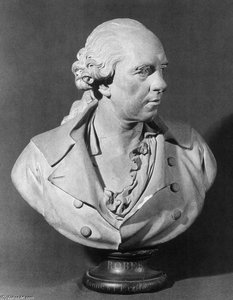
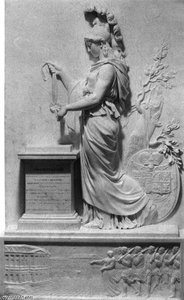
Augustin Pajou’s artistic output spanned a remarkable breadth of projects, cementing his reputation as one of the foremost sculptors of his time. Among his most celebrated works are monumental sculptures like “Neptune Calming the Waves,” commissioned for Lyon’s Musée des Beaux-Arts, and busts of luminaries such as Voltaire, Rousseau, and Madame du Barry—each embodying exceptional artistic skill and capturing the spirit of Enlightenment thought. Furthermore, he played a crucial role in decorating Versailles' opera house, collaborating with Jean-Baptiste Raspail to create opulent interiors that reflected royal grandeur. His contribution to the monumental sculpture "The Princesse de Hesse-Homburg as Minerva" remains an enduring testament to his artistic prowess and stylistic innovation.- Versailles Opera House Decoration: Pajou’s involvement in Versailles' opera house project solidified his position as a leading artist of the era, demonstrating his ability to elevate architectural spaces through sculptural embellishments.
- Influence on Subsequent Artists: Pajou’s stylistic influence extended beyond his own lifetime, inspiring generations of sculptors who embraced Neoclassical ideals and sought to emulate his meticulous craftsmanship and expressive artistry.
Recognition & Collections
Today, Augustin Pajou's sculptures reside in prestigious collections worldwide—including the Louvre Museum, Musée des Beaux-Arts Lyon, Metropolitan Museum of Art (New York), Tate Britain, and numerous other institutions across Europe and America. His enduring legacy testifies to his unparalleled artistic achievement and ensures that his masterpieces continue to captivate audiences with their elegance, grace, and profound understanding of classical art principles. He is remembered as a sculptor who elevated Neoclassicism to new heights, securing his place among the giants of French sculpture history.
Augustin Pajou
1766 - 1828 , France
Quick Facts
- Artistic Movement Or Style: Neoclassical
- Artists Or Movements Influenced By This Artist: ['Classical Art']
- Artists Who Influenced This Artist: ['Jean-Baptiste Lemoyne']
- Date Of Birth: Paris, France (1766)
- Date Of Death: Paris, France (1809)
- Full Name: Augustin Pajou
- Nationality: French
- Notable Artworks:
- Bust of Madame du Barry
- Psyche Abandoned
- The Princess of Hesse-Homburg as Minerva
- Place Of Birth: Paris
Related Articles

Bronze Sculptures That Defined Art History | OriginalUniqueArt
Journey through art history with our Top 10 bronze sculptures! Explore masterpieces by Rodin, Michelangelo & more. Discover stories behind iconic statues and find museum-quality reproductions for your home decor at OriginalUniqueArt.com.

The Enduring Form: Exploring Themes & Techniques in Sculpture Across Historical Periods
Explore the rich history of sculpture from ancient masterpieces to contemporary innovations. Discover key techniques, influential artists & investment potential for discerning art collectors.
The Enduring Form: Sculpture Across History, Technique & Emotional Resonance
Explore the rich history of sculpture with OriginalUniqueArt. Discover key techniques, influential artists & investment potential for discerning collectors. Expert insights into valuing and collecting timeless masterpieces.

Bronze Age to Modern Masters: 10 Sculptures That Redefined Art | OriginalUniqueArt
Journey through art history with 10 legendary bronze sculptures – from Michelangelo's David to Rodin’s Thinker. Explore the stories, techniques & timeless beauty of these masterpieces. Find museum-quality reproductions & elevate your home decor on OriginalUniqueArt.com.
Antonio Canova: Neoclassical Sculpture & the Pursuit of Emotional Perfection
Explore the life & art of Antonio Canova, the greatest Neoclassical sculptor. Discover his masterpieces, innovative techniques, and lasting influence on fine art collecting. Expert insights for discerning investors.