Preview
 Send
Send Share
Share
 Details
 Guide
Guide

 Download
 Similars
 X-Ray
X-Ray Diaporama
 Q&A
Q&A Stats
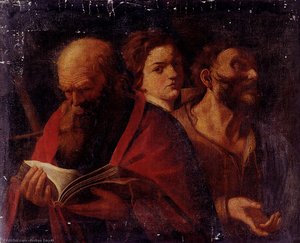
StatsSt Francis Marrying Poverty


 Read More
Giclée / Art Print
Museum-quality giclée or canvas print with fast production and flexible finish options. ( Buy Hand Made Painting Switch to Digital Image)




P118B $10

P118H $10

P118W $10

P438Z $10

P508JH $12

P508YH $12

P805H $10

P805Z $10

P919BZ $10

P919G $10

P919XJ $10

P959ZH $10

P968JZ $12

W106C $8

W218G $10

W218JH $8

W218Y $10

W307PJ $10

W316G $10

W316PJ $8

W316Y $10

W398PJ $8

W4111J $10

W500HY $15

W500JH $15

W692G $12

W849H $8

W940BG $15

W953PJ $8




Pick from our preset sizes that match the artwork's original proportions.

Type the width and the height you need, to fit your frame or your wall. A print can only be cut, never made bigger than the picture, so a size with a different shape loses a part of the image. We send you a digital mockup to approve before we print anything. The picture shown on this page does not show the real cut — only the mockup does.
Worldwide Delivery () in 2 weeks instead of standard 4/5 weeks. (5 November)

Free Worldwide Express Shipping

High-Quality Linen Canvas

Full Shipping Insurance

Customs Tax Refund Guarantee

True Color Matching Guarantee

100-Day Return Policy (Defects Only)

100% Money-Back Guarantee

Bulk Discount Offer
 Glass option is only available in size under 110 CM

St Francis Marrying Poverty
Giclée / Art Print
Reproduction Size
-


Total Price
$ 81
A Sacred Union of Devotion and Simplicity
In the quiet, profound stillness of Andrea Sacchi’s 1633 masterpiece, St Francis Marrying Poverty, we are invited into a moment of transcendent spiritual intimacy. This evocative work, housed within the prestigious Galleria Nazionale d'Arte Antica in Rome, captures the very essence of the Franciscan vow. The scene unfolds with a delicate balance of human emotion and divine purpose, as St Francis of Assisi kneels in humble supplication before the personification of Lady Poverty. There is a palpable sense of weightlessness in the spiritual atmosphere, yet the figures themselves possess a grounded, sculptural presence that commands the viewer's attention. Through Sacchi’s lens, the act of renouncing worldly wealth is not depicted as a loss, but as a profound and beautiful union.
The composition is a masterclass in the Baroque style, specifically reflecting the classical restraint that defined Sacchi’s unique contribution to the Roman school. Unlike the more frenetic and explosive compositions of his contemporaries, Sacchi employs a controlled use of light and shadow—a technique known as chiaroscuro—to sculpt the figures against a serene, pastoral backdrop. The soft, diffused light illuminates Lady Poverty’s face, revealing a countenance of serene grace, while the deep, earthy tones of St Francis’s Franciscan habit anchor the composition in a sense of rugged reality. This interplay between the ethereal and the terrestrial creates a three-dimensional depth that draws the eye inward, making the viewer feel less like an observer and more like a witness to this sacred covenant.
Symbolism and the Art of Classical Restraint
Every element within this painting serves a higher symbolic purpose, designed to guide the soul toward contemplation. Lady Poverty is not depicted as a figure of destitution or misery; rather, she stands with an upright, dignified posture, her simple attire and calm expression suggesting that true wealth lies in spiritual purity. St Francis, positioned on the right, embodies the ultimate gesture of humility. His raised hands and kneeling stance represent a total surrender of the ego, a central tenet of his life’s mission. The landscape behind them—a gentle arrangement of trees and rolling hills under an expansive blue sky—acts as a metaphor for the natural world that St Francis so deeply revered, providing a sense of infinite peace that mirrors the internal state of the saints.
For the discerning collector or interior designer, this painting offers more than mere decoration; it provides a focal point of profound narrative depth. The subtle use of color—the warm browns, the soft sky blues, and the naturalistic greens—allows the piece to integrate seamlessly into sophisticated environments, whether in a classical study or a contemporary gallery-style living space. A high-quality reproduction of this work brings with it the historical weight of the 17th century, offering an atmosphere of timelessness and intellectual rigor. It is a piece that invites conversation, prompting reflections on the values of simplicity, devotion, and the enduring beauty of the human spirit amidst the complexities of the modern world.
Questions & Answers
Is a download available for "St Francis Marrying Poverty"?
A download is available for "St Francis Marrying Poverty": the artwork's Download page offers a high-resolution digital image download.
Can I examine "St Francis Marrying Poverty" in more detail?
The X-Ray view of "St Francis Marrying Poverty" by Andrea Sacchi is on the artwork's X-Ray page: an interactive examination of the image through eleven optical layers.
How do medium and movement combine in "St Francis Marrying Poverty"?
"St Francis Marrying Poverty" is made in oil, in the Baroque Classicism style.
Artist Biography
A Life Rooted in Roman Baroque Classicism
Andrea Sacchi, born in Nettuno near Rome in 1599 and passing in 1661, stands as a compelling figure within the dynamic landscape of High Baroque painting. Though often overshadowed by contemporaries like Pietro da Cortona, Sacchi carved a distinct path, championing a Classical restraint that set him apart amidst the exuberance of his era. His artistic journey was one deeply intertwined with the intellectual and aesthetic debates swirling around Rome in the 17th century, positioning him as a key player in the ongoing dialogue between the “classical” and “baroque” sensibilities. Sacchi’s beginnings were humble; his father, Benedetto, was a painter of modest skill, yet recognized his son's burgeoning talent and sought proper training for him. This led to an initial apprenticeship with Cavalier d'Arpino, followed by a pivotal period under the tutelage of Francesco Albani – Albani’s last major pupil, where Sacchi absorbed techniques and stylistic foundations that would define his mature work. This early grounding proved crucial in shaping his preference for clarity, balance, and a refined sense of form.Navigating Influences and Defining a Style
Sacchi's artistic development wasn’t confined to the Roman workshops; he actively sought inspiration from masters beyond his immediate surroundings. A profound admiration for Raphael permeated his work, particularly evident in his compositions—a deliberate limitation of figures coupled with an emphasis on expressive faces. He believed that fewer, carefully rendered figures allowed for a greater clarity of narrative and emotional impact. Further enriching his artistic vocabulary were journeys to Venice and Parma, where he immersed himself in the art of Correggio. The Venetian colorism and Correggio’s graceful forms subtly infused Sacchi's palette and compositions. However, operating within the broader Baroque context meant navigating a stylistic tension with artists like Pietro da Cortona, whose preference for large-scale, densely populated canvases stood in stark contrast to Sacchi’s more restrained approach. This difference wasn’t merely aesthetic; it ignited a significant artistic debate that would come to define Sacchi's legacy.The "Classical" vs. "Baroque" Controversy
Sacchi became a central figure in the heated discussions at the Accademia di San Luca concerning the merits of different painting styles. He vehemently criticized Cortona’s exuberant compositions, arguing that they lacked focus and clarity, resembling “wallpaper art” rather than meaningful narrative. Sacchi advocated for simplicity, believing paintings should feature only a select number of figures, each possessing unique expression and movement to avoid visual clutter. This perspective resonated with sculptors like Alessandro Algardi and painters such as Nicolas Poussin, who became staunch supporters of his viewpoint. The debate wasn’t simply about aesthetics; it reflected broader philosophical differences regarding the purpose of art – whether to overwhelm the senses or to engage the intellect through carefully considered composition and emotional depth. Sacchi's position championed a return to Classical ideals of order and harmony within the Baroque framework, seeking a balance between dynamism and restraint.Patronage, Masterpieces, and Lasting Influence
A significant portion of Sacchi’s early career flourished under the patronage of Cardinal Antonio Barberini, who commissioned works for both the Capuchin church in Rome and the Palazzo Barberini. This support allowed him to develop his style and undertake ambitious projects. Two major altarpieces reside within the Pinacoteca Vaticana, showcasing his mastery of composition and narrative skill. However, it is the fresco adorning the Palazzo Barberini – *Divine Wisdom* (1629–33) – that is widely considered his masterpiece. Inspired by Raphael’s *Parnassus* in the Vatican Palace, this work transcends mere decoration; it incorporates intricate astrological symbolism related to Urban VIII's reign, reflecting a complex interplay of religious, political, and cosmological themes. Although Sacchi left behind a relatively small body of work compared to some of his contemporaries, he maintained a flourishing school. His most prominent pupil, Carlo Maratta, carried on the “grand manner” style, profoundly influencing Roman artistic circles for decades. Other artists who absorbed elements of Sacchi’s aesthetic include Francesco Fiorelli, Luigi Garzi, Francesco Lauri, Andrea Camassei, and Giacinto Gimignani. His emphasis on clarity, balance, and restrained emotion left an indelible mark on Italian art, ensuring his place as a significant figure in the evolution of Baroque Classicism. Sacchi’s legacy lies not only in his paintings but also in his unwavering commitment to artistic principles that prioritized intellectual engagement and emotional resonance.
Andrea Sacchi
1599 - 1661 , Italy
Quick Facts
- Artistic Movement Or Style: High Baroque Classicism
- Artists Or Movements Influenced By This Artist:
- Carlo Maratta
- Francesco Fiorelli
- Artists Who Influenced This Artist:
- Raphael
- Correggio
- Date Of Birth: 1599
- Date Of Death: 1661
- Full Name: Andrea Sacchi
- Nationality: Italian
- Notable Artworks:
- Divine Wisdom
- A bearded man warming hands
- Three Aged of Man
- Crowned by Apollo
- Place Of Birth: Nettuno, Italy
Related Articles

Baroque Classicism: The Grandeur of Order and Drama in 17th-Century Art History
Explore the profound elegance of Baroque Classicism. Discover how 17th-century masters synthesized dramatic emotion with classical order through the lens of the Counter-Reformation and the works of legends like Carlo Maratta and Andrea Sacchi.

Baroque Drama: Bringing Opulence & Emotion into Contemporary Interiors
Explore the opulent world of Baroque interior design! Discover key elements, modern applications & how to bring dramatic elegance into your home with OriginalUniqueArt.com's authentic reproductions.

Mastering the Divine: The Top 25 Most Iconic Artworks by El Greco
Explore 25 iconic El Greco masterpieces and his Mannerist genius. Discover the full collection online at OriginalUniqueArt.com.

The Raw Power of Fear: Top 25 Masterpieces by Francis Bacon
Explore 25 visceral Francis Bacon masterpieces. Discover the raw power of his distorted figures on OriginalUniqueArt.com.

The Dramatic Flourish: Exploring the Baroque Movement's Enduring Legacy in Art History
Explore the dramatic world of Baroque art! Discover iconic artists like Caravaggio & Rubens, defining techniques, and its lasting impact on art history. Expert insights for collectors & enthusiasts at OriginalUniqueArt.