
 Preview
 Send
Send Share
Share
 Details

 Download
 Similars
 X-Ray
X-Ray Diaporama
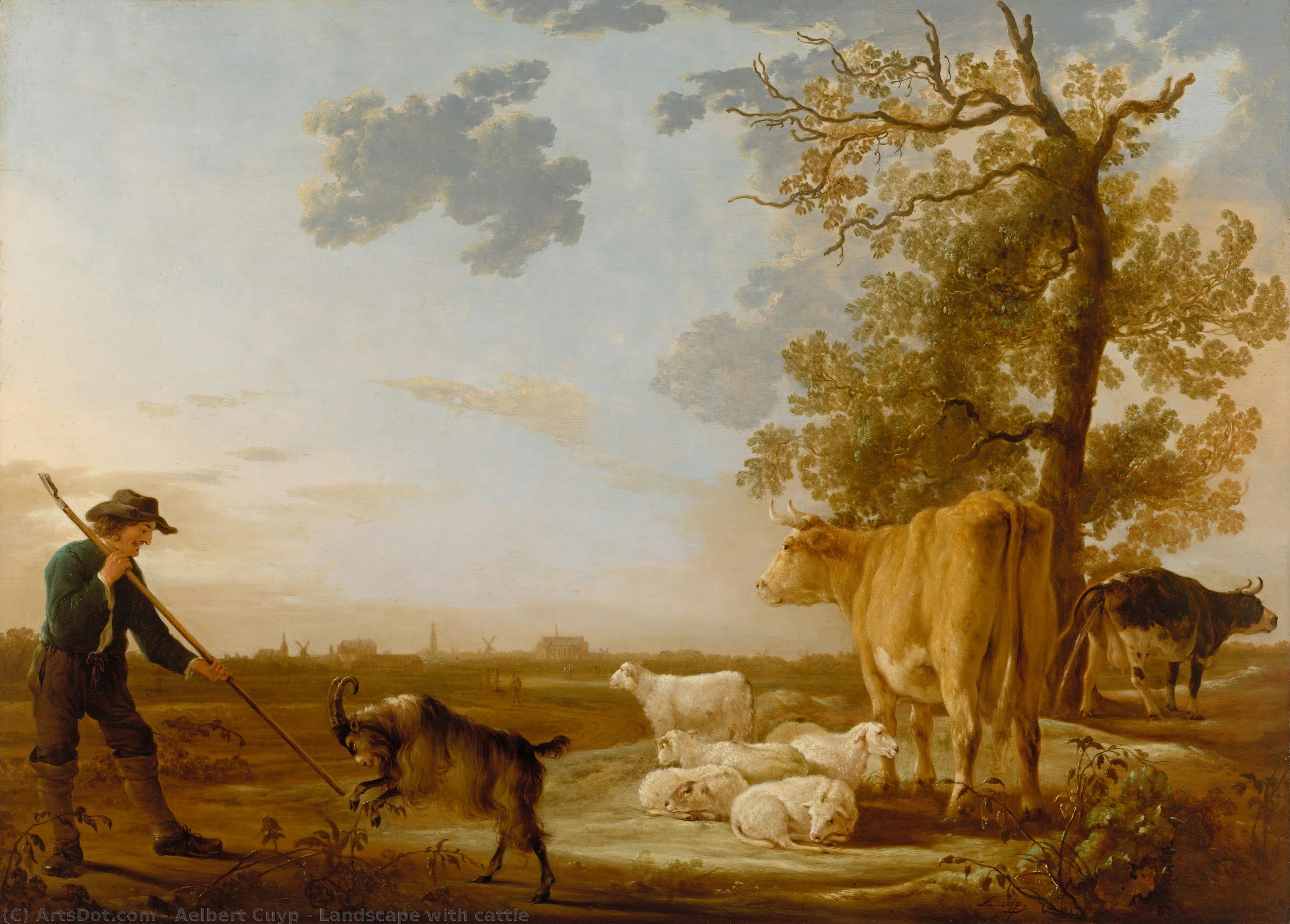
Landscape with cattle
 Acrylic On Canvas
- WallArt
 1649
1649 65.0 x 90.0 cm
 National Gallery of Victoria
 Read More
Hand Made Oil Reproduction
Hand-painted oil on canvas in your size and frame, made to order by our artists. ( Buy Print Buy Image)




P118B $10

P118H $10

P118W $10

P438Z $10

P508JH $12

P508YH $12

P805H $10

P805Z $10

P919BZ $10

P919G $10

P919XJ $10

P959ZH $10

P968JZ $12

W106C $8

W218G $10

W218JH $8

W218Y $10

W307PJ $10

W316G $10

W316PJ $8

W316Y $10

W398PJ $8

W4111J $10

W500HY $15

W500JH $15

W692G $12

W849H $8

W940BG $15

W953PJ $8




Pick from our preset sizes that match the artwork's original proportions.

You may enter your own dimensions to fit a specific frame or space. If your selected size does not match the original image's proportions, we will either crop the artwork or extend the painting with additional hand-painted elements. A digital mockup will be sent for your approval before production begins.
Please note that the on-screen preview does not reflect the actual cropping or extension. Only the mockup will accurately show the final composition.
While custom sizes are available, we recommend selecting a dimension from the predefined list to preserve the original proportions.
After order, OriginalUniqueArt.com team will email client for instructions and provide a mockup preview
Worldwide Delivery () in 3/4 weeks instead of standard 5 weeks. (29 August). No compromise on quality.

Free Worldwide Express Shipping

High-Quality Linen Canvas

Full Shipping Insurance

Customs Tax Refund Guarantee

True Color Matching Guarantee

60-Day Return Policy (Defects Only)

100% Money-Back Guarantee

Bulk Discount Offer
 Glass option is only available in size under 110 CM

Landscape with cattle
Reproduction Medium
Reproduction Size
-


Total Price
$ 300
Landscape with Cattle – A Vision of Tranquility from the Dutch Golden Age
Aelbert Jacobsz Cuyp (1620–1695) stands as one of the titans of Dutch landscape painting, a figure inextricably linked to the zenith of artistic achievement during the Golden Age. His oeuvre is characterized by an unparalleled sensitivity to atmospheric conditions—particularly dawn and dusk—resulting in canvases bathed in ethereal golden light that continue to captivate audiences centuries later. More than mere depictions of scenery; Cuyp’s paintings embody a profound philosophical contemplation on nature's beauty and its harmonious relationship with human existence, reflecting the intellectual currents of his time.The Painter’s Influences: A Dialogue Between Tradition and Innovation
Cuyp’s artistic journey began under the tutelage of his father, Jacob Gerritsz Cuyp, a portraitist who instilled in him a foundational understanding of form and composition. However, Cuyp's stylistic development wasn’t solely rooted in familial tradition. He absorbed considerable influence from Jan van Goyen—renowned for his masterful tonal harmonies—and Jan Both—whose luminous interiors infused his landscapes with an otherworldly glow. This tripartite confluence of artistic sensibilities resulted in Cuyp’s distinctive visual language: a deliberate prioritization of light and shadow, mirroring the contemplative spirit of Renaissance painters like Claude Lorrain.A Scene Steeped in Symbolism – Leiden's Pastoral Embrace
The subject matter of “Landscape with Cattle” is deceptively simple—a pastoral tableau featuring cattle grazing peacefully alongside sheep against a backdrop of rolling hills and a distant townscape dominated by the Marekerk church. Yet, this seemingly tranquil vista carries significant symbolic weight. The prevalence of healthy livestock served as a tangible emblem of prosperity during the burgeoning Dutch dairy industry, mirroring the broader economic optimism that characterized the early seventeenth century. Furthermore, Cuyp’s masterful use of atmospheric perspective—evident in the subtle gradations of color and diminishing size of distant objects—creates an illusion of depth that transcends mere topographical accuracy. It invites contemplation on the grandeur of nature and its enduring power to inspire awe.Technique: Mastering Light and Color – An Oil Painter's Delicate Touch
Cuyp’s technique exemplifies the meticulous craftsmanship demanded by the Golden Age aesthetic. Executed in oil paint on canvas, his approach prioritized blending colors with painstaking care—a hallmark of Northern European painting at the time. Brushstrokes are generally smooth and diffused, contributing to an overall impression of realism while simultaneously conveying a sense of luminous beauty. The artist’s deliberate manipulation of tonal values—particularly the dominant golden hue—captures the fleeting effects of sunrise or sunset, transforming the landscape into a vessel for emotional resonance.Historical Context – Reflections of Calvinist Ideals
“Landscape with Cattle” was created in 1649, placing it squarely within the heart of Cuyp’s most productive period—a time coinciding precisely with the apex of Dutch artistic flourishing. The painting reflects the intellectual and spiritual convictions prevalent during the Reformation, notably the Calvinist emphasis on God's benevolent governance over creation. As Laurie Benson eloquently articulated in “Painting and sculpture before 1800,” this artwork functioned as a ‘portrait of property,’ symbolizing status and reflecting the values of its aristocratic clientele. Cuyp’s legacy endures not merely as an artist but as a conduit for conveying profound philosophical ideas—a testament to the enduring power of art to illuminate both beauty and spirituality.Artist Biography
early life and training
aelbert jacobszoon cuyp, a prominent dutch painter, was born in dordrecht, netherlands in 1620. he was the son of jacob gerritszoon cuyp, a portraitist, who served as his first teacher. this apprenticeship under his father's guidance laid the foundation for cuyp's future success.artistic style and influences
cuyp's style can be broadly categorized into three phases, each influenced by a different artist:- jan van goyen - tone
- jan both - light
- jacob gerritsz cuyp (his father) - form
notable works and legacy
though specific works by cuyp are not detailed here, his contributions to the dutch golden age are undeniable. his landscapes, characterized by their serene, idyllic portrayal of the netherlands' riversides, have become quintessential representations of the era. key points about aelbert jacobszoon cuyp's art:- known for large views of dutch riverside scenes in a golden light.
- inherited a considerable fortune, indicating his family's wealth.
- served as a deacon of the reformed church after his marriage in 1658.
- his home lacked paintings by other artists upon his death, suggesting a devout calvinist lifestyle.
explore more at OriginalUniqueArt.com
for a deeper dive into cuyp's works and the dutch golden age, visit:- aelbert jacobszoon cuyp's page on OriginalUniqueArt.com
- discover other artists from the dutch golden age, such as rembrandt van rijn, at OriginalUniqueArt's artists list
conclusion
aelbert jacobszoon cuyp, with his captivating landscapes, remains a pivotal figure in the dutch golden age. his life, though not extensively documented, speaks to the enduring impact of his art. delve into the world of 17th-century netherlands through OriginalUniqueArt.com's extensive collection, and experience the beauty of cuyp's works firsthand.- view the house of orange-nassau historic collection trust on OriginalUniqueArt for a broader context of dutch art history.
- learn more about the frans halsmuseum, dedicated to another prominent dutch painter, at OriginalUniqueArt's museum section.

aelbert jacobszoon cuyp
1620 - 1695 , Netherlands
Quick Facts
- Artistic Movement Or Style: Dutch Baroque
- Artists Or Movements Influenced By This Artist: ['Rembrandt van Riijn']
- Artists Who Influenced This Artist:
- Jan van Goeyen
- Jacob Gerritsz Cuyp
- Date Of Birth: October 20, 1620
- Date Of Death: November 15, 1695
- Full Name: Aelbert Jacobszoon Cuyp
- Nationality: Dutch
- Notable Artworks:
- Cows in a River
- A Herdsman with Five Cows
- Place Of Birth: Dordrecht, Netherlands
Related Articles

Rembrandt's Masterpieces: Explore 25 Iconic Paintings & Prints | OriginalUniqueArt
Journey through Rembrandt van Rijn's 25 most iconic paintings & etchings. Explore Dutch Golden Age masterpieces, dramatic chiaroscuro, and timeless portraits. Find museum-quality art reproductions to elevate your home decor on OriginalUniqueArt.com.

Golden Light & Dutch Skies: The Timeless Magic of Dutch Golden Age Landscapes
Discover the breathtaking beauty of Dutch Golden Age landscapes. Explore the mastery of light, chiaroscuro, and 17th-century realism through an expert art history lens, celebrating the enduring legacy of the Dutch Masters for discerning collectors and art lovers.
Aelbert Cuyp: Illuminating the Dutch Golden Age with Light & Landscape
Explore the luminous landscapes of Aelbert Cuyp, a master of the Dutch Golden Age. Discover his unique light, serene riverside scenes & lasting influence on art history. Learn more at OriginalUniqueArt.
Nicolaes Berchem: Dutch Golden Age Pastoralism & the Evolution of Landscape Painting
Explore the captivating world of Nicolaes Berchem, a leading Dutch Golden Age painter. Discover his idyllic landscapes, masterful technique & lasting influence on art history. Learn more at OriginalUniqueArt.

Dutch Masters: 10 Golden Age Paintings That Still Inspire |
Journey into the Dutch Golden Age! Explore 10 iconic paintings by Rembrandt, Vermeer & Hals. Discover the stories behind these Baroque masterpieces and find museum-quality art reproductions to elevate your home decor on .



