Preview
 Send
Send Share
Share
 Details
 Guide
Guide

 Download
 Similars
 X-Ray
X-Ray Diaporama
 Stats
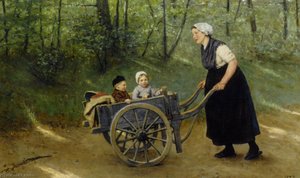
StatsLulled to Sleep
 Acrylic On Canvas
- WallArt
- Hague School
 1871
1871 56.0 x 39.0 cm
 Rijksmuseum
 Read More
Hand Made Oil Reproduction
Hand-painted oil on canvas in your size and frame, made to order by our artists. ( Switch to Print Switch to Digital Image)




P118B $10

P118H $10

P118W $10

P438Z $10

P508JH $12

P508YH $12

P805H $10

P805Z $10

P919BZ $10

P919G $10

P919XJ $10

P959ZH $10

P968JZ $12

W106C $8

W218G $10

W218JH $8

W218Y $10

W307PJ $10

W316G $10

W316PJ $8

W316Y $10

W398PJ $8

W4111J $10

W500HY $15

W500JH $15

W692G $12

W849H $8

W940BG $15

W953PJ $8




Pick from our preset sizes that match the artwork's original proportions.

Type the width and the height you need, to fit your frame or your wall. This is hand-painted, so for a size with a different shape the artist can paint a bit more around the picture, or cut a bit — you choose. We send you a digital mockup to approve before the painting starts. The picture shown on this page does not show the real result — only the mockup does.
After order, OriginalUniqueArt.com team will email client for instructions and provide a mockup preview
Worldwide Delivery () in 3/4 weeks instead of standard 5 weeks. (26 October). No compromise on quality.

Free Worldwide Express Shipping

High-Quality Linen Canvas

Full Shipping Insurance

Customs Tax Refund Guarantee

True Color Matching Guarantee

100-Day Return Policy (Defects Only)

100% Money-Back Guarantee

Bulk Discount Offer
 Glass option is only available in size under 110 CM

Lulled to Sleep
Reproduction Medium
Reproduction Size
-


Total Price
$ 300
A Gentle Soul Captured in Light and Color: Exploring the Artistry of Adolph Artz
Adolph Artz (1837-1890), a Dutch painter hailing from The Hague, remains an artist whose serene depictions of family life and tranquil landscapes continue to resonate with collectors and art enthusiasts alike. While his output wasn’t voluminous compared to some contemporaries of the Hague School—a movement he helped establish—Artz's distinctive style cemented his place as a significant contributor to Victorian artistic sensibilities. He possessed a remarkable ability to convey emotion through subtle brushstrokes, capturing fleeting moments of tenderness and domestic harmony with an unparalleled sensitivity. Early Life & Education: Born into a family steeped in artistic tradition, Artz received formative training from his father, Constant Artz, who himself was a respected portrait painter. This familial influence undoubtedly instilled within him an appreciation for meticulous observation and skillful rendering of human emotion—qualities that would become hallmarks of his oeuvre. He diligently honed his craft, absorbing the lessons of his mentor and developing a profound understanding of artistic principles. The Hague School & Artistic Vision: Artz joined the burgeoning Hague School around 1860, aligning himself with a group of artists who championed realism and Impressionistic influences. This collaboration fostered an environment where experimentation was encouraged, pushing boundaries while maintaining a steadfast commitment to portraying everyday life with honesty and beauty. Unlike many of his peers who sought grand narratives or dramatic compositions, Artz focused on capturing the quiet dignity of ordinary subjects—often families—presenting them bathed in soft, diffused light characteristic of the Hague School’s aesthetic. “Lulled to Sleep”: A Study in Maternal Comfort: The painting itself, titled “Lulled to Sleep,” exemplifies Artz's signature style perfectly. It depicts a woman cradling her infant daughter on a chair, creating an intimate tableau that speaks volumes about maternal love and devotion. The composition is carefully balanced, emphasizing the central figures while subtly incorporating supporting elements—a dining table adorned with a bowl and cup—to establish a domestic setting. Artz skillfully employed oil paints on canvas, utilizing layering techniques to achieve remarkable tonal gradations and capturing the delicate textures of fabric and skin. Light plays a crucial role in shaping the mood, illuminating the woman’s face and highlighting the warmth emanating from her embrace. Technique & Symbolism: Artz's meticulous brushwork—characterized by short, broken strokes—allowed him to build up color gradually, creating an illusion of depth and luminosity that is remarkably convincing. The muted palette—dominated by earthy tones—reflects the prevailing artistic sensibilities of the Victorian era, prioritizing naturalistic representation over flamboyant ornamentation. Beyond its visual beauty, “Lulled to Sleep” carries symbolic weight. The pose of the mother conveys a sense of serenity and protection, symbolizing the nurturing role women played in Victorian society. The inclusion of domestic objects reinforces the theme of home and family life—values deeply cherished during that period. Emotional Impact & Legacy: Viewing “Lulled to Sleep” evokes feelings of warmth, tenderness, and nostalgia. Artz’s masterful depiction captures a moment of profound connection between mother and child—a scene universally recognized as embodying the purest form of familial affection. His work continues to inspire artists and collectors alike, demonstrating the enduring power of art to communicate emotion and celebrate human relationships. Adolph Artz's legacy resides not merely in his artistic achievements but also in his unwavering dedication to portraying the beauty and dignity of everyday life—a testament to his profound understanding of the human spirit.Questions & Answers
Where can I buy a print of "Lulled to Sleep" by Adolph Artz (David Adolf Constant Artz)?
To get a print of "Lulled to Sleep" by Adolph Artz (David Adolf Constant Artz), simply order it on its Fine Art Print page: a fine art print on cotton canvas or archival canvas paper.
Where can I find a guide to "Lulled to Sleep"?
The Guide page of "Lulled to Sleep" by Adolph Artz (David Adolf Constant Artz) offers a printable two-sheet factsheet: the artwork with its identity table, a decade band placing it in the artist's lifetime, other works by the artist, the measured color palette, and ready-to-copy citations in four styles.
How many people view "Lulled to Sleep"?
The Stats page of "Lulled to Sleep" by Adolph Artz (David Adolf Constant Artz) presents public visit statistics: monthly visits of this artwork, a comparison with the artist's most viewed works, and where its visitors come from.
Artist Biography
A Gentle Soul Captured in Light and Color: Exploring the Artistry of Adolph Artz
Adolph Artz (1837-1890), a Dutch painter hailing from The Hague, remains an artist whose serene depictions of family life and tranquil landscapes continue to resonate with collectors and art enthusiasts alike. While his output wasn’t voluminous compared to some contemporaries of the Hague School—a movement he helped establish—Artz's distinctive style cemented his place as a significant contributor to Victorian artistic sensibilities.- Early Life & Education: Born into a family steeped in artistic tradition, Artz received formative training from his father, Constant Artz, who himself was a respected portrait painter. This familial influence undoubtedly instilled within him an appreciation for meticulous observation and skillful rendering of human emotion—qualities that would become hallmarks of his oeuvre.
- The Hague School & Artistic Vision: Artz joined the burgeoning Hague School around 1860, aligning himself with luminaries like Isaac Israelson and Anton Mauve. The school’s ethos centered on capturing fleeting moments of everyday life—particularly domestic scenes—with a palpable sense of atmosphere and realism. Unlike some of his peers who favored dramatic narratives or idealized representations, Artz consistently prioritized conveying tenderness and warmth through his canvases.
- Notable Works: Artz's artistic legacy rests primarily on his captivating portrayals of familial affection and idyllic natural landscapes. Pieces like “Ducks,” featuring a mother gently guiding her children amidst waterfowl, exemplify his ability to distill complex emotions into deceptively simple compositions. Similarly, "Lulled to Sleep," depicting a sleeping infant nestled in the arms of its caregiver, embodies the quiet beauty of maternal tenderness.
- Landscapes & Impressionistic Influence: Beyond portraits, Artz produced evocative landscapes that demonstrate his engagement with Impressionist principles. “A Walk in the Dunes,” for instance, captures the ethereal quality of twilight over sandy shores—a testament to his sensitivity to atmospheric conditions and his desire to convey a sense of serenity.
Legacy & Historical Significance
Adolph Artz’s contribution to the Hague School transcends mere stylistic imitation. He championed a humanist aesthetic that prioritized capturing genuine human experience—a refreshing counterpoint to the prevailing artistic trends of his time. His paintings continue to inspire admiration for their understated elegance and profound emotional depth, securing his place as an artist who successfully translated the spirit of Victorian domestic life onto canvas. Today, reproductions of Artz’s works offer viewers a glimpse into a bygone era—a reminder that beauty can be found in the simplest of gestures and landscapes.
Adolph Artz (David Adolf Constant Artz)
1837 - 1890 , Netherlands
Quick Facts
- Full Name: David Adolph Constant Artz
- Nationality: Dutch
- Date Of Birth: 1837
- Date Of Death: 1890
- Place Of Birth: The Hague, Netherlands
- Notable Artworks:
- Lulled to Sleep
- Ducks
- A walk in the dunes
- Artistic Movement Or Style: Hague School
Related Articles

Golden Light & Dutch Skies: The Timeless Magic of Dutch Golden Age Landscapes
Discover the breathtaking beauty of Dutch Golden Age landscapes. Explore the mastery of light, chiaroscuro, and 17th-century realism through an expert art history lens, celebrating the enduring legacy of the Dutch Masters for discerning collectors and art lovers.
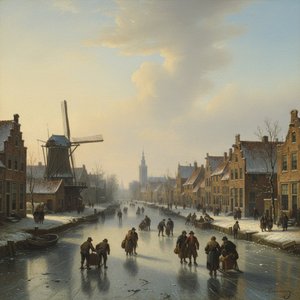
Charles Leickert: Capturing the Dutch Golden Age Light – A Comprehensive Study of Technique, Context, and Legacy
Explore the captivating winter landscapes of Charles Leickert, a master of Dutch Golden Age light & atmosphere. Discover his techniques, symbolism, and lasting legacy – a comprehensive study for art enthusiasts and collectors.
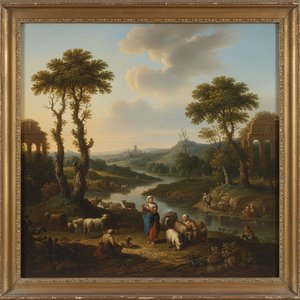
Nicolaes Berchem: Dutch Golden Age Pastoralism & the Evolution of Landscape Painting
Explore the captivating world of Nicolaes Berchem, a leading Dutch Golden Age painter. Discover his idyllic landscapes, masterful technique & lasting influence on art history. Learn more at OriginalUniqueArt.

Jan van Goyen: Master of Dutch Landscape & Atmospheric Perspective
Discover Jan van Goyen, the master of Dutch landscape painting. Explore his subtle technique, atmospheric realism & lasting influence on art history. Learn about this 17th-century pioneer at OriginalUniqueArt.
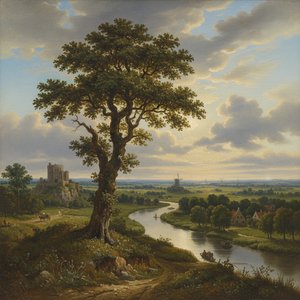
Jacob van Ruisdael: Master of Dutch Landscape & the Evocation of National Identity
Explore the life & work of Jacob van Ruisdael, the preeminent Dutch landscape painter. Discover his technical brilliance, symbolic depth, and lasting influence on art history. Learn about collecting Ruisdael's masterpieces.