Ukiyo-e, one artist at a time

39 Famous Ukiyo-e Καλλιτέχνες Who Shaped the Movement

Κατσουσίκα Χοκουσάι (1760–1849) is the most famous Ukiyo-e καλλιτέχνης, whose singular vision gave us Πύτζι Όρη Στον Καθαρό Καιρός (Κόκκινη Πύτζι) και Η Μεγάλη Πλάγια Κύμα του Κατσουσικά Χοκουσάι. Next stand Χιροσίτζε, Ουταμάρο, Γιοσιτόσι και Torii Kiyonaga. These 39 καλλιτέχνες, from Χισικάουα Μορονόμπου (born 1618) to Goyō Hashiguchi (born 1880), came from 2 countries.

Our selection. Artists whose works our catalogue attaches to Ukiyo-e, in the order of our fame ranking. Artists born after 1955 with no Wikidata identifier stay out until verified. The Wikipedia figure counts our 32 languages with an article on the artist.

  1. Πύτζι Όρη Στον Καθαρό Καιρός (Κόκκινη Πύτζι) του Κατσουσίκα Χοκουσάι1Κατσουσίκα Χοκουσάι
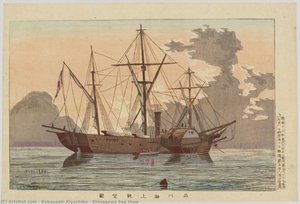
  2. Shinagawa Sunrise from the series Fifty-three Stations on the Tokaido Road του Χιροσίτζε2Χιροσίτζε
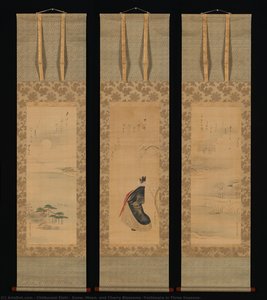
  3. Courtesan or Kneeling Lady with Fan from the series Seasonal Poems Composed by Famous Women του Ουταμάρο3Ουταμάρο

In brief

Ukiyo-e in brief

  • 39Καλλιτέχνες
  • 1618–1880Έτη γέννησης
  • 2Χώρες γέννησης
  • 0Γυναίκες
  • 1Ζωντανοί καλλιτέχνες
  • 5.896Έργα στον κατάλογό μας
Πόλεις με τον μεγαλύτερο αριθμό γεννήσεων
Έντο (6), Tokyo (6), Τόκιο (5), Edo (2)
Μουσεία που διαθέτουν τα περισσότερα σημαντικά έργα
Bujalance Collection (11), Keio University Library (10), Μετροπολιτικό Μουσείο Τέχνης (9), Minneapolis Institute of Art (5)

One artist at a time

39 Ukiyo-e Καλλιτέχνες and their signature works

1of 39

Κατσουσίκα Χοκουσάι

Ιάπωνος Born in Τόκιο Ukiyo-e Wikipedia in 32/32 languages

Κατσουσίκα Χοκουσάι

By the age of six, the boy is already sketching, driven by a hunger that his father, Nakajima Ise, recognizes but cannot fully direct. By twelve, he enters the studio of Katsukawa Shunshō, learning the demanding precision of ukiyo-e woodblock printing. Around 1831, the series Thirty-six Views of Mount Fuji emerges, fundamentally altering the scope of Japanese printmaking.

Signature works · The 100 signature works

3of 39

Ουταμάρο

Ιαπωνικός Born in Καβατζόε *Ukiyo-e* Wikipedia in 27/32 languages

Ουταμάρο

Kiyonaga: Ο Ουταμάρο επηρεάστηκε από τον Torii Kiyonaga, έναν κορυφαίο портρετίστα των ωραίων γυναικών τη δεκαετία του 1780, υιοθετώντας και τελειοποιώντας την κομψή αισθητική που είχε εγκαταστήσει ο Kiyonaga.

Signature works · The 100 signature works

4of 39

Γιοσιτόσι

Ιαπωνός Born in Έντο Ukiyo-e Wikipedia in 15/32 languages

Γιοσιτόσι

Signature works · The 100 signature works

7of 39

Σουζούκι Χαρούνομπου

Japanese Born in Έντο Ukiyo-e Wikipedia in 21/32 languages

Σουζούκι Χαρούνομπου

He moved the medium away from limited two- or three-color palettes toward full-color production. Beyond color, Harunobu used embossing techniques to raise specific areas of the image, adding a physical dimension to the paper. This influence is clearly visible in the landscapes of Hokusai and Hiroshige, artists whose work gained massive popularity during the japonisme trend.

Where to see Harunobu’s physical output remains scattered across several major institutions, making his specific contributions to the ukiyo-e genre a matter of international study.

Signature works · The 100 signature works

8of 39

Χισικάουα Μορονόμπου

Ιαπωνός Born in Χότα Ukiyo-e Wikipedia in 20/32 languages

Χισικάουα Μορονόμπου

Samurai tales, though romanticized, offered a glimpse into the warrior ethos that still held sway in Japanese culture. His technique was characterized by bold outlines, flat areas of color, and meticulous attention to detail. Later masters such as Hokusai and Hiroshige built upon the foundations laid by Moronobu, pushing the boundaries of the genre in new directions.

Signature works · The 100 signature works

9of 39

Κουνισάντα

Japanese Born in Έντο Ukiyo-e Wikipedia in 17/32 languages

Κουνισάντα

Bijin-ga: Οι εξαιρετικές του απεικονίσεις όμορφων γυναικών, όπου χρησιμοποίησε ροющие γραμμές και περίπλοκα μοτίβα για να αποδώσει κομψότητα και χάρη.

Pupil of Utagawa Toyokuni I #13

Signature works · The 100 signature works

10of 39

Τσόμπουνσάι Είσι

Ιαπωνός Born in Τόκιο Ukiyo-e, Bijin-ga Wikipedia in 11/32 languages

Τσόμπουνσάι Είσι

His grandfather, Hosoda Tokitoshi, had served as Treasury Minister to the shogunate, providing his family with a secure position within the imperial system. The influence of this training is evident in Eishi's initial works, which shared some stylistic similarities with the Kanō tradition. He was granted the honorary title Jibukyō (治部卿), recognizing his exceptional talent and contributions to the arts.

Signature works · The 100 signature works

11of 39

Kawanabe Kyōsai

Japanese Born in Koga Ukiyo-e, Caricature, Manga pioneer Wikipedia in 10/32 languages

Kawanabe Kyōsai

In 1874, he helped create what is considered the first manga magazine, Eshinbun Nipponchi, alongside Kanagaki Robun.

Signature works · The 100 signature works

12of 39

Keisai Eisen

Japanese Born in Edo Bunsei Era Ukiyo-e Wikipedia in 15/32 languages

Keisai Eisen

This shift defined the aesthetic of the Bunsei era (1818–1830), a period often characterized by its decadent and psychologically complex atmosphere.

Signature works · The 100 signature works

13of 39

Utagawa Toyokuni I

Japanese Born in Shiba Ukiyo-e Wikipedia in 13/32 languages

Utagawa Toyokuni I

He didn’t seek to revolutionize ukiyo-e overnight; instead, he embarked on a period of intense study, focusing intently on the works of masters like Utamaro, Chōbunsai Eishi, and Eishōsai Chōki. He wasn't simply copying their styles but rather dissecting them, understanding their strengths, and ultimately synthesizing them into something uniquely his own. While Sharaku is often lauded by modern art historians for his psychological insight, it was Toyokuni who captured the hearts of the Edo public.

Teacher of Utagawa Toyokuni II #35

Signature works · The 100 signature works

14of 39

Χιροσίγκε Ι, Οταγκάβα & Κιέμον, Τσουруя

Japanese Born in Τόκιο Ukiyo-e

Χιροσίγκε Ι, Οταγκάβα & Κιέμον, Τσουруя

Signature works · The 100 signature works

15of 39

国政歌川

Ιαπωνική Born in Αϊζούοκαμτσού Σχολή Οτάγκουβα

国政歌川

Signature works · The 100 signature works

16of 39

Nishikawa Sukenobu

Japanese Born in Kyoto Ukiyo-e Wikipedia in 9/32 languages

Nishikawa Sukenobu

These works demonstrate his versatility as an artist and underscore his commitment to exploring diverse artistic mediums—a testament to his intellectual curiosity and artistic ambition. Legacy & Recognition: Nishikawa Sukenobu’s enduring legacy resides in his contribution to Japanese art history, particularly his groundbreaking portrayal of women. Influence on Subsequent Artists: Sukenobu’s influence extended far beyond his own lifetime, inspiring subsequent generations of printmakers like Suzuki Harunobu and Kitao Shigemasa.

Signature works · The 100 signature works

17of 39

Sharaku

Japan ukiyo-e Wikipedia in 19/32 languages

Sharaku

Despite the mystery surrounding his true identity, his work has been recognized for its mastery of the medium. His reputation rests largely on his earlier prints, while his later output is often considered to have a declining artistry. Sharaku's technique involved the use of woodblock prints, sometimes employing extravagant methods such as the dusting of mica in the backgrounds to create a glittering effect.

Signature works · The 100 signature works

18of 39

Utashige

Japanese Ukiyo-e

Utashige

He often incorporated poetic verses – haiku – into his compositions, adding layers of meaning and inviting viewers to contemplate the deeper significance of the scenes depicted. Hiroshige’s prints are not simply images; they are windows into the soul of Japan. Hiroshige’s reputation solidified with his Fifty-three Stations of the Tōkaidō (1833–1834), a horizontal-format series depicting the journey along the main road connecting Edo to Kyoto.

Signature works · The 100 signature works

19of 39

Miyagawa Chōshun

Japanese Born in Miyagawa Ukiyo-e Wikipedia in 9/32 languages

Miyagawa Chōshun

The works of Chōshun are instantly recognizable for their evocative atmosphere and tender execution. His subjects—often the elegant courtesans of the pleasure districts—were depicted with a fuller, more voluptuous grace than the slender, stylized figures seen in the works of later artists like Harunobu. His pupils, including his son Miyagawa Isshō and the talented Miyagawa Chōki, carried forward his dedication to depicting the tastes and textures of urban life.

Signature works · The 100 signature works

20of 39

Goyō Hashiguchi

Dutch Born in Kagoshima Post-Impressionism

Goyō Hashiguchi

Goyō’s initial foray into the art world wasn't through printmaking but rather illustration. He gained recognition for his work on Natsume Sōseki’s celebrated novel, I Am a Cat, and subsequently illustrated works by other prominent authors like Futabatei Shimei, Tanizaki Jun'ichirō, and Nagai Kafū. Despite his frail health, exacerbated by beriberi, Goyō continued to produce prints at a remarkable pace from 1915 until his untimely death in 1921 at the age of forty-one.

Signature works · The 100 signature works

21of 39

Isoda Koryūsai

Japanese Born in Tokyo Ukiyo-e Wikipedia in 10/32 languages

Isoda Koryūsai

Establishing himself near the iconic Ryōgoku Bridge in 1769, he positioned himself at the epicenter of Edo's entertainment and commercial life.

Signature works · The 100 signature works

22of 39

Ogata Gekko

Japanese Born in Tokyo Ukiyo-e, Nihonga Wikipedia in 9/32 languages

Ogata Gekko

His most celebrated series, “One Hundred Views of Mount Fuji” (1896-1905), exemplifies his mastery. Beyond Mount Fuji, he produced numerous other series, including “Bijin Meisho Awase” (Beautiful Women in Famous Places), offering intimate glimpses into Japanese society and daily life, and dramatic triptychs depicting historical events like the Iwakura Taiko incident – a pivotal clash between Japanese and Western powers. His exposure to European art through scholars like Ernest Fenellosa and Okakura Kakuzō further broadened his artistic horizons.

Signature works · The 100 signature works

23of 39

Κομπαγιάσκι Κιγιότσίκα

Japonês Born in Τόκιο Ukiyo-e, Kōsen-ga Wikipedia in 10/32 languages

Κομπαγιάσκι Κιγιότσίκα

Pupil of Kawanabe Kyōsai #11

Signature works · The 100 signature works

25of 39

Toyohara Chikanobu

Japanese Shin-hanga

Toyohara Chikanobu

In the twilight of the Edo period and the dawn of a modernizing Japan, few artists captured the profound tension between tradition and transformation as masterfully as Toyohara Chikanobu. While his real name, Hashimoto Naoyoshi, whispered of a more private existence, his artistic persona commanded the attention of a nation undergoing rapid metamorphosis. Born in 1838, an era of profound cultural shifts, Chikanobu—often recognized by his art name Yōshū Chikanobu —emerged as a monumental figure in the world of Japanese woodblock printing.

Signature works · The 100 signature works

26of 39

Οταγκάβα Τοιοχίρο

Japanese Born in Toyooka Ukiyo-e Wikipedia in 8/32 languages

Οταγκάβα Τοιοχίρο

Born as Okajima Tōjiro in Toyooka, Japan, this distinguished artist emerged as a pivotal figure within the renowned Utagawa school.

Signature works · The 100 signature works

27of 39

Mizuno Toshikata

Japanese Born in Tokyo Ukiyo-e, Kuchi-e

Mizuno Toshikata

He was particularly renowned for his bijin-ga – portraits of beautiful women – which he approached with a keen eye for capturing not just physical beauty but also the inner lives and emotions of his subjects. He skillfully employed subtle gradations of tone to create atmospheric effects and to convey nuanced emotional states. His career gained momentum in 1887 when he secured a position as an illustrator for the Yamato shinbun newspaper.

Signature works · The 100 signature works

28of 39

Ishikawa Toyonobu

Japanese Born in Tokyo Ukiyo-e (Lacquer Print Art) Wikipedia in 7/32 languages

Ishikawa Toyonobu

A hallmark of these compositions was a deliberate stillness, an impassivity in the faces of the subjects reminiscent of the Kaigetsudō school's aesthetic.

Signature works · The 100 signature works

29of 39

Kogyo Sakamaki

Japanese Noh Theatre Prints

Kogyo Sakamaki

He was awarded a prize at the Panama Pacific International Exposition in San Francisco in 1915 for his woodcut “The Horse Market at Kiso,” cementing his reputation as one of Japan's foremost printmakers. Technique & Style: Sakamaki employed a distinctive watercolor -like technique, layering translucent washes to achieve luminous effects that captured the subtle nuances of Noh theatre—a stylistic innovation that distinguished him from his contemporaries.

Signature works · The 100 signature works

30of 39

Hokkei

Born in Tokyo Wikipedia in 8/32 languages

Hokkei

While Hokkei produced a variety of ukiyo-e subjects – including landscapes, bird-and-flower paintings, and scenes from daily life – he is perhaps best known for his illustrations of Murasaki Shikibu's monumental novel, The Tale of Genji. He was undoubtedly influenced by earlier masters of ukiyo-e, particularly Kanenobu and the traditions of Edo period painting.

Signature works · The 100 signature works

31of 39

Sadatora

Japanese Born in Tokyo Ukiyo-e

Sadatora

Born around 1825 in the bustling metropolis of Tokyo, Sadatora was more than just a practitioner of woodblock printing; he was a poet of the atmospheric and the transient. His formative years were spent under the rigorous and inspiring tutelage of masters such as Utagawa Yoshitora and Kunisada. The career of Utagawa Sadatora, spanning roughly from 1818 to 1844, coincided with a period of profound cultural transition in Japan.

Signature works · The 100 signature works

32of 39

Utagawa Yoshitora

Utagawa Yoshitora

Utagawa Yoshitora, a name resonating within the vibrant world of ukiyo-e, stands as a compelling figure whose career bridged traditional Japanese artistry with an increasingly globalized aesthetic. While his work may not be as widely recognized as that of Hokusai or Kuniyoshi, Yoshitora’s contributions are increasingly appreciated by scholars and collectors alike.

Signature works · The 100 signature works

33of 39

Τογιοχάρα Κουνιτσίκα

Japanese Born in Έντο Ukiyo-e (Yakusha-e, Bijinga) Wikipedia in 10/32 languages

Τογιοχάρα Κουνιτσίκα

The Actor's Portrait (1880) - ένα εξαιρετικό δείγμα του στυλ yakusha-e του Κουνιτσίκα.

Signature works · The 100 signature works

34of 39

Οταγκάβα Κουνισάντα Ιι

Japonês Born in Έδο Ukiyo-e (yakusha-e) Wikipedia in 6/32 languages

Οταγκάβα Κουνισάντα Ιι

δείτε τα έργα τέχνης του utagawa kunisada ii στο AllPaintingsStore.com. εξερευνήστε το hokkaido museum of modern art (japan) στο AllPaintingsStore.com. ανακαλύψτε τους πίνακες του nonoyama kōzan στο AllPaintingsStore.com.

Signature works · The 100 signature works

35of 39

Utagawa Toyokuni II

Japanese Ukiyo-e Wikipedia in 4/32 languages

Utagawa Toyokuni II

This ambitious undertaking demanded exceptional artistic skill and logistical organization, cementing Hiroshige’s reputation as a visionary artist who could transform ordinary scenes into sublime expressions of beauty. Technique & Style: Hiroshige’s prints are distinguished by their subtle tonal gradations achieved through layering multiple blocks of color.

Pupil of Utagawa Toyokuni I #13

Signature works · The 100 signature works

36of 39

Utagawa Yoshitaki

Japanese Born in Osaka Ukiyo-e Wikipedia in 4/32 languages

Utagawa Yoshitaki

He mastered the complex techniques of nishiki-e (錦絵), utilizing multiple woodblocks to achieve a full spectrum of hues – a significant advancement over earlier monochrome or limited-color prints. The influence of Kuniyoshi is evident in Yoshitaki’s bold outlines and dramatic lighting, but he developed a distinctly personal style characterized by a remarkable sensitivity to human expression. Ichiyosai Yoshitaki’s prolific output provides an invaluable window into 19th-century Japanese society.

Signature works · The 100 signature works

37of 39

Utagawa Kunitsuna Ii, Ichiransai, Sadashige

Japanese Ukiyo-e

Utagawa Kunitsuna Ii, Ichiransai, Sadashige

Pinpointing Kunitsuna’s artistic lineage proves challenging due to the limited documentation surrounding his early career. However, scholars believe he was heavily influenced by earlier masters of bijin-ga such as Kitagawa Utamaro and Keisai Eisen.

Signature works · The 100 signature works

38of 39

Utagawa Yoshikazu

Japanese Born in Edo Ukiyo-e, Yokohama-e Wikipedia in 3/32 languages

Utagawa Yoshikazu

As with most Ukiyo-e artists of his time, Yoshikazu employed the traditional collaborative process of woodblock printing. He demonstrated a particular mastery of capturing textures and materials, from the sheen of Western fabrics to the rough surfaces of Japanese buildings.

Signature works · The 100 signature works

39of 39

Shunkōsai Hokushū

Japanese Born in Osaka Kamigata-e Wikipedia in 3/32 languages

Shunkōsai Hokushū

Shunkōsai Hokuchō (春曙斎 北頂), born around 1802 in Osaka, Japan, stands as a fascinating figure within the vibrant tapestry of Edo-period art history. Early Life & Training: Hokuchō’s formative years were spent under the tutelage of Shunkōsai Hambei, a respected Osaka artist who instilled in him foundational skills in woodblock printing and design. While Hokuchō may not command the same level of fame as Hokusai or Hiroshige, his quiet mastery of tsukuri-e and his profound understanding of theatrical emotion solidified his place as a pivotal figure in Osaka’s artistic heritage.

Signature works · The 100 signature works

Signature works

Signature Ukiyo-e works

  1. Πύτζι Όρη Στον Καθαρό Καιρός (Κόκκινη Πύτζι) του Κατσουσίκα Χοκουσάι

    Πύτζι Όρη Στον Καθαρό Καιρός (Κόκκινη Πύτζι)

    Κατσουσίκα Χοκουσάι

    1831

  2. Shinagawa Sunrise from the series Fifty-three Stations on the Tokaido Road του Χιροσίτζε

    Shinagawa Sunrise from the series Fifty-three Stations on the Tokaido Road

    Χιροσίτζε

    1834 · Hill-Stead Museum, Φάρμινγκτον

  3. Courtesan or Kneeling Lady with Fan from the series Seasonal Poems Composed by Famous Women του Ουταμάρο

    Courtesan or Kneeling Lady with Fan from the series Seasonal Poems Composed by Famous Women

    Ουταμάρο

    1790 · Hill-Stead Museum, Φάρμινγκτον

  4. Ο Uesugi Kenshin Nyudo Terutora Καταπίνοντας τη Μάχη του Γιοσιτόσι

    Ο Uesugi Kenshin Nyudo Terutora Καταπίνοντας τη Μάχη

    Γιοσιτόσι

    1883 · Los Angeles County Museum of Art, Λος Άντζελες

  5. Two Beauties after the Bath του Torii Kiyonaga

    Two Beauties after the Bath

    Torii Kiyonaga

    701 · Μετροπολιτικό Μουσείο Τέχνης, Νέα Υόρκη

  6. Musashi on the back of a whale του Κουνιγιόσι

    Musashi on the back of a whale

    Κουνιγιόσι

  7. Hunting for fireflies του Σουζούκι Χαρούνομπου

    Hunting for fireflies

    Σουζούκι Χαρούνομπου

    1768

  8. Spring Dance Scene του Χισικάουα Μορονόμπου

    Spring Dance Scene

    Χισικάουα Μορονόμπου

    1667 · Μουσείο Τέχνης Κλίβελαντ

A timeline

Ukiyo-e through its signature works

  1. 1667
  2. 1768
  3. 1776
  4. 1790
  5. 1809
  6. 1825
  7. 1827
  8. 1831
  9. 1834
  10. 1850
  11. 1855
  12. 1858
  13. 1870
  14. 1873

Figures

The figures

Every name

List of 39 famous Ukiyo-e καλλιτέχνες, every name

  1. 1Κατσουσίκα ΧοκουσάιΚατσουσίκα ΧοκουσάιΙάπωνος · 1760–1849
  2. 2ΧιροσίτζεΧιροσίτζεΙαπωνικός · 1797–1858
  3. 3ΟυταμάροΟυταμάροΙαπωνικός · 1753–1806
  4. 4ΓιοσιτόσιΓιοσιτόσιΙαπωνός · 1839–1892
  5. 5Torii KiyonagaTorii KiyonagaJaponês · 1752–1815
  6. 6ΚουνιγιόσιΚουνιγιόσιΙάπωνης · 1798–1861
  7. 7Σουζούκι ΧαρούνομπουΣουζούκι ΧαρούνομπουJapanese · 1724–1770
  8. 8Χισικάουα ΜορονόμπουΧισικάουα ΜορονόμπουΙαπωνός · 1618–1694
  9. 9ΚουνισάνταΚουνισάνταJapanese · 1786–1865
  10. 10Τσόμπουνσάι ΕίσιΤσόμπουνσάι ΕίσιΙαπωνός · 1756–1829
  11. 11Kawanabe KyōsaiKawanabe KyōsaiJapanese · 1831–1889
  12. 12Keisai EisenKeisai EisenJapanese · 1790–1848
  13. 13Utagawa Toyokuni IUtagawa Toyokuni IJapanese · 1769–1825
  14. 14Χιροσίγκε Ι, Οταγκάβα & Κιέμον, ΤσουруяΧιροσίγκε Ι, Οταγκάβα & Κιέμον, ΤσουруяJapanese · 1797–1858
  15. 15国政歌川国政歌川Ιαπωνική · 1773–1810
  16. 16Nishikawa SukenobuNishikawa SukenobuJapanese · 1671–1750
  17. 17SharakuSharakuJapan ·
  18. 18UtashigeUtashigeJapanese ·
  19. 19Miyagawa ChōshunMiyagawa ChōshunJapanese · 1683–1753
  20. 20Goyō HashiguchiGoyō HashiguchiDutch · 1880–1921
  21. 21Isoda KoryūsaiIsoda KoryūsaiJapanese · 1735–1790
  22. 22Ogata GekkoOgata GekkoJapanese · 1859–1920
  23. 23Κομπαγιάσκι ΚιγιότσίκαΚομπαγιάσκι ΚιγιότσίκαJaponês · 1847–1915
  24. 24Adachi GinkoAdachi GinkoJapanese · γεννημένος το 1853
  25. 25Toyohara ChikanobuToyohara ChikanobuJapanese · 1838–1912
  26. 26Οταγκάβα ΤοιοχίροΟταγκάβα ΤοιοχίροJapanese · 1773–1828
  27. 27Mizuno ToshikataMizuno ToshikataJapanese · 1866–1908
  28. 28Ishikawa ToyonobuIshikawa ToyonobuJapanese · 1711–1785
  29. 29Kogyo SakamakiKogyo SakamakiJapanese · 1869–1927
  30. 30HokkeiHokkei1780–1850
  31. 31SadatoraSadatoraJapanese ·
  32. 32Utagawa YoshitoraUtagawa Yoshitora
  33. 33Τογιοχάρα ΚουνιτσίκαΤογιοχάρα ΚουνιτσίκαJapanese · 1835–1900
  34. 34Οταγκάβα Κουνισάντα ΙιΟταγκάβα Κουνισάντα ΙιJaponês · 1823–1880
  35. 35Utagawa Toyokuni IIUtagawa Toyokuni IIJapanese · 1777–1835
  36. 36Utagawa YoshitakiUtagawa YoshitakiJapanese · 1841–1899
  37. 37Utagawa Kunitsuna Ii, Ichiransai, SadashigeUtagawa Kunitsuna Ii, Ichiransai, SadashigeJapanese ·
  38. 38Utagawa YoshikazuUtagawa YoshikazuJapanese ·
  39. 39Shunkōsai HokushūShunkōsai HokushūJapanese ·

Questions

Your questions

Read

Stories on OriginalUniqueArt.com

Other movements

Famous artists of other movements

Other periods

Famous artists across the periods

Discover more

More artists to discover