1of 62
Σάντρο Μποττιτσέλλι 1445–1510
Ιταλιάνος Born in Φλωρεντία Πρώιμη Αναγέννηση Wikipedia in 31/32 languages
Early Renaissance, one artist at a time
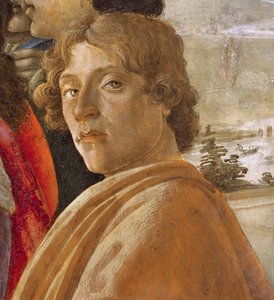
Σάντρο Μποττιτσέλλι (1445–1510) is the most famous Early Renaissance καλλιτέχνης, whose singular vision gave us Η Γέννηση της Αφροδίτης και Η Λατρεία των Μαγών (λεπτομέρεια). Next stand Μαζάτσο, Πιέρο ντέλλα Φραντσέσκα, Φρα Αντζέλικο και Αντρέα Μαντένια. These 62 καλλιτέχνες, from Ουγκολίνο ντι Νέριο (born 1280) to Αλούννο Ντι Ντομένικο (Μπαρτολομέο Ντι Τζιοβάννι) (born 1475), came from 5 countries.
Our selection. Artists whose works our catalogue attaches to Early Renaissance, in the order of our fame ranking. Artists born after 1955 with no Wikidata identifier stay out until verified. The Wikipedia figure counts our 32 languages with an article on the artist.
In brief
One artist at a time
1of 62
Ιταλιάνος Born in Φλωρεντία Πρώιμη Αναγέννηση Wikipedia in 31/32 languages
2of 62
Ιταλός Born in Σαν Τζοβάνι Βαλντάρνο Πρώιμη Αναγέννηση Wikipedia in 31/32 languages

3of 62
Italian Born in Σανσεπόλκρο Early Renaissance Wikipedia in 30/32 languages

5of 62
Ιταλός Born in Πάδοβα Πρώιμη Αναγέννηση Wikipedia in 30/32 languages

Born near Padua around 1431, Andrea Mantegna entered the world of art through a complex and somewhat contentious apprenticeship. His social and professional standing continued to expand through strategic connections; in 1453, he married into the Venetian Bellini firm, a move that linked his burgeoning career to one of the most significant artistic lineages in the region. Within Italy, his stylistic innovations traveled through his family connections, notably affecting his brother-in-law Giovanni Bellini.
Where to see The physical presence of Mantegna’s vision remains scattered across the major cultural centers of Europe and the Americas.
6of 62
Ιταλιάνος Born in Πρατοβετσίου Wikipedia in 31/32 languages
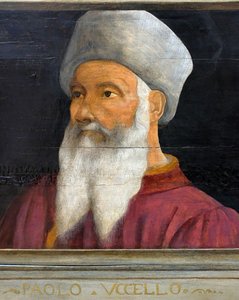
Mary's Presentation in the Temple - Duomo, Prato. Funerary Monument to Sir John Hawkwood - Duomo, Florence.
7of 62
Ιταλός Born in Φλωρεντία Πρώινο Αναγέννησης Wikipedia in 31/32 languages

8of 62
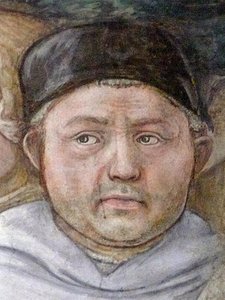
Ιταλός Born in Φλωρεντία Πρώιμη Αναγέννηση Wikipedia in 30/32 languages
10of 62
Ιταλός Born in Φλωρτία Πρωϊνή Αναγέννηση Wikipedia in 31/32 languages

Born in Florence, Italy, Donatello grew up in a city that acted as the primary epicenter for the burgeoning Renaissance. His connection to the Florentine landscape was deep, as the city's evolving values shaped his early approach to form and figure. Donatello's approach to form did not find immediate acceptance within his community.
Pupil of Bicci Di Lorenzo #41
11of 62
Ιταλός Born in Φλωρεντία Αναγέννηση Wikipedia in 23/32 languages

12of 62
Ιταλός Born in Φλωρεντία Διεθνής Γοτθικός Ρυθμός, Πρώιμη Αναγέννηση Wikipedia in 25/32 languages

There, under the watchful eye of Pope Eugene IV, he worked within the Vatican Palace. Women at the Tomb (detail) - Convent of San Marco, Florence.
Where to see There, within the Palazzo Medici-Riccardi, the walls of the Magi Chapel hold the details of the procession of the Magi.
13of 62
Ιταλός Born in Πανικάλε Πρώιμη Αναγέννηση Wikipedia in 23/32 languages

16of 62
Ιταλός Born in Βενετία Πρώιμη Αναγέννηση Wikipedia in 21/32 languages

17of 62
Ιταλός Born in Φερράρα Ιταλική Αναγέννηση Wikipedia in 17/32 languages

18of 62
Ιταλός Born in Σιένα Ύστερη Γοτθική περίοδος, Σιενέσκια Σχολή Wikipedia in 17/32 languages

The Ecstasy of St Francis: Μια βαθιά εξερεύνηση της πνευματικής έκστασης, όπου χρησιμοποιεί μια πλούσια παλέτα από μπλε, κόκκινα και κίτρινα χρώματα για να περιγράψει την μεταμορφωτική δύναμη της πίστης. The Arte della Lana Altarpiece: Ένα από τα πρώτα του βέβαια έργα, που αναδεικνύει την τεχνική πληρότητα που θα γινόταν το σήμα κατατεθέν του.
19of 62
Ιταλός Born in Φλωρεντία Άρχαιο-Ρεναίσορας Wikipedia in 28/32 languages
20of 62
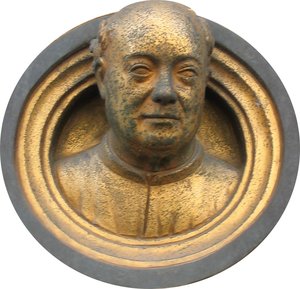
Ιταλιάνος Born in Βενετία Γοθικό ύφος, Βενετικό Γοθικό Wikipedia in 23/32 languages

He was a master of trompe l'oeil, using paint to mimic the physical world with startling accuracy. This combination of the highly decorative and the intensely realistic created a visual language that was uniquely his own, characterized by: A strong linear decorative sense. The works he left behind, many of which reside in collections such as the Pinacoteca di Brera and the National Gallery, reveal a painter of immense technical skill.
22of 62
Italian Born in Σιένα International Gothic Wikipedia in 22/32 languages

23of 62
Ιταλός Born in Σαν Γκοντέντσο Έκθεση Ρενάσαρς Wikipedia in 24/32 languages
26of 62
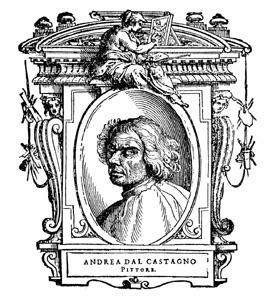
Εθνικότητα Born in Φλωρεντία Καλλιτεχνικό κίνημα ή στυλ Wikipedia in 17/32 languages

27of 62
Ιταλός Born in Φλωρεντία Φλωρεντινή Σχολή; Ύφος Fra Angelico Wikipedia in 13/32 languages

28of 62
Italian (Florentine) Born in Φλωρεντία Early Renaissance, Florentine Wikipedia in 15/32 languages

Pesellino’s artistic style is immediately recognizable, distinguished by its exceptional refinement and a deliberate avoidance of grand gestures. Vasari, in his Lives of the Most Excellent Painters, Painter, Sculptors, and Architects, famously noted Pesellino’s contribution to Lippi's altarpiece for Santa Croce. His style, characterized by its meticulous detail, subtle color harmonies, and intimate emotionality, anticipated the developments of later Florentine painters such as Verrocchio and the Pollaiuoli family.
29of 62
Ιταλιάνος Born in Φλωρεντία Πρώιμη Αναγέννηση Wikipedia in 13/32 languages

His style, heavily influenced by the lyrical elegance of Botticelli and the structural clarity of Filippino Lippi, often centered on religious narratives that invited deep contemplation. Whether depicting the scholarly weight of Saint Jerome or the tender grace of the Madonna, Botticini possessed a unique gift for capturing the emotional gravity of his subjects. While history often casts the spotlight on the monumental shadows of Leonardo da Vinci or Michelangelo, Botticini’s work offers a window into a period of exquisite transition, where the rigid structures of medieval devotion began to melt into the humanistic grace of the Renaissance.
30of 62
Ιταλός Born in Ρώμη Πρώιμη Αναγέννηση Wikipedia in 16/32 languages

He was an artist who found beauty in the archaic, often making a specialty of repainting or interpreting older images or generating new cult images that possessed a distinct, ancient flavor. He utilized rich details and serene compositions that reflected the burgeoning Renaissance spirit, yet he anchored them in a classical and Byzantine -influenced gravity. The historical significance of Antoniazzo Romano lies in his ability to serve the spiritual needs of a changing Rome.
31of 62
Ισπανός Born in Κόρντοβα Ισπανικός-Φλαμανδικός, Πρώιμη Αναγέννηση Wikipedia in 14/32 languages

Through his monumental triptych of the Virgin of Montserrat in València and his unfinished high altar retables in Santo Domingo de Silos and Santa Anna in Barcelona, he demonstrated an unparalleled skill and ambition that pushed the boundaries of Spanish art.
33of 62
Βενετσιάνικη Born in Μουράνο Βενετσιανή Αναγέννηση Wikipedia in 17/32 languages

35of 62
Born in Φλωρεντία

Neri studied under his father, Bicci di Lorenzo, absorbing the stylistic conventions of the time. Early Influences: Initially, Neri’s work closely resembled that of his father.
36of 62
Ιταλία Born in Φλωρεντία Μανιερισμός

His influence extended beyond his own creations—he mentored younger sculptors like Desiderio da Settignano and Michelangelo—propagating his distinctive Mannerist style across Florence.
37of 62
Ιταλός Born in Βενετία Βυζαντινή τέχνη Wikipedia in 11/32 languages

Giotto | Βιογραφία, Πάνες, Arena Chapel, Lamentation & Στοιχεία.
38of 62
Ιταλός Born in Σιένα Σιενέζικη ζωγραφική Wikipedia in 13/32 languages

39of 62
Ιταλός Born in Σιέννα Πρώιμη Αναγέννηση Wikipedia in 13/32 languages

His compositions often feature: Luminous Pigments: A palette rich in ultramarine, vermilion, and gold leaf that reflects the divine splendor of his subjects. Architectural Precision: The use of structured backgrounds to ground holy figures within a tangible, albeit idealized, reality. The historical significance of Taddeo di Bartolo lies in his role as a custodian of Sienese identity during a period of immense change.
40of 62
Ιταλός Born in Φλωρεντία Αναγέννηση

41of 62
Ιταλικός Born in Φλωρεντία Φλωρεντίνικη Σχολή Wikipedia in 8/32 languages

44of 62
Italian Born in Σιένα Early Renaissance Wikipedia in 12/32 languages

Around 1468, Neroccio entered into a significant collaboration with Francesco di Giorgio Martini, an architect, painter, and engineer who would become a lifelong associate. While working alongside di Giorgio, Neroccio began to develop his own distinct style—one that subtly diverged from the prevailing trends. In 1483, he designed the Hellespontine Sybil for the mosaic pavement of Siena Cathedral—a testament to his skill as a designer and draftsman.
45of 62
Ιταλός Born in Σανσεπόλκρο Σιενέζη Σχολή, Αναγέννηση Wikipedia in 11/32 languages

46of 62
Born in Dortmund International Gothic

In the vibrant heart of Westphalia, during the turn of the 15th century, Konrad von Soest emerged as a transformative figure in Northern European painting. Whether depicting the tender grace of the Holy Family or the heavy grief of the Passion, von Soest’s hand is unmistakable, marked by an ability to marry the decorative splendor of the Gothic tradition with a deeply moving, humanistic touch.
47of 62
French Born in Uzès Early Renaissance; Flemish Style Wikipedia in 14/32 languages
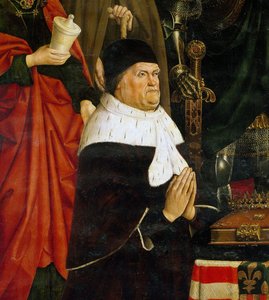
He achieved considerable renown for his monumental altarpiece commissioned in Aix-en-Provence for Catherine Spifami, depicting the Passion of Christ and incorporating scenes from Mary Magdalene's life—a testament to the prevailing devotional fervor of the time. He stands as a pivotal conduit for disseminating Flemish artistic innovations, propelling the Second School of Avignon toward a more expressive and realistic aesthetic.
48of 62
Ιταλός Born in Φλωρεντία Πρώιμη Αναγέννηση Wikipedia in 9/32 languages

50of 62
Italian Born in Σαν Τζοβάνι Βαλντάρνο Early Renaissance Wikipedia in 8/32 languages

While his brother Masaccio is celebrated as the pioneer of groundbreaking realism, Giovanni di Ser Giovanni —affectionately known to history as Lo Scheggia, or "the splinter"—carved out a legacy defined by a different, more delicate kind of mastery.
52of 62
Ιταλική Αναγέννηση Born in Φλωρεντία Πρώιμη Αναγέννηση Wikipedia in 6/32 languages
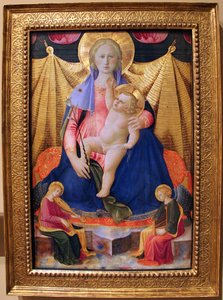
54of 62
Ιταλός Born in Σιένα Πρώιμη Αναγέννηση Wikipedia in 8/32 languages

55of 62
Italian Born in Perugia Umbrian Renaissance Wikipedia in 9/32 languages

In the heart of the Umbrian Renaissance, a period defined by spiritual luminosity and the dawn of humanistic perspective, the name Benedetto Bonfigli emerges as a vital architect of visual devotion.
56of 62
Born in Μουράνο Early Renaissance-late Gothic

Working primarily within the Republic of Venice, Vivarini occupied a unique historical space, bridging the transition between the ornate elegance of the late Gothic period and the burgeoning humanism of the early Renaissance.
57of 62
Italian Born in Florence Early Renaissance

Nanni di Banco’s most celebrated achievement is undoubtedly the Quattro Santi Coronati (Four Crowned Martyrs), commissioned between 1412 and 1415 for the Orsanmichele church in Florence.
58of 62
Italian Early Renaissance

Reflecting on his body of work, several key elements define his artistic identity: Stylistic Versatility: The ability to merge the structural rigor of Florentine sculpture with the lyrical beauty of the International Gothic. Though his life ended in 1451, leaving behind a fragmented biographical record, the echoes of "il Rosso" remain etched in the very fabric of Italian art history. Cultural Diffusion: Acting as a bridge between the artistic epicenters of Florence and the burgeoning markets of Venice and Northern Italy.
59of 62
Italian Born in Siena Renaissance art Wikipedia in 6/32 languages

His early works, such as the celebrated “ Adoration of the Shepherds ” with Saint Augustine and Saint Galgano (circa 1430-1435), demonstrate a masterful command of composition and a burgeoning interest in depicting human emotion. D’ Ambrogio’s artistic development was undoubtedly shaped by the prevailing trends of the early Renaissance, particularly those emanating from Florence.
60of 62
Ιταλός Born in Φλωρεντία Τέχνη της Αναγέννησης Wikipedia in 5/32 languages

61of 62
Italian Late Gothic Wikipedia in 8/32 languages

While definitively named only recently thanks to meticulous research by Maria Falcone, this artist—now recognized as Sano di Pietro —left behind a remarkable cycle of eight panels depicting scenes from the life of Saint Anthony Abbot, works that continue to captivate viewers with their haunting beauty and psychological depth. Despite his anonymity for centuries, the Master of the Osservanza's work has exerted a significant influence on subsequent generations of Italian painters.
62of 62
Italian Proto-Renaissance Wikipedia in 4/32 languages

A key feature of his work is the variation in the presentation of the infant Jesus within Mary’s arms – a subtle but significant departure from the static poses often found in earlier depictions. Artists like Giotto, Masaccio, and Donatello were challenging established conventions and experimenting with new techniques – paving the way for the High Renaissance.
Signature works
A timeline
Figures
| Ιταλία | 53 |
|---|---|
| Italy | 4 |
| Ισπανία | 1 |
| Germany | 1 |
| France | 1 |
| 13thος thếχνου | 1 |
|---|---|
| 14thος thếχνου | 16 |
| 15thος thếχνου | 43 |
| Εθνική Πινακοθήκη Λονδίνου | 13 |
|---|---|
| Μετροπολιτικό Μουσείο Τέχνης | 12 |
| Εθνική Πινακοθήκη Τέχνης | 6 |
| Gemäldegalerie | 5 |
| Galleria degli Uffizi | 4 |
| Μουσείο του Λούβρου | 4 |
| Γκαλερί της Ακαδημίας Βενετίας | 4 |
| Detroit Institute of Arts | 4 |
Every name
Σάντρο ΜποττιτσέλλιΙταλιάνος · 1445–1510ΜαζάτσοΙταλός · 1401–1428Πιέρο ντέλλα ΦραντσέσκαItalian · 1415–1492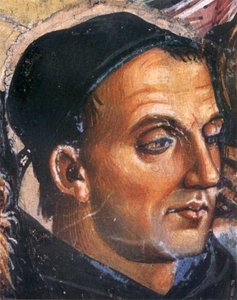 Φρα Αντζέλικο1395–1455Αντρέα ΜαντένιαΙταλός · 1431–1506Πάολο ΟυτσέλλοΙταλιάνος · 1397–1475Ντομένικο ΓκιρλαντάιοΙταλός · 1448–1494Φιλίππο ΛίππιΙταλός · 1406–1469
 Αντονέλο Ντα Μεσίνα1430–1479ΝτονατέλλοΙταλός · 1386–1466Αντόνιο Ντελ ΠολλαϊόλοΙταλός · 1429–1498Μπενότσο ΓκοτσόλιΙταλός · 1420–1497Μαζολίνο Ντα ΠανικάλεΙταλός · 1383–1447
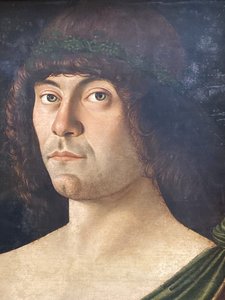 Γιάκοπο ΜπελλίνιΙταλός · 1400–1470
 Κοσμέ ΤούραΙταλός · 1430–1495Ντομένικο ΒενετσιάνοΙταλός · 1410–1461ΦρανচেስΚο Ντελ ΚόσαΙταλός · 1436–1477Σασσέτα (Στεφάνο Ντι Τζιοβάννι)Ιταλός · 1392–1450Λόρετζο ΓκίμπερτιΙταλός · 1378–1455Κάρλο ΚριβέλλιΙταλιάνος · 1435–1495
 Κόσιμο ΡοσέλιΙταλός · 1439–1507Λορέντσο ΜόνακοItalian · 1370–1425Αντρέα ντελ ΚαστάνιοΙταλός · 1420–1457
 Φιλιππός Μπρουνέλλεςκι1377–1446
 Ερκόλε Ντε΄ Ρομπέρτι1450–1496Piero Del PollaiuoloΕθνικότητα · 1443–1496Ντομένικο Ντι ΜιχελίνιΙταλός · 1417–1491Φραντσέσκο ΠεζελλίνοItalian (Florentine) · 1422–1457Φραντσέσκο ΜποττιτσίνιΙταλιάνος · 1446–1498Αντονιάτσο ΡομάνοΙταλός · 1430–1508Μπαρτολομέ ΜερμέχοΙσπανός · 1440–1500
 ΜπενενデΤο Ντα Μαιάνο1446–1497Αντόνιο ΒιβαρίνιΒενετσιάνικη · γεννημένος το 1416
 Ιάκοπος Της ΚουρκιάΙταλός · 1374–1438Μπίτσι Ντι Νέρι1418–1492Βαρθολομαίος ΡοσελλίνουΙταλία · 1409–1464Λορέντσο ΒενετσάνοΙταλός · 1336–1379Ουγκολίνο ντι ΝέριοΙταλός · 1280–1330Ταντέο Ντι ΜπάρτολοΙταλός · 1362–1422Αλούννο Ντι Ντομένικο (Μπαρτολομέο Ντι Τζιοβάννι)Ιταλός · 1475–1503Bicci Di LorenzoΙταλικός · 1350–1427
 Άλβιζε Βιβαρίνι (Λουίζι Βιβαρίνι)Ιταλός · 1446–1502
 Σεβαστιανός ΜαινάρδηςΙταλία · 1460–1513Νερότσο ντι Μπαρτολομέο ντε' ΛάντιItalian · 1447–1500Ματέο Ντι ΤζιοβάννιΙταλός · 1435–1495Konrad Von Soest1370–1422Nicolas FromentFrench · 1430–1484Ιακώβος Ντελ ΣελλάιοΙταλός · 1442–1493
 Φρα ΚαρνεβάλεItalian · 1420–1484Τζοβάννι ντι σερ Τζοβάννι ΓκουίντιItalian · 1406–1486
 Σάνο Ντι ΠιέτροΙταλός · 1405–1481Ζάνομπι ΣτρότσιΙταλική Αναγέννηση · 1412–1468
 Λατσάρο ΜπαστιάνιΙταλία · 1429–1512Ανδρέα Ντι Βάννι Ντι ΆντρεαΙταλός · 1332–1414Benedetto BonfigliItalian · 1420–1496Αντόνιο Βιβαρίνι1440–1480Nanni D Antonio Di BancoItalian · 1380–1421Nanni Di BartoloItalian · 1419–1451Pietro Di Giovanni D'AmbrogioItalian · 1410–1449Μπαρτολομέο Ντι ΦρουοσίνοΙταλός · 1366–1441Master Of The OsservanzaItalian · Master of the Nativity of CastelloItalian ·
Questions
First place goes to Σάντρο Μποττιτσέλλι (#1); Μαζάτσο (#2) and Πιέρο ντέλλα Φραντσέσκα (#3) complete the podium.
Σάντρο Μποττιτσέλλι (#1), Μαζάτσο (#2), Πιέρο ντέλλα Φραντσέσκα (#3), Φρα Αντζέλικο (#4) και Αντρέα Μαντένια (#5).
The earliest-born καλλιτέχνης in this list is Ουγκολίνο ντι Νέριο (#38), born in 1280.
Φλωρεντία: 19 of the καλλιτέχνες in this list were born there.
Most καλλιτέχνες in this list were born in the 15thος thếχνου (43 of 62), between 1280 and 1475 overall.
The museums holding the most key works of this list are Εθνική Πινακοθήκη Λονδίνου (13), Μετροπολιτικό Μουσείο Τέχνης (12) και Εθνική Πινακοθήκη Τέχνης (6).
Ιταλία: 53 of the 62 καλλιτέχνες in this list were born there, then Italy (4) και Ισπανία (1).
The highest-ranked καλλιτέχνες born in Ιταλία are Σάντρο Μποττιτσέλλι (#1), Μαζάτσο (#2), Πιέρο ντέλλα Φραντσέσκα (#3), Φρα Αντζέλικο (#4) και Αντρέα Μαντένια (#5).
“Between 1448 and 1455, he executed the Ovetari Chapel frescoes, a series of works that would define his early reputation.” — from our biography of Αντρέα Μαντένια (#5).
The highest-ranked living καλλιτέχνες in this list are Αντόνιο Βιβαρίνι (#33).
Our catalogue holds 5,105 works by these καλλιτέχνες.
Read
Other movements
 Σημαντοί καλλιτέχνες BaroqueRembrandt van Rijn · Ρέμπραντ
 Σημαντοί καλλιτέχνες Contemporary RealistΟι Συλλέκτριες · Ζαν Φρανσουά Μιγέ
 Σημαντοί καλλιτέχνες ImpressionistΗ Νύχτα Πλούσια Στα Άστρα (Νέα Υόρκη, MoMA) · Βίνσεντ Βαν Γκογκ
 Σημαντοί καλλιτέχνες RomanticistΚρόνος να καταβροχθίζει τον Γιο του · Φρανθίσκο Γκόγια
 Σημαντοί καλλιτέχνες NeoclassicistΟ Θάνατος του Μαράτ · Ζακ-Λουί Νταβίντ
 Σημαντοί καλλιτέχνες RealistΗ Αρχή του Κόσμου · Γκυστάβ Κουρμπέ
 Σημαντοί καλλιτέχνες Dutch Golden AgeΤο Κορίτσι με το Μαργαριτάρι · Γιοχάνες Βερμέερ
 Σημαντοί καλλιτέχνες RenaissanceΜόνα Λίζα (La Gioconda) · Λεονάρντο Ντα Βίντσι
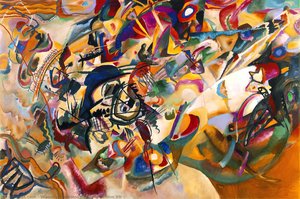 Σημαντοί καλλιτέχνες ExpressionistΣύνθεση Ζ · Βασίλι Καντίνσκι
 Σημαντοί καλλιτέχνες RococoΗ Πρώτη Επίσκεψη στην Κύθηρα · Αντουάν Βαττώ
Other periods
 Σημαντοί καλλιτέχνες Early MedievalSnowy River · Wáng Wéi
 Σημαντοί καλλιτέχνες High MedievalΜάδονα σε Μαέστα (Μάδονα Ογνιαντίνι) · Τζόττο
 Σημαντοί καλλιτέχνες Late MedievalΗ Αναγγελία και οι Δύο Άγιοι · Σιμόνε Μαρτίνι
 Σημαντοί καλλιτέχνες RenaissanceΗ Δημιουργία του Αδάμ · Μιχαήλ Άγγελος
 Σημαντοί καλλιτέχνες Early ModernΗ Κλήση του Ματθαίου · Καραβάτζο
 Σημαντοί καλλιτέχνες 19th CenturyΝυφάδες του Νερού (ή Λιλιές του Νερού) · Κλόντ Μονέ
 Σημαντοί καλλιτέχνες ModernΓκουέρνικα · Πάμπλο Πικάσο
 Σημαντοί καλλιτέχνες ContemporaryWind Sculpture III (one in a series of nine) · Yinka Shonibare
Discover more