Late Medieval, one artist at a time

99 Famous Late Medieval Umělci Who Shaped the Movement

Simone Martini (1284–1344) is the most famous Late Medieval umělec, whose singular vision gave us Zvěstování a dva svatí a St Clare and St Elizabeth of Hungary. Next stand Andrej Rublev, Ambrogio Lorenzetti, Pietro Lorenzetti a Hubert Van Eyck. These 99 umělci, from Yuan Dynasty (born 1271) to Hubert Van Eyck (born 1366), came from 22 countries.

Our selection. Artists whose works our catalogue attaches to Late Medieval, in the order of our fame ranking. Artists born after 1955 with no Wikidata identifier stay out until verified. The Wikipedia figure counts our 32 languages with an article on the artist.

  1. Zvěstování a dva svatí od Simone Martini1Simone Martini
  2. Deesis Range: The Archangel Michael od Andrej Rublev2Andrej Rublev
  3. Efekty dobré vlády na život ve městě od Ambrogio Lorenzetti3Ambrogio Lorenzetti

In brief

Late Medieval in brief

  • 99Umělci
  • 1271–1366Roky narození
  • 22Země narození
  • 1Ženy
  • 5Živí umělci
  • 1 514Díla v našem katalogu
Města s nejvyšším počtem narozených
Siena (13), Florencie (8), Florence (8), Modena (3)
Muzea s největším počtem klíčových děl
Metropolitan Museum of Art (18), National Gallery of Art (6), Galleria degli Uffizi (5), Yale University Art Gallery (4)
Ženy na tomto seznamu
Mother Julian

One artist at a time

99 Late Medieval Umělci and their signature works

1of 99

Simone Martini

Italská Born in Siena Mezinárodní gotika Wikipedia in 28/32 languages

Simone Martini

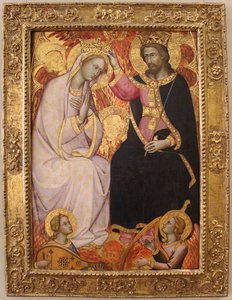
Saint Louis of Toulouse Crowning His Brother Robert of Anjou, 1317. V roce 1333 namaloval Zvěstování svaté Markrétě a svatému Ansanovi, dílo, které je v současnosti uloženo v Galleria degli Uffizi ve Florencii. V roce 1342 dokončil Christ Discovered in the Temple, obraz, který lze dnes spatřit v Walker Art Gallery v Liverpoolu.

Teacher of Lippo Memmi #10

Signature works · The 100 signature works

2of 99

Andrej Rublev

Rus Born in Moskevské velkoknížectví Ruská ikonomalba Wikipedia in 31/32 languages

Andrej Rublev

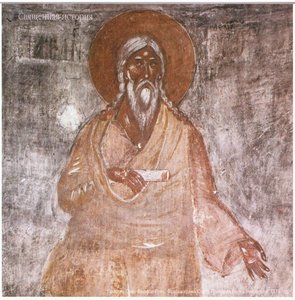
Andrej Rublev (cca 1360 – cca 1430) zůstává jednou z nejzáhadnějších a hluboce nejvlivnějších postav v historii ruského umění. V roce 1405 spojil síly s Theofanem a Prokhorem z Gorodce při zdobení katedrály Zvěstování, což byl zásadní moment ruského ikonomalířství. Pravděpodobně jeho nejslavnější dílo, ikona „Trojice“ (cca 1420–1428), je svědectvím o jeho uměleckém géniu.

Signature works · The 100 signature works

3of 99

Ambrogio Lorenzetti

Born in Siena Wikipedia in 29/32 languages

Ambrogio Lorenzetti

Ambrogio Lorenzetti, narozený kolem roku 1290 v srdci Sieny v Itálii, se stal klíčovou postavou přechodu od středověkých uměleckých tradic k rozvíjejícímu se renesančnímu myšlení. Ačkoli byl v dobách svých současníků jako Duccio a Simone Martini často zastíněn, a často diskutován spolu se svým bratrem malířem Pietrem Lorenzettim, Ambrogio si vybudoval vlastní jedinečnou cestu – charakteristickou inovativním duchem a hlubokým zapojením do světa kolem sebe.

Signature works · The 100 signature works

4of 99

Pietro Lorenzetti

Italská Born in Siena Raná renesance Wikipedia in 27/32 languages

Pietro Lorenzetti

Pietro Lorenzetti (cca 1280 – 1348) představuje klíčovou postavu sienského malířství, která v sobě nesla znamení hlubokého přechodu od gotického formalismu k rozkvétajícím humanistickým ideálům rané renesance. Narodil se v srdci živé kulturní krajiny Sieny kolem roku 1280 a jeho umělecká cesta se odehrávala během období významných intelektuálních i uměleckých proměn v Toskánsku.

Signature works · The 100 signature works

5of 99

Hubert Van Eyck

Nizmecký Born in Maaseik Raná nizozemská Wikipedia in 20/32 languages

Hubert Van Eyck

Narodil se v Maasiku kolem roku 1385 nebo 1390 a byl součástí impozantní umělecké dynastie; jeho rodinné vazby, včetně slavného bratra Jana a sourozenců Lamberta a Margarety, vytvořily krčmu kreativity, která navždy změnila směr evropského malířství. Byl mužem své doby i svého cechu, což dokazuje jeho oficiální vstup do gentského Artisten Gilded v roce 1413, svědectví o jeho profesionálním postavení a integraci do živé, bohaté městské kultury Flanders.

Signature works · The 100 signature works

6of 99

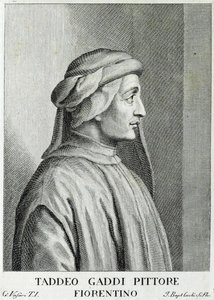
Taddeo Gaddi

Italská Born in Florencie Raná renesance Wikipedia in 23/32 languages

Taddeo Gaddi

V pulzující, rozkvétající atmosféře čtrnáctstoleté Florencie, v období definovaném přechodem od středověku k rané renesanci, Taddeo Gaddi vystoupil jako mistr světla, vyprávění a architektonické velkoleposti. Jako jeden z nejvýznamnějších žáků legendáršího Giotta di Bondone nenacházel Gaddi jen dědice určitého stylu; on rozšířil vizuální slovník své éry.

Teacher of Agnolo Gaddi #7, Jacopo Del Casentino (Jacopo Landino) #51

Signature works · The 100 signature works

7of 99

Agnolo Gaddi

Italiane Born in Florencie Gothic, Raná Renesance Wikipedia in 20/32 languages

Agnolo Gaddi

The monumental figures rendered with palpable humanity—a hallmark of Giotto’s style—found their reflection in Gaddi’s earliest works, demonstrating his instinctive grasp of the revolutionary aesthetic championed by Giotto. However, Gaddi swiftly distinguished himself from his father's teacher, subtly elevating Giotto’s stylistic concerns through a more refined elegance and meticulous attention to detail. Agnolo's artistic journey began under the tutelage of Taddeo Gaddi, his father—himself a devoted pupil of Giotto di Bondone.

Pupil of Taddeo Gaddi #6

Signature works · The 100 signature works

8of 99

Theofanés Řek

Řek Born in Konstantinopol Byzantine ikonografie Wikipedia in 22/32 languages

Theofanés Řek

Teofánés se narodil v Konstantinopolé kolem roku 1340, a byť je kvůli svým pozdějším aktivitám často spojován s Řeckem, byl klíčovou postavou, která propojila poslední rozkvět byzantského umění s rodícími se tradicí Ruska. Kolem roku 1395 dorazil do Novhorodu, mocného městského státu v Rusku, společně s Andrejem Rublevem, další ikonickou postavou ruského pravoslavného umění.

Signature works · The 100 signature works

9of 99

Paolo Veneziano

Italská Born in Benátky Byzantský vliv a gotická umění Wikipedia in 15/32 languages

Paolo Veneziano

Paolo Veneziano (cca 1333–1358) představuje monumentální postavu v dějinách benátského umění, uznávanou univerzálně jako nejvýznamnější benátský malíř čtrnáctého století. Narodil se do umělecké linie přímo ve Venedici – jeho otec byl z Když uznávaným umělcem – a Venezianova krátká, lecz brilantní kariéra se střetla s transformativním obdobím evropského malířství.

Signature works · The 100 signature works

10of 99

Lippo Memmi

Italský Born in Siena International Gothic Wikipedia in 17/32 languages

Lippo Memmi

Lippo Memmi, narozený kolem roku 1291 v srdci Sieny, je klíčovou postavou přechodu od byzantsky zakořeněných tradic středověkého malířství k rozvíjející se eleganci mezinárodního gotického stylu. Často diskutován ve vztahu ke svému slavnému švagru a mentorovi Simonovi Martinimu, současný výzkum stále více uznává Memmiho osobitý umělecký hlas a významný přínos 14. století sienskému umění. Ansanem (1333), vytvořené ve spolupráci se Simonem Martinim pro galerii Uffizi.

Pupil of Simone Martini #1

Signature works · The 100 signature works

11of 99

Altichiero Da Zevio

Italská Born in Zevio Gotická sztuka Wikipedia in 20/32 languages

Altichiero Da Zevio

Altichiero Da Zevio, narozen kolem roku 1330 poblíž tichého městečka Zevio u Verony, nebyl pouze kronikářem sakrálních událostí, ale průkopníkem viktánské gotické stylů. Tato vazba, pravděpodobně navázaná prostřednictím intimního studia Giottových žáků, jako byl Taddeo Gaddi, umožnila Altichiero Da Zevio vnést do svých děl hluboký pocit objemu, váhy a narativní jasnosti, což bylo pro jeho dobu revoluční.

Signature works · The 100 signature works

12of 99

Spinello Aretino

Italská Born in Arezzo Spojovnice mezi Giottovým stylem a sienskou školou Wikipedia in 16/32 languages

Spinello Aretino

Narodil se v rodině florentinských zlatníků a jeho pravé jméno bylo Spinello Di Luca Spinelli, ale historii přešlo známé přezdívka „Aretino“, což odkazuje na jeho pouto k městu Arezzo. V raných letech pracoval v rušných florentských dílnách, kde přispíval k monumentálním dílům, jako jsou fresky v kostele Carmine a Santa Maria Novella.

Pupil of Jacopo Del Casentino (Jacopo Landino) #51 · Teacher of Lorenzo di Bicci #32

Signature works · The 100 signature works

13of 99

Bernardo Daddi

Italská Born in Florencie Raná renesance Wikipedia in 17/32 languages

Bernardo Daddi

Bernardo Daddi, narozený ve Florencii kolem roku 1290 a zesnulý v roce 1348, představuje klíčovou postavu přechodu od pozdní gotiky k začínající italské renesanci. Přesné datum Daddiho narození zůstává zahaleno tajemstvím, i když záznamy naznačují, že byl poprvé zmíněn v roce 1312. Široce se věří, že jeho umělecká cesta začala pod vedením Giotta di Bondone, jednoho z nejvlivnějších umělců té doby.

Signature works · The 100 signature works

14of 99

Andrea Pisano

Italská Born in Pontecorvo Gotika

Andrea Pisano

Andrea Pisano (cca 1290 – 1348 Orvieto) představuje monumentální postavu italské renesanční sochařské tvorby, přestože jeho umělecké dědictví je neoddělitelně spjato s předcházející gotickou érou a hluboce ovlivněno revoluční silou Giotta di Bondone. Narodil se v Pontecorvo v regionu Lazio a jeho raný život zůstává částečně zahalen tajemstvím, avšak svou dovednost si nejdříve zdokonaloval jako zlatník, než se kolem roku 1300 zcela zasvětil sochařství pod vedením Mino di Giovanni.

Signature works · The 100 signature works

15of 99

Niccolò Di Tommaso

Italská Born in Florencie Raná renesance

Niccolò Di Tommaso

Niccolò Di Tommaso, jméno jemně rezonující v kronikách italského malířství čtrnáctého století, se objevil ve Florencii kolem roku 1346. Zlomová spolupráce s Nardo di Cione kolem roku 1370 se ukázala jako transformativní. Jejich společné úsilí na kapli Strozzi v kostele Santa Maria Novella představuje klíčový bod v Niccolòho umělecké dráze.

Signature works · The 100 signature works

16of 99

Ni Can

Čínská Born in Wu-si Čtyři mistři dynastie Juán Wikipedia in 15/32 languages

Ni Can

Jeho malba, charakteristická monochromatickou krajinou v odstínech inkoustu s široce vzdálenými břehy řek, stíny stromů v popředí vykreslené proti vodní hladině a minimalistickými kompozicemi zcela bez přítomnosti člověka, se odvážně vymyká tradičním konceptům čínského malířství. Tento nezaměnitelný styl, který se plně rozvinul po roce 1345, nebyl jen technickou inovací, ale vědomým projevem hluboké sebexpresivní snahy umělce.

Signature works · The 100 signature works

17of 99

Andrea Di Cione (Orcagna)

Italská Born in Florencie Gotika-Pozdní gotika

Andrea Di Cione (Orcagna)

Andrea Di Cione (Orcagna), v dějinách známý pod evokativním přezdívkou Orcagna, stojí jako jedna z nejvlivnějších postav florentínského umění v polovině 14. století—období poznačeného fascinujícím spojením gotických a póhogotických uměleckých tradic. Narodil se kolem roku 1308 v srdci Florencie a vyrostl v rodině hluboce zakořeněné v prestižní řemeslné kultuře města. Formativní roky Orcagna strávil laděním svých dovedností v živí národní komunitě Florencie.

Signature works · The 100 signature works

18of 99

Orcagna

Italská Born in Florencie Gotika–Pozdní gotika Wikipedia in 20/32 languages

Orcagna

Jméno Orcagna – přezdívka, kterou mu udělili místní řemeslníci – představuje fascinující postavu v dějinách italského umění: Andrea di Cione, malíř, sochař, architekt a mistr řemesla, který ovládl uměleckou krajinu Florencie v druhé polovině 14. století.

Pupil of Andrea Pisano #14

Signature works · The 100 signature works

19of 99

Giovanni Da Milano

Born in Lombardie

Giovanni Da Milano

Narozený jako Giovanni di Jacopo di Guido da Caversaccio v Lombardii kolem roku 1346, jeho umělecká cesta se odehrávala především ve vibrantu kulturním prostředí Florencie během doby obrovských změn a inovací.

Signature works · The 100 signature works

20of 99

Barna Da Siena

Italian Born in Siena Gothic Art Wikipedia in 14/32 languages

Barna Da Siena

Through the dramatic shadows of his frescoes and the haunting beauty of his Madonna with Child, Barna da Siena remains an eternal presence in the canon of Italian masters, a name that continues to echo through the corridors of art history, inviting us to rediscover the soul of the Middle Ages.

Signature works · The 100 signature works

21of 99

Wang Meng

Chinese Born in Huzhou Yuan Dynasty Landscape Painting Wikipedia in 14/32 languages

Wang Meng

His brushstrokes—often described as “ropy” or “layered”—were meticulously applied in thick, overlapping patterns, creating a palpable sense of texture and movement. Wang Meng’s compositions are often densely populated with elements—trees, rocks, mountains, streams—creating an immersive experience for the viewer. Notably, "Ge Zhichuan Relocating" sold for an astonishing $62.1 million at auction in 2011, a testament to its artistic merit and historical significance.

Signature works · The 100 signature works

23of 99

Nicolas Bataille

French Medieval Art, Religious Paintings

Nicolas Bataille

His tapestries, particularly the famed “Seven Seals” cycle now housed in the Saint-Nicolas du Chardonnet church in Paris, offer a window into a world grappling with anxieties about mortality, divine judgment, and the impending end times – a perspective rarely found in contemporary art. The depiction of Babylon’s destruction reflects the prevailing fears about political instability and social decay in 14th-century France.

Signature works · The 100 signature works

24of 99

Lorenzo Veneziano

Italská Born in Benátky Byzantine art Wikipedia in 11/32 languages

Lorenzo Veneziano

Rok 1336 rezonuje v umělecké krajině Itálie jako čas neoddělitelně spjatý s postavou zahalenou tajemstvím – Mistrem roku 1336. Tento umělec, přesněji známý jako Giovanni Lipini, nese jméno odvozené od zázračné fresky zobrazující Panny Marii v kostele Santa Maria delle Grazie v Pistoii, což nám nabízí fascinující pohled do jeho původu a trvajícího vlivu.

Signature works · The 100 signature works

25of 99

Segna Di Buonaventure

Italian Trecento

Segna Di Buonaventure

However, unlike Duccio’s often exuberant and emotionally charged compositions, Segna’s paintings possess a more restrained elegance, characterized by a sense of solemnity and a focus on formal clarity. It’s believed that Segna spent time in Florence during this period, absorbing influences from the burgeoning Florentine school, which was beginning to experiment with linear perspective and naturalistic representation.

Signature works · The 100 signature works

27of 99

Ugolino Di Nerio

Italská Born in Siena Sienská malba Wikipedia in 13/32 languages

Ugolino Di Nerio

Ugolino di Nerio, jméno, které je v hlavních proudech dějin umění často nepřítomné, představuje klíčovou postavu v rozkvétající umělecké krajině Sieny a Florencie během 1320.}\,\í.

Signature works · The 100 signature works

28of 99

Taddeo di Bartolo

Italian Born in Siena Early Renaissance Wikipedia in 13/32 languages

Taddeo di Bartolo

His compositions often feature: Luminous Pigments: A palette rich in ultramarine, vermilion, and gold leaf that reflects the divine splendor of his subjects. Architectural Precision: The use of structured backgrounds to ground holy figures within a tangible, albeit idealized, reality. The historical significance of Taddeo di Bartolo lies in his role as a custodian of Sienese identity during a period of immense change.

Signature works · The 100 signature works

29of 99

Lippo Di Benivieni

Italian Born in Florence Early Quattrocento

Lippo Di Benivieni

Despite the paucity of surviving paintings attributed to Lippo di Benivieni, his influence is palpable in several significant frescoes adorning churches throughout Siena and San Gimignano. Madonna and Child Panel Painting: A monochrome panel depicting Mary holding the infant Jesus exemplifies Lippo’s mastery of technique—particularly his ability to achieve remarkable tonal gradation using tempera on wood. Furthermore, his work serves as an exemplar of early Quattrocento painting—a transitional phase between Gothic formalism and Renaissance naturalism —demonstrating Lippo’s willingness to embrace new stylistic approaches while retaining core aesthetic principles.

Signature works · The 100 signature works

30of 99

Zhao Yuan

Chinese Landscape painting

Zhao Yuan

Like Wang Meng, Zhao Yuan embraced a dense, complex compositional structure characterized by layered mountains, gnarled trees, and meticulously rendered details. Beyond Wang Meng, echoes of earlier masters like Fan Kuan (c. 937-1020), renowned for his monumental landscapes and powerful brushwork, can also be detected in Zhao Yuan’s treatment of rock formations and atmospheric effects. His most significant debt is undoubtedly to Wang Meng (1308-1383), one of the last great masters of the Yuan dynasty.

Signature works · The 100 signature works

31of 99

Andrea Di Bartolo

Italian Born in Siena Sienese School Wikipedia in 12/32 languages

Andrea Di Bartolo

Working alongside luminaries such as Luca di Tommè, he contributed to significant communal works, including an altarpiece for the shoemaker's guild in the cathedral of Siena, marking his first documented presence in the annals of art history.

Signature works · The 100 signature works

32of 99

Lorenzo di Bicci

Italian Florentine School

Lorenzo di Bicci

He eschewed the heavy, dark backgrounds favored by many of his contemporaries, opting instead for lighter, more airy compositions that allowed figures to emerge with clarity and grace. He skillfully employed perspective, though not with the mathematically precise rigor of later Renaissance artists, creating a sense of depth and spatial awareness through subtle variations in scale and detail. His successors, Bicci di Lorenzo and Neri di Bicci, continued to serve these groups, carrying forward his artistic legacy.

Signature works · The 100 signature works

33of 99

Melchior Broederlam

Belgian Born in Ypres Early Netherlandish Painting Wikipedia in 15/32 languages

Melchior Broederlam

His influence can be traced through the lineage of the great Netherlandish painters, acting as a vital precursor to the technical perfection achieved by Jan van Eyck. The court at Dijon was a crucible of talent, attracting the finest goldsmiths, sculptors, and painters of Europe, and within this vibrant atmosphere, Broederlam refined a style that was both regal and deeply spiritual.

Signature works · The 100 signature works

34of 99

Lorenzo Di Bicci

Italský Born in Florencie Florecká škola Wikipedia in 8/32 languages

Lorenzo Di Bicci

Lorenzo di Bicci, narozený kolem roku 1373 v Florencii, představuje klíčovou postavu v rozvíjející se florentské malířské škole během druhé poloviny čtrnáctého a počátku patnáctého století. Ačkoliv biografické detaily zůstávají skromné—identita jeho otce je ponořena do nejasností—vědecký konsenzus pevně potvrzuje, že Lorenzo absolvoval učení u Jacopo di Cione a Andrea di Cione, umělců, jejichž stylistické inovace hluboce ovlivnily jeho uměleckou trajektorii.

Signature works · The 100 signature works

35of 99

Gherardo Starnina

Italian Born in Florence Venetian Renaissance Wikipedia in 12/32 languages

Gherardo Starnina

The enduring impact of Gherardo di Jacopo Starnina can be summarized through several key artistic contributions: Stylistic Synthesis: The seamless blending of Florentine emotional realism with Venetian decorative splendor.

Signature works · The 100 signature works

36of 99

Jean Pucelle

French Early Gothic painting

Jean Pucelle

Jean Pucelle remains one of the most captivating enigmas in the annals of medieval art, a figure whose name is whispered with reverence by those who study the delicate transition from the rigid structures of the Middle Ages to the burgeoning humanism of the Renaissance.

Signature works · The 100 signature works

37of 99

Andrea di Bonaiuto

Italská Born in Florencie Toskánská malba Wikipedia in 12/32 languages

Andrea di Bonaiuto

Narodil se kolem roku 1308 ve Florenci a zemřel přibliž nbfs roku 1368. Kolem let 1343–44 vstoupil do cechu Arte dei Medici e degli Speziali (cechu lékařů a lékárníků), což byla běžná cesta pro umělce hledající profesní uznání a přístup k zakázkám.

Signature works · The 100 signature works

38of 99

Guariento di Arpo

Italian Born in Piove di Sacco Early Renaissance; Venetian painting; Gothic art Wikipedia in 12/32 languages

Guariento di Arpo

The foundations of Guariento’s genius were laid in the workshops of his contemporaries, where the shadows of masters like Giotto di Bondone and Giovanni Pisano loomed large.

Signature works · The 100 signature works

39of 99

Giovanni Del Biondo

Italian Born in Pratovecchio Gothic & Early Renaissance Wikipedia in 10/32 languages

Giovanni Del Biondo

He stands as a pivotal bridge between two worlds—the stylized, symbolic realm of the Gothic and the human-centric, observational era of the Renaissance.

Signature works · The 100 signature works

40of 99

Klaus Sluter

Nizozemec Born in Haarlem Severní realismus

Klaus Sluter

Claus Sluter (cca 1350–1406) stojí jako jeden z nejvlivnějších sochařů své éry, který definoval klíčové zvratné místo mezi gotickými a renesančními uměleckými tradicemi v severní Evropě. Služba Filipovi Odvážnému: Sluterovy formativní roky vyvrcholily zásadným učednictvím u Jeana de Marville, dvorského sochaře Filipa Odvážného, vévody burgundského. Mezi lety 1385 až 1389 si zdokonaloval své schopnosti uprostřed opulentních dvorů v Dijonu, přičemž absorboval vlivy jak gotického formalismu, tak rodících se ideálů renesance.

Signature works · The 100 signature works

42of 99

Jacopo di Cione

Italian Born in Florence Gothic Wikipedia in 7/32 languages

Jacopo di Cione

Jacopo's dedication extended beyond commissions; he actively participated in shaping Florence’s cultural landscape through his involvement with the cathedral workshop and his role as consul of the Arte dei Medici e Speziali (1384, 1387, 1392). His commitment to procuring marble for the cathedral underscored his understanding of artistic grandeur and civic responsibility. The dispersed predella depicting scenes from Saint Peter’s life – a collaborative effort with Niccolò di Pietro Gerini – remains a poignant reminder of Jacopo's artistic legacy and the enduring power of Florentine Gothic art.

Signature works · The 100 signature works

43of 99

Bartolo Di Fredi

Italian Born in Siena Sienese School Wikipedia in 13/32 languages

Bartolo Di Fredi

V srdci čtrnáctého století v Toskánsku, v době definované přechodem od éterické elegance gotiky k rostoucímu humanismu renesance, se Bartolo di Fredi představil jako mistr světla a vyprávění. Narodil se kolem roku 1330 v Sienu a byl něčím víc než jen malířem; byl mostem mezi dvěma světy.

Signature works · The 100 signature works

44of 99

Conrad von Soest

German Born in Dortmund International Gothic soft style Wikipedia in 13/32 languages

Conrad von Soest

His presence in Dortmund placed him at the heart of a cosmopolitan social circle, where he moved among the patrician elite, securing the patronage necessary to sustain a thriving workshop that would influence Northern European painting well into the late 15th century. Completed around 1420, this monumental triptych stands as a pinnacle of the International Gothic style.

Signature works · The 100 signature works

45of 99

Tuthmosis

Egyptian Born in Amarna Amarna art style

Tuthmosis

Tuthmosis’s mastery lay not only in capturing likeness but also in skillfully manipulating stone. He primarily worked with fine-grained limestone, a material readily available in the quarries surrounding Amarna. Though Tuthmosis died around 1300 BC, his influence on Egyptian art endures.

Signature works · The 100 signature works

46of 99

Giovanni da Milano

Italian Born in Valmorea Italian Gothic Wikipedia in 13/32 languages

Giovanni da Milano

In the bustling streets of Florence, where the air was thick with the scent of fresh pigment and the echoes of a changing era, a painter named Giovanni di Jacopo di Guido da Caversaccio began to make his mark. Hailing from Lombardy, he arrived in Tuscany as a man seeking his fortune, appearing in the city's records as Johannes Jacobi de Commo.

Signature works · The 100 signature works

47of 99

Master Bertram

German Born in Minden International Gothic Wikipedia in 13/32 languages

Master Bertram

It is believed that Bertram was influenced by both French and Netherlandish artistic trends prevalent during his time. The influence of courtly art from France can be observed in the refined elegance of his figures and decorative elements, while the meticulous detail and realism characteristic of Early Netherlandish painting are evident in his depictions of architectural settings and objects.

Signature works · The 100 signature works

48of 99

Agostino Di Giovanni

Italian Born in Siena Gothic architecture/sculpture

Agostino Di Giovanni

Agostino di Siena, born around 1285 in the heart of Tuscany, emerged as a pivotal figure in the transition from late Gothic to early Renaissance sculpture. Giorgio Vasari, the celebrated Renaissance art historian, initially placed Agostino within the orbit of Giovanni Pisano’s workshop, suggesting a formative apprenticeship under this master sculptor. His exact date of death remains unknown, though records indicate he was no longer living as of June 27, 1347—a period marked by the devastating impact of the Black Death.

Signature works · The 100 signature works

50of 99

André Beauneveu

Netherlandish Born in Valenciennes Pucellian revival

André Beauneveu

His technical achievements are best observed in the following areas: Illuminated Manuscripts: In works such as the Psalter of Jean de Berry and his depictions of figures like King David, Beauneveu demonstrated an extraordinary ability to use light and shadow to create a sense of three-dimensional volume on parchment.

Signature works · The 100 signature works

51of 99

Jacopo Del Casentino (Jacopo Landino)

Italian Born in Florence Renaissance

Jacopo Del Casentino (Jacopo Landino)

To study the works of Jacopo del Casentino is to witness the evolution of the human spirit through paint. In the annals of Italian art, Jacopo remains a luminous figure, a painter who captured the very essence of Florentine devotion. The origins of his artistry are deeply rooted in the Florentine milieu, likely shaped by the influential circle surrounding the Master of St.

Signature works · The 100 signature works

52of 99

Soseki Musó

Japonský Born in Provincie Ise Zen buddhismus Wikipedia in 12/32 languages

Soseki Musó

Musō Soseki, významná postava japonského umění a spirituality, se narodil v roce 1275 a odešel ze světa 20. října 1351. Umělecké snahy Musō Soseki byly charakterizovány jeho jedinečným spojením spirituality a estetiky. Přínos Musō Soseki k japonskému umění je mnohostranný a odráží jak čínské vlivy, tak specificky japonské tradice.

Signature works · The 100 signature works

53of 99

Francesco Traini

Italian Born in Pisa Gothic Art Wikipedia in 11/32 languages

Francesco Traini

Orcagna championed the concept of “naturalis dispositio,” prioritizing spatial realism to communicate theological ideas effectively—a principle that Traini wholeheartedly embraced. The Dance of Death Motif: The Triumph of Death fresco, arguably Traini's magnum opus, embodies the pervasive preoccupation with mortality during the Black Death era.

Signature works · The 100 signature works

54of 99

Vitale Da Bologna

Italian Born in Bologna International Gothic Wikipedia in 12/32 languages

Vitale Da Bologna

The historical importance of Vitale da Bologna lies in his role as a pivotal figure in the evolution of the Bolognese school. By blending the formal rigidity of Gothicism with the emerging naturalism of the early Renaissance, he provided a blueprint for subsequent generations of Italian painters. His works, scattered across prestigious locations such as Pomposa Abbey and Udine Cathedral, serve as windows into a world where the divine and the earthly were intimately entwined.

Signature works · The 100 signature works

55of 99

Sheikh Zain Al-Din

Kurdish Born in Erbil Company Style

Sheikh Zain Al-Din

Zain al-Din’s prominence grew during a period of significant change in India, as the power of the Mughal Empire waned and British influence expanded. This era saw the emergence of what is now known as the “Company style” of painting—a hybrid aesthetic favored by British officials and collectors who sought realistic depictions of Indian life, flora, and fauna. The Ashmolean Museum in Oxford holds several examples of his work, including exquisite depictions of mountain-rats, hanging bats, parrots, and storks—each painting a miniature world unto itself.

Signature works · The 100 signature works

56of 99

Pere Serra

Spanish Gothic-Italian

Pere Serra

Pere Serra, also known as Jaume Serra, stands as a compelling figure in the transition from the International Gothic style to the burgeoning Renaissance aesthetic within Catalonia. While biographical details remain scarce – a common fate for artists working before widespread documentation – Serra’s surviving works speak volumes about his skill, refinement, and the patronage that supported his endeavors. The city was a vibrant hub for trade and artistic exchange, exposed to influences from Italy, France, and Flanders.

Signature works · The 100 signature works

57of 99

Aztecká Říše

Mexická Born in Tenochtitlán Mesoamerické umění

Aztecká Říše

Jméno „Aztéka“ – odvozené z národního slova nahuatl ātl-ce-tlācati–tlān, což znamená „lidé mnoha podob“ – vyvolává obrazy rozsáhlé, komplexní říše, která po staletí dominovala Mesoamerice. Umělecké tradice Azteků, zrozené na začátku 14. století v Tenochtitlánu, srdci Aztické říše, byly hluboce zakořeněné v odkazu dřívějších mesoamerických civilizací.

Signature works · The 100 signature works

59of 99

Marco Di Paolo Veneziano

Italian Byzantine-influenced art; Gothic art

Marco Di Paolo Veneziano

In the shimmering, maritime heart of the fourteenth century, a transformative era was unfolding within the lagoons of Venice, and at its center stood Paolo Veneziano. His formative years were steeped in the luminous, spiritual grandeur of Byzantine art, a tradition brought to the Venetian lagoons through trade and deep ecclesiastical ties to Constantinople. His ability to blend the following elements created a style that was uniquely "Venetian": Luminous Color Palettes: Drawing from the Byzantine tradition to create depth and spiritual radiance.

Signature works · The 100 signature works

62of 99

Ferrer Bassa

Catalan Born in Avinyonet del Penedès Gothic painting

Ferrer Bassa

Ferrer Bassa emerged from the artistic landscape of 14th-century Catalonia as a pivotal figure, bridging the gap between established Gothic traditions and the burgeoning Italianate styles that would reshape European painting. His ability to synthesize diverse stylistic elements—French elegance, Sienese refinement, and Giottesque drama—resulted in a visual language that was both innovative and deeply rooted in its cultural context.

Signature works · The 100 signature works

63of 99

Tommaso Da Modena

Italian Born in Modena Late Gothic Wikipedia in 15/32 languages

Tommaso Da Modena

Tommaso Barisini, commonly known as Tommaso da Modena and sometimes referred to as Tomaso Baffini (c. 1325 – 1379), stands as one of the most prominent figures in Northern Italian painting during the mid-14th century—a period marked by burgeoning artistic innovation and profound spiritual reflection. His unwavering commitment to naturalistic representation—coupled with his masterful command of perspective—established a precedent for Renaissance artists seeking to emulate the grandeur and clarity of classical art forms.

Signature works · The 100 signature works

64of 99

Jacopo Avanzi

Italian Born in Bologna Renaissance, Proto-Renaissance

Jacopo Avanzi

D'Avanzi’s style occupies a fascinating position within the transition from Gothic art to the early Renaissance. The influence of Giotto is palpable, particularly in his emphasis on storytelling and relatable human emotions. He wasn’t alone in this pursuit; Altichiero da Zevio, with whom he frequently collaborated, shared similar artistic concerns.

Signature works · The 100 signature works

65of 99

Paolo Di Giovanni Fei

Italský Born in San Quirico d'Orcia Naturalismus, Proto-renesaní Wikipedia in 10/32 languages

Paolo Di Giovanni Fei

Jeho život, i když tragicky krátký, byl svědicky dramatické změny uměleckých citlivostí v Sieně, pohánované především jeho spoluprací s mladším bratrancem Ambrogiem Lorenzettim a jejich zapojením do inovativních technik Giotta a Giovanniego Pisana. Lorenzettiova raná kariéra je zčást mocná tajemství, ale důkazy naznačují, že strávil formující roky prací vedle Simone Martiniho v Assisi. Klíčové bylo jeho období ve Florencii během let 1320. a 1330.

Signature works · The 100 signature works

67of 99

Wu Zhen

Yuan dynasty Born in Jiashan County Wikipedia in 12/32 languages

Wu Zhen

He did not merely observe the mountains or the flora; he sought to inhabit them. He achieved a rare unity known as the Three Perfections, where the boundaries between different disciplines began to dissolve. His work Qing Jiang Chun Xiao remains a definitive example of how he achieved the integration of the Three Perfections, weaving together the intellectual weight of poetry and the fluid grace of calligraphy with the visual depth of his painting.

Signature works · The 100 signature works

68of 99

Jacopo del Casentino

Florentine Born in Florence Later Gothic Wikipedia in 10/32 languages

Jacopo del Casentino

As his career progresses, the influence of the Lorenzetti brothers, Pietro and Ambrogio, becomes visible. His later Gothic style reflects this integration of Sienese elements.

Pupil of Taddeo Gaddi #6 · Teacher of Spinello Aretino #12

Signature works · The 100 signature works

69of 99

Giusto De' Menabuoi

Italian Born in Florence Early Renaissance Wikipedia in 12/32 languages

Giusto De' Menabuoi

Menabuoi’s distinctive style transcends simple categorization, reflecting a complex interplay between Byzantine iconography and Florentine Proto-Renaissance aesthetics. Unlike many of his contemporaries who embraced the burgeoning realism championed by artists like Altichiero and Jacopo d'Avanzi, Menabuoi prioritized conveying spiritual emotion over meticulous anatomical accuracy—a hallmark of Giotto’s artistic vision. Giotto's Legacy: As a student of Giotto, Menabuoi absorbed Giotto’s expressive technique—characterized by elongated figures and emotionally charged gestures—establishing a crucial link between Florentine artistic tradition and Byzantine influences.

Signature works · The 100 signature works

70of 99

Jacquemart de Hesdin

French Born in Hesdin International Gothic Wikipedia in 13/32 languages

Jacquemart de Hesdin

Très Belles Heures du Duc de Berry (Brussels Hours): Considered his most significant work, showcasing elaborate scenes and detailed miniatures. Petites Heures: A smaller-scale book of hours, also demonstrating Jacquemart’s skill in illumination. He synthesized these influences into a unique International Gothic style that was highly sought after by European nobility.

Signature works · The 100 signature works

71of 99

Matteo Giovanetti

Italian Born in Viterbo Early Italian Renaissance

Matteo Giovanetti

By absorbing the stylistic currents flowing from the great masters of Tuscany and Umbria, Giovanetti began to synthesize a unique visual language. He drew inspiration from the monumental weight and structural clarity of Giotto di Bondone, while simultaneously embracing the lyrical elegance and refined grace found in the works of Simone Martini.

Signature works · The 100 signature works

72of 99

Reisai Gukyoku

Japanese Born in Ямаширо Zen buddhism art

Reisai Gukyoku

Unlike the flamboyant styles prevalent during Nanbokuchō, Gukyoku's approach prioritized conveying spiritual essence over visual spectacle. He favored ink wash techniques (sumi-e), utilizing varying shades of black to create textured surfaces that mirrored the natural world—particularly landscapes reminiscent of Mount Yoshino, a sacred site venerated by Zen monks. Although he remains largely unrecognized by mainstream art historians, Reisai Gukyoku’s work stands as a poignant reminder of the transformative potential of artistic practice when guided by spiritual aspiration.

Signature works · The 100 signature works

74of 99

Bartolommeo Bulgarini

Italian Born in Siena Sienese school

Bartolommeo Bulgarini

The true brilliance of Bulgarini lies in his ability to act as a bridge between two worlds. He possessed a rare, intuitive grasp of how to marry the ancient, ethereal majesty of Byzantine iconography with the burgeoning humanism and spatial curiosity emerging from Florence. He remained an active and influential force in the Sienese school even as the devastating Black Death of 1348 reshaped the social and cultural landscape of Italy.

Signature works · The 100 signature works

75of 99

Gikō Tettō

Japanese Born in Hara Zen painting

Gikō Tettō

He was particularly influenced by the Chinese master Hsieh Ho (c. 1021–1076), whose innovative use of color, particularly in depicting landscapes, served as a significant model for Tettō. His compositions frequently featured sweeping vistas and dynamic brushstrokes, reflecting both the natural world and the internal landscapes of Zen meditation. His bold use of color and expressive brushwork served as an inspiration for subsequent generations of artists, including those who followed in the footsteps of the Ōtōkan school.

Signature works · The 100 signature works

76of 99

Barnaba Da Modena

Italian Born in Modena Byzantine-influenced Lombard Painting Wikipedia in 12/32 languages

Barnaba Da Modena

Born around 1328 in Modena (Emilia), he emerged from obscurity to become arguably the first Lombard painter of considerable renown, leaving behind an impressive oeuvre that testifies to his unwavering devotion to this venerable artistic heritage.

Signature works · The 100 signature works

77of 99

Petr Parléř

German-Bohemian Born in Schwäbisch Gmünd Late Gothic

Petr Parléř

In the heart of the Late Middle Ages, a period defined by soaring spires and profound devotion, Peter Parler emerged as one of the most influential architects and sculptors of his era. Known variously as Peter von Gemünd or Petr Parléř, his identity was inextricably linked to the Parler family, a lineage of craftsmen whose influence stretched across much of Central Europe.

Signature works · The 100 signature works

81of 99

Domenico Di Agostino

Italian Born in Siena Gothic Art

Domenico Di Agostino

Domenico di Agostino’s oeuvre is relatively small, consisting primarily of altarpieces and devotional panels intended for private chapels and churches in and around Siena. The Virgin of the Annunciation, found in various iterations across several museums, exemplifies his mature style. The legacy of Duccio di Buoninsegna, whose monumental Maestà had revolutionized Sienese painting just decades earlier, is clearly visible in Domenico's use of rich color palettes and narrative detail.

Signature works · The 100 signature works

82of 99

Agnolo Di Ventura

Italian Gothic Art Italy

Agnolo Di Ventura

The specifics of Agnolo’s early training are lost to time, but it is reasonable to assume he apprenticed within one of Siena's established workshops. The influence of Nicola Pisano and his son Giovanni, prominent sculptors active in Pisa and Florence, cannot be discounted, as their innovations in depicting classical forms and emotional expression were widely admired throughout Tuscany. He frequently collaborated with painters, as seen in the Monument to Tarlati, highlighting the interconnectedness of artistic disciplines during the 14th century.

Signature works · The 100 signature works

84of 99

Francesco Di Petracco

Italian Born in Arezzo Humanist poetry

Francesco Di Petracco

Petracco’s work reflects a unique blend of contemporary realism, influenced by the late Gothic tradition, alongside an emerging interest in perspective and atmospheric effects – hallmarks of the evolving Renaissance aesthetic. His family, prominent Florentine notaries, faced exile due to the turbulent power struggles between the White and Black Guelphs. Furthermore, Petracco's connection to the exiled poet Dante Alighieri – both sharing political exile from Florence – undoubtedly shaped his artistic outlook.

Signature works · The 100 signature works

88of 99

Giovanni Di Chellino Boccaccio

Italian Born in Certaldo Humanism precursor

Giovanni Di Chellino Boccaccio

Born amidst the rolling landscapes of Certaldo in 1313, Giovanni Boccaccio emerged as a vital force in the cultural landscape of the fourteenth century. As one of the legendary "Three Crowns" of Italian literature—standing alongside the giants Dante Alighieri and Petrarch—his life served as a bridge between the medieval world and the dawning light of the Renaissance.

Signature works · The 100 signature works

89of 99

Emperor Kōgon

Japanese Buddhist Art

Emperor Kōgon

While the Nanboku-chō period was defined by conflict between rival courts, Kōgon’s focus on Buddhist art provided a sense of cultural continuity and spiritual stability. He successfully utilized the medium of painting to assert a form of authority that was not dependent on military might, but on moral and religious prestige. Emperor Kōgon (1313–1364) was not merely a sovereign navigating a period of profound instability; he was a visionary patron whose devotion to Buddhist iconography helped reshape the aesthetic soul of Northern Japan.

Signature works · The 100 signature works

90of 99

Jakushitsu Genkō

Japanese Born in Tokyo Rinzai Zen

Jakushitsu Genkō

Early Life & Artistic Formation: Little biographical detail survives concerning Genkō’s formative years; he emerged from obscurity as a student of Zen at Nara Temple, establishing a foundation for his lifelong devotion to the Dharma.

Signature works · The 100 signature works

92of 99

Mother Julian

English Born in Norwich Medieval Mysticism

Mother Julian

The essence of Julian’s legacy lies in her extraordinary mystical experiences, captured in the seminal manuscript, Revelations of Divine Love. Through these spiritual windows, she glimpsed a God characterized not by distant judgment, but by an overwhelming, compassionate intimacy.

Signature works · The 100 signature works

93of 99

Nardo di Cione

Italian Born in Florence Renaissance Painting Wikipedia in 10/32 languages

Nardo di Cione

To study Nardo is to witness the evolution of the Florentine spirit: Technical Versatility: The seamless integration of sculptural depth with painterly fluidity. Chromatic Mastery: The use of vibrant, symbolic colors to navigate complex theological narratives. His early training under Maestro Piero Bargellini, a distinguished sculptor and painter, provided him with a unique dual perspective.

Signature works · The 100 signature works

95of 99

Serafino Serafini

Italian Born in Modena Giottesque & Bolognese

Serafino Serafini

One of his most celebrated achievements, the Coronation of the Virgin, bears a proud inscription dating the work to March 1385, serving as a permanent testament to his hand. His depictions of the Life of Saint Louis and scenes involving St. In the twilight of the fourteenth century, amidst the architectural grandeur of Northern Italy, the name Serafino Serafini emerged as a vital, if enigmatic, force in the evolution of late medieval painting.

Signature works · The 100 signature works

97of 99

Antonio Baboccio Da Piperno

Italian Born in Pietrantonella Late Medieval Art

Antonio Baboccio Da Piperno

He was a progenitor of style, fostering a school of artists that included luminaries such as Agnello del Fiore and Guglielmo Monaco. As we look back upon his life, which concluded around 1435, we see an artist who successfully navigated the complexities of patronage and the shifting tides of cultural influence. In the twilight of the Middle Ages, as the rigid structures of the Gothic era began to soften under the burgeoning light of the Renaissance, there emerged a master whose hands shaped the very identity of Neapolitan grandeur.

Signature works · The 100 signature works

98of 99

Zekkai Chūshin

Italian Born in Tosa Byzantine art

Zekkai Chūshin

The Master’s origins are shrouded in some mystery, yet a clear lineage can be traced through the artistic networks of Pistoia. He was deeply influenced by Giotto di Bondone, whose revolutionary approach to depicting human emotion and space began to permeate the region. The figure known as the Master of 1336 remains one of the most intriguing enigmas in Italian art history.

Signature works · The 100 signature works

Signature works

Signature Late Medieval works

  1. Zvěstování a dva svatí od Simone Martini

    Zvěstování a dva svatí

    Simone Martini

    1333 · Galleria degli Uffizi, Florencie

  2. Deesis Range: The Archangel Michael od Andrej Rublev

    Deesis Range: The Archangel Michael

    Andrej Rublev

    1410 · Tretyakovská galerie, Moskva

  3. Efekty dobré vlády na život ve městě od Ambrogio Lorenzetti

    Efekty dobré vlády na život ve městě

    Ambrogio Lorenzetti

    1338 · Palazzo Pubblico, Siena

  4. The Apostles Saint Andrew and Saint James the Lesser, with a Prophet od Pietro Lorenzetti

    The Apostles Saint Andrew and Saint James the Lesser, with a Prophet

    Pietro Lorenzetti

    1328 · Yale University Art Gallery, New Haven

  5. Agneau Mystique 0 od Hubert Van Eyck

    Agneau Mystique 0

    Hubert Van Eyck

    Katedrála svatého Vaďa, Gent

  6. Two Apostles Saints od Taddeo Gaddi

    Two Apostles Saints

    Taddeo Gaddi

    1320 · Collezione Vittorio Cini, Venice

  7. The Last Supper od Agnolo Gaddi

    The Last Supper

    Agnolo Gaddi

    1395 · Lindenau-Museum, Altengau

  8. Our Lady of the Don od Theofanés Řek

    Our Lady of the Don

    Theofanés Řek

    1382 · Tretyakovská galerie, Moskva

A timeline

Late Medieval through its signature works

  1. 1320
  2. 1324
  3. 1333
  4. 1334
  5. 1338
  6. 1350
  7. 1355
  8. 1359
  9. 1370
  10. 1390
  11. 1395
  12. 1397
  13. 1400
  14. 1408

Figures

The figures

Země narození
Italy34
Itálie21
Japan8
China4
Spain3
France3
Egypt3
People's Republic of China2
Rok narození
1270s4
1280s9
1290s11
1300s9
1310s8
1320s12
1330s13
1340s9
1350s15
1360s9
Muzea, ve kterých se nachází jejich klíčová díla
Metropolitan Museum of Art18
National Gallery of Art6
Galleria degli Uffizi5
Yale University Art Gallery4
Gemäldegalerie4
Harvard Art Museums4
National Gallery4
Fine Arts Museums of San Francisco3

Every name

List of 99 famous Late Medieval umělci, every name

  1. 1Simone MartiniSimone MartiniItalská · 1284–1344
  2. 2Andrej RublevAndrej RublevRus · 1360–1430
  3. 3Ambrogio LorenzettiAmbrogio Lorenzetti1290–1348
  4. 4Pietro LorenzettiPietro LorenzettiItalská · 1280–1348
  5. 5Hubert Van EyckHubert Van EyckNizmecký · 1366–1426
  6. 6Taddeo GaddiTaddeo GaddiItalská · 1300–1366
  7. 7Agnolo GaddiAgnolo GaddiItaliane · 1350–1396
  8. 8Theofanés ŘekTheofanés ŘekŘek · 1335–1410
  9. 9Paolo VenezianoPaolo VenezianoItalská · 1333–1358
  10. 10Lippo MemmiLippo MemmiItalský · 1291–1356
  11. 11Altichiero Da ZevioAltichiero Da ZevioItalská · 1330–1390
  12. 12Spinello AretinoSpinello AretinoItalská · 1350–1410
  13. 13Bernardo DaddiBernardo DaddiItalská · 1290–1348
  14. 14Andrea PisanoAndrea PisanoItalská · 1290–1348
  15. 15Niccolò Di TommasoNiccolò Di TommasoItalská · 1346–1376
  16. 16Ni CanNi CanČínská · 1301–1374
  17. 17Andrea Di Cione (Orcagna)Andrea Di Cione (Orcagna)Italská · 1308–1368
  18. 18OrcagnaOrcagnaItalská · 1315–1368
  19. 19Giovanni Da MilanoGiovanni Da Milano1346–1369
  20. 20Barna Da SienaBarna Da SienaItalian · 1330–1380
  21. 21Wang MengWang MengChinese · 1308–1385
  22. 22Cresques AbrahamCresques AbrahamSpanish · 1325–1387
  23. 23Nicolas BatailleNicolas BatailleFrench · 1330–1405
  24. 24Lorenzo VenezianoLorenzo VenezianoItalská · 1336–1379
  25. 25Segna Di BuonaventureSegna Di BuonaventureItalian · 1298–1326
  26. 26Cennino CenniniCennino CenniniItalian · 1360–1440
  27. 27Ugolino Di NerioUgolino Di NerioItalská · 1280–1330
  28. 28Taddeo di BartoloTaddeo di BartoloItalian · 1362–1422
  29. 29Lippo Di BenivieniLippo Di BenivieniItalian · 1296–1327
  30. 30Zhao YuanZhao YuanChinese · narozen 1350
  31. 31Andrea Di BartoloAndrea Di BartoloItalian · 1360–1428
  32. 32Lorenzo di BicciLorenzo di BicciItalian · 1350–1427
  33. 33Melchior BroederlamMelchior BroederlamBelgian · 1355–1410
  34. 34Lorenzo Di BicciLorenzo Di BicciItalský · 1350–1427
  35. 35Gherardo StarninaGherardo StarninaItalian · 1354–1413
  36. 36Jean PucelleJean PucelleFrench · 1300–1334
  37. 37Andrea di BonaiutoAndrea di BonaiutoItalská · 1343–1379
  38. 38Guariento di ArpoGuariento di ArpoItalian · 1310–1370
  39. 39Giovanni Del BiondoGiovanni Del BiondoItalian · 1356–1399
  40. 40Klaus SluterKlaus SluterNizozemec · 1355–1406
  41. 41Kokan ShirenKokan ShirenJapanese · 1278–1346
  42. 42Jacopo di CioneJacopo di CioneItalian · 1325–1399
  43. 43Bartolo Di FrediBartolo Di FrediItalian · 1330–1410
  44. 44Conrad von SoestConrad von SoestGerman · 1360–1423
  45. 45TuthmosisTuthmosisEgyptian · 1340–1300
  46. 46Giovanni da MilanoGiovanni da MilanoItalian · 1325–1370
  47. 47Master BertramMaster BertramGerman · 1345–1415
  48. 48Agostino Di GiovanniAgostino Di GiovanniItalian · 1285–1347
  49. 49Ashikaga YoshimitsuAshikaga Yoshimitsu1358–1408
  50. 50André BeauneveuAndré BeauneveuNetherlandish · 1335–1403
  51. 51Jacopo Del Casentino (Jacopo Landino)Jacopo Del Casentino (Jacopo Landino)Italian · 1330–1380
  52. 52Soseki MusóSoseki MusóJaponský · 1275–1351
  53. 53Francesco TrainiFrancesco TrainiItalian · 1321–1365
  54. 54Vitale Da BolognaVitale Da BolognaItalian · 1289–1359
  55. 55Sheikh Zain Al-DinSheikh Zain Al-DinKurdish · narozen 1325
  56. 56Pere SerraPere SerraSpanish · 1357–1406
  57. 57Aztecká ŘíšeAztecká ŘíšeMexická · 1300–1521
  58. 58Liaoan QingyuLiaoan QingyuChinese · 1288–1363
  59. 59Marco Di Paolo VenezianoMarco Di Paolo VenezianoItalian · narozen 1362
  60. 60Matteo Di Ser CambioMatteo Di Ser CambioItalian · 1351–1424
  61. 61Zhu DiZhu Di1360–1424
  62. 62Ferrer BassaFerrer BassaCatalan · 1285–1348
  63. 63Tommaso Da ModenaTommaso Da ModenaItalian · 1326–1379
  64. 64Jacopo AvanziJacopo AvanziItalian · 1350–1416
  65. 65Paolo Di Giovanni FeiPaolo Di Giovanni FeiItalský · 1345–1411
  66. 66GiottinoGiottinoItalian · 1324–1372
  67. 67Wu ZhenWu ZhenYuan dynasty · 1280–1354
  68. 68Jacopo del CasentinoJacopo del CasentinoFlorentine · 1297–1358
  69. 69Giusto De' MenabuoiGiusto De' MenabuoiItalian · 1330–1393
  70. 70Jacquemart de HesdinJacquemart de HesdinFrench · 1350–1410
  71. 71Matteo GiovanettiMatteo GiovanettiItalian · 1322–1368
  72. 72Reisai GukyokuReisai GukyokuJapanese · 1363–1452
  73. 73Qingzhuo Zhengcheng, Ch'Ing-Cho Cheng-Ch'EngQingzhuo Zhengcheng, Ch'Ing-Cho Cheng-Ch'EngChinese · 1274–1339
  74. 74Bartolommeo BulgariniBartolommeo BulgariniItalian · 1305–1378
  75. 75Gikō TettōGikō TettōJapanese · 1295–1369
  76. 76Barnaba Da ModenaBarnaba Da ModenaItalian · 1328–1386
  77. 77Petr ParléřPetr ParléřGerman-Bohemian · 1330–1399
  78. 78Bonanat Descoll I De SantclimentBonanat Descoll I De SantclimentItalská · 1310–1390
  79. 79Yuan DynastyYuan DynastyChinese · 1271–1368
  80. 80Giovanni Di RiginoGiovanni Di RiginoItalian · narozen 1315
  81. 81Domenico Di AgostinoDomenico Di AgostinoItalian · 1317–1366
  82. 82Agnolo Di VenturaAgnolo Di VenturaItalian · 1290–1349
  83. 83Giovanni Da CampioneGiovanni Da CampioneItalian · 1320–1375
  84. 84Francesco Di PetraccoFrancesco Di PetraccoItalian · 1304–1374
  85. 85Giovanni d'AgostinoGiovanni d'Agostino1285–1347
  86. 86Sesson YūbaiSesson YūbaiJapanese · 1290–1347
  87. 87Sultan Al-Malik Al-Zahir Abu Sa’Id BarquqSultan Al-Malik Al-Zahir Abu Sa’Id BarquqEgyptian · 1339–1399
  88. 88Giovanni Di Chellino BoccaccioGiovanni Di Chellino BoccaccioItalian · 1313–1375
  89. 89Emperor KōgonEmperor KōgonJapanese · 1313–1364
  90. 90Jakushitsu GenkōJakushitsu GenkōJapanese · 1290–1367
  91. 91Bernat Saulet I El Taller De Sant Joan De Les AbadessesBernat Saulet I El Taller De Sant Joan De Les AbadessesItalian · 1341–1342
  92. 92Mother JulianMother JulianEnglish · narozen 1343
  93. 93Nardo di CioneNardo di CioneItalian · 1320–1366
  94. 94TutankhamenTutankhamenEgyptian · 1345–1327
  95. 95Serafino SerafiniSerafino SerafiniItalian · 1324–1393
  96. 96Filippo CalendarioFilippo CalendarioItalian · 1315–1355
  97. 97Antonio Baboccio Da PipernoAntonio Baboccio Da PipernoItalian · 1351–1435
  98. 98Zekkai ChūshinZekkai ChūshinItalian · 1336–1405
  99. 99Ryūshū ShūtakuRyūshū ShūtakuJapanese · 1307–1388

Questions

Your questions

Other movements

Famous artists of other movements

Other periods

Famous artists across the periods

Discover more

More artists to discover