


A Tapestry of Time: The Soul of Westphalian Artistry
In the heart of Münster, where history breathes through the cobblestone streets, the Westfälisches Landesmuseum stands as a profound sanctuary for the wandering spirit. It is not merely a repository of objects, but a living narrative that traces the pulse of Westphalia from its ancient, archaeological roots to the vibrant, fractured light of modernism. To step into its halls is to embark on a journey through layers of human experience, where the weight of medieval devotion meets the rebellious energy of the twentieth century. The museum serves as a bridge between eras, offering a space where the silent whispers of Roman settlements and Germanic traditions find their voice alongside the bold, chromatic declarations of the Expressionist masters.
The collection’s true heartbeat resides in its exquisite mastery of the Late Gothic period. Here, the viewer is transported to an age of profound spiritual intensity, where sculpture and panel paintings were crafted not just as decoration, but as conduits for the divine. The intricate craftsmanship of these medieval treasures reveals a world of symbolic depth, where every carved fold of drapery and every gilded detail serves to invite contemplation. This sacred atmosphere finds a fascinating counterpoint in the museum’s Renaissance holdings. The legacy of Lucas Cranach the Elder and Younger permeates the galleries, presenting a transformative era where humanist intellect began to dance with religious iconography. Their portraits, characterized by a meticulous attention to detail and a burgeoning sense of individual identity, offer a window into the intellectual awakening that reshaped the European consciousness.
From Contemplative Tradition to Expressionist Vitality
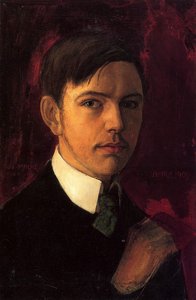
As one moves through the chronological landscape of the museum, the atmosphere shifts from the contemplative to the explosive. The twentieth century arrives with a sudden, breathtaking vitality through the works of Der Blaue Reiter and Die Brücke . The presence of August Macke’s compositions brings a surge of color and emotion, where the canvas becomes a battlefield of raw impulse and experimental form. These Expressionist visions, characterized by their defiance of academic rigidity, provide a thrilling tension against the more structured traditions of the past. For the collector or the lover of fine art, this juxtaposition offers a rare opportunity to witness the evolution of visual language—from the symbolic stability of the Gothic to the emotive instability of the modern age.
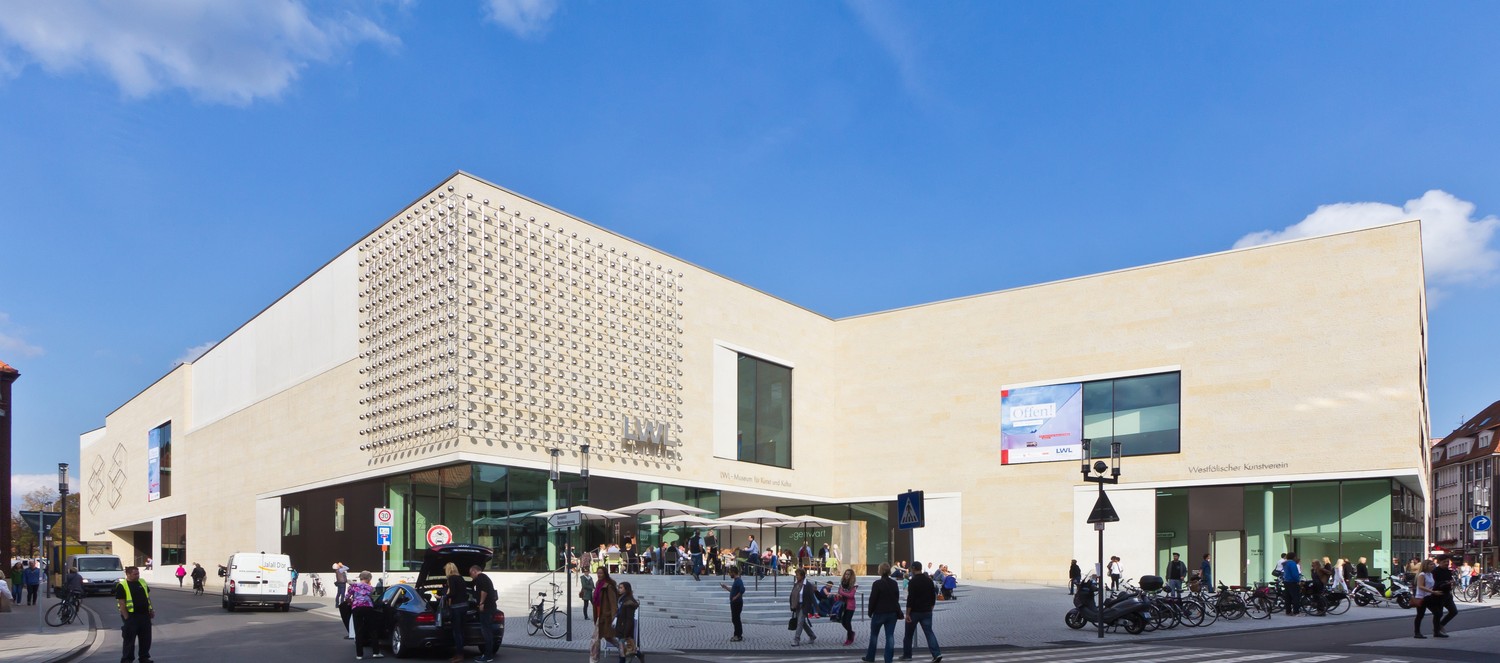
Beyond the canvases and sculptures, the museum’s very architecture acts as a silent protagonist in this cultural drama. Recently revitalized through thoughtful renovations, the building itself is a triumph of modern design, featuring luminous galleries that allow light to play across the surfaces of ancient wood and contemporary oil. The space has been meticulously reimagined to foster both discovery and dialogue, creating an environment where the archaeological treasures of Westphalia’s past can exist in harmony with cutting-edge exhibition design. For interior designers and aesthetes, the museum provides endless inspiration, demonstrating how light, space, and historical depth can coalesce to create a truly immersive atmosphere. It remains a destination where art does not simply sit on a wall, but breathes life into history, inviting every visitor to reconnect with the enduring spirit of European culture.





