

A Celestial Vision on the Brenta Canal
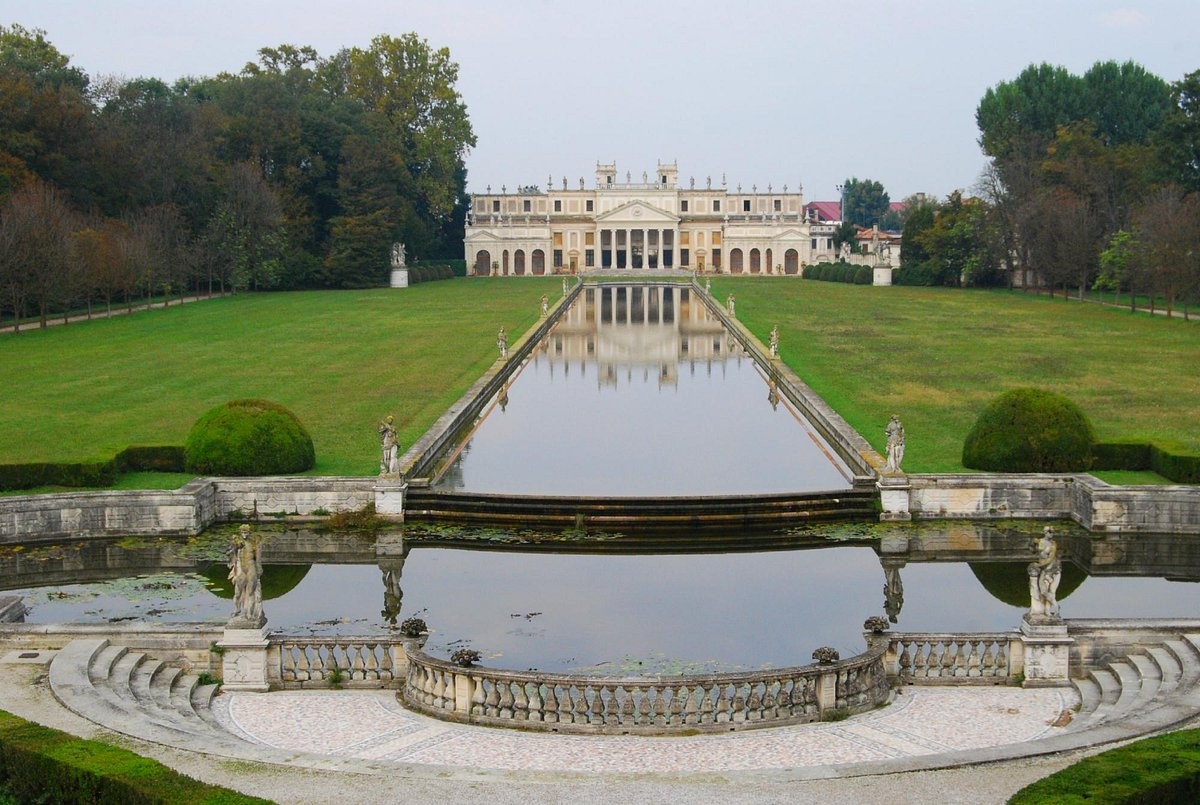
Nestled along the serene waters of the Brenta Canal, just a short journey from the vibrant pulse of Venice and Padua, lies Villa Pisani—a monument to Venetian grandeur that transcends the boundaries of mere architecture. Often whispered about in hushed, reverent tones as the “Queen of the Venetian Villas,” this estate is far more than a residence; it is a living chronicle of power, diplomacy, and unparalleled artistic ambition. Founded in 1721 for Alvise Pisani, the Doge of Venice, the villa was conceived as a stage for the ultimate display of aristocratic prestige. To walk through its gates is to step into an era where every stuccoed ornament and manicured hedge served to communicate the divine right of nobility and the sophisticated splendor of the Venetian Renaissance spirit.
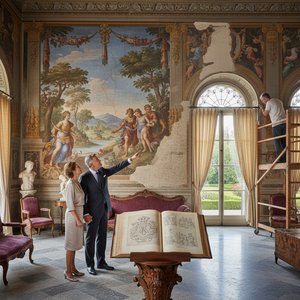
The true soul of Villa Pisani, however, resides within its breathtaking interiors, where the boundaries between heaven and earth seem to dissolve. The villa’s most profound treasure is undoubtedly the masterful work of Giovanni Battista Tiepolo. In the grand ballroom, Tiepolo’s frescoes—most notably the monumental “The Glory of the Pisani Family”—unfold like a celestial tapestry. Using a luminous palette and a dynamic sense of movement that defines the pinnacle of Venetian Rococo, the master painter transforms the ceiling into an infinite sky. For the art lover or the collector of fine aesthetics, these works offer a masterclass in light and composition, where figures appear to float amidst weightless clouds, capturing a sense of divine drama that continues to captivate the modern imagination.
A Legacy Carved in Stone and History
Beyond its aesthetic brilliance, Villa Pisani serves as a silent witness to the tectonic shifts of European history. Its halls have echoed with the footsteps of giants; it was here that Napoleon Bonaparte established his diplomatic headquarters in 1807, utilizing the villa’s opulence to negotiate treaties and forge alliances that would reshape the continent. This period of political intensity was followed by an era of royal elegance, as the estate became a favored retreat for the Habsburg monarchs and later the Savoy royal family. For the historian, the villa is a palimpsest, where layers of Napoleonic ambition, imperial luxury, and royal leisure are etched into the very fabric of the building.
The architectural silhouette of the villa, designed by the brilliant minds of Francesco Maria Preti and Giuseppe Pozzi, embodies the quintessential perfection of the Rococo style. The façade commands attention through its intricate sculpted stuccoes and a harmonious balance of proportions that invite the eye to wander across its lavish ornamentation. This architectural elegance is mirrored in the expansive windows that flood the interior with natural light, creating an interplay of shadow and brilliance that enhances the depth of the period furnishings. For interior designers seeking inspiration, the villa represents the ultimate marriage of structural grandeur and decorative intimacy.
An Oasis of Verdant Splendor
The experience of Villa Pisani is not confined to its walls but extends into a landscape designed to enchant and bewilder. The extensive gardens serve as a tranquil oasis, offering a respite from the heat of the Italian sun through a meticulously planned labyrinth of greenery. This classic maze provides a playful yet sophisticated challenge for visitors, leading them through manicured lawns, sculptural fountains, and scenic pathways that reflect the eighteenth-century ideal of aristocratic leisure. It is a space where nature is sculpted into art, providing a lush, green counterpoint to the gilded splendor of the villa’s interior.
Today, Villa Pisani remains a vibrant cultural beacon, hosting exhibitions that bridge the gap between the Renaissance and the Baroque periods. It stands as a unique destination where history, art, and nature converge, offering an immersive journey through the heart of Venetian heritage. Whether one is drawn by the technical brilliance of Tiepolo’s brushwork, the weight of Napoleonic history, or the serene beauty of its Italian gardens, the villa remains an essential pilgrimage for anyone devoted to the enduring power of classical beauty.