

Villa Madama: A Fragment of a Renaissance Dream
Perched on the sun-drenched slopes of Monte Mario in Rome, Villa Madama isn’t merely a building; it's an exquisite, unfinished poem—a testament to ambition, artistry, and the fleeting nature of perfection. Commissioned in 1518 by Cardinal Giulio de’ Medici, the future Pope Clement VII, this villa was conceived as a radical reimagining of Roman grandeur, a place where art, architecture, and nature would coalesce into an idyllic retreat – a “modern” villa echoing the descriptions of ancient marvels penned by Pliny the Younger. Its story is inextricably linked with the brilliance of Raphael, whose untimely death tragically cut short his involvement, leaving behind a legacy of breathtaking design and a tantalizing glimpse into a vision never fully realized. Today, Villa Madama stands as a poignant reminder of the High Renaissance’s boundless creativity and its inherent fragility.
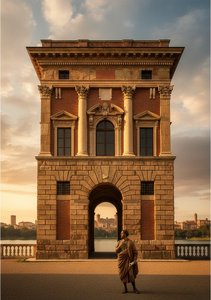
- Architectural Echoes: The villa's core architecture immediately transports you to antiquity. The most iconic feature is undoubtedly the Loggia di Raffaello – an open-air loggia designed by Raphael himself, offering a panoramic vista of Rome that frames the city as if it were a living work of art. Its graceful arches and delicate stucco reliefs evoke the grandeur of Roman baths and palaces, while the central courtyard, segmented and framed by elegant columns, is a masterful display of Renaissance architectural principles.
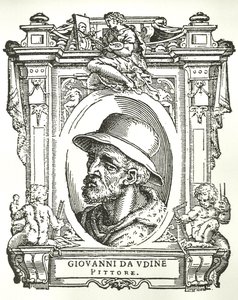
- A Collaborative Masterpiece: What truly distinguishes Villa Madama is not its individual elements but the extraordinary collaboration of artistic geniuses who brought it to life. Giovanni da Udine’s exquisite stucco work adds depth and texture throughout the villa, while Giulio Romano's frescoes in the grand Salone – a vast hall adorned with dynamic figures and dramatic narratives – showcase his mastery of Mannerist painting. The Elephant Fountain, a whimsical tribute to Pope Leo X’s gift of an elephant, further demonstrates the artists’ playful innovation.
The Story Within the Walls: A History of Papal Retreats and Artistic Rivalry
Villa Madama's history is as captivating as its architecture. Initially intended as a private retreat for the Medici family, it quickly became a hub of artistic activity and political intrigue. Following Raphael’s death, the villa passed through the hands of various noble families – the Farnese, then the Borgias – each leaving their own mark on this evolving masterpiece. A particularly turbulent period arrived with the Sack of Rome in 1527, during which significant portions of the villa were damaged by fire and pillage. Despite these setbacks, construction continued intermittently for decades, resulting in a fascinating blend of influences and styles. The villa’s ownership ultimately shifted to the Italian government in 1941 under Mussolini, who utilized it as a venue for official events, further solidifying its place within Rome's historical narrative.
- Papal Influence: For centuries, Villa Madama served as a favored retreat for Popes and their families. Its serene gardens and elegant interiors provided a sanctuary from the pressures of papal court life.
- A Stage for Artistic Rivalry: The construction process was often fraught with disputes between competing artists, each vying to contribute their unique vision to the villa’s design. This creative friction ultimately enriched the villa's character, resulting in a remarkably diverse and layered aesthetic.
Gardens of Illusion: A Terraced Vision
The gardens of Villa Madama are not merely decorative; they represent a carefully orchestrated illusion—a deliberate attempt to recreate the grandeur of ancient Roman landscapes. Originally conceived as terraced gardens cascading down Monte Mario, these spaces were designed to mimic the vistas described by classical authors and evoke a sense of boundless space and tranquility. While much of the original layout has been lost or altered over time, remnants of the terracing, fountains, and sculpted pathways can still be discerned, offering a tantalizing glimpse into this once-magnificent landscape.
- The Elephant Fountain: A whimsical centerpiece of the garden is the Elephant Fountain, commissioned by Pope Leo X in honor of an elephant gifted to Rome. This playful sculpture serves as a reminder of the villa’s origins as a celebration of Roman grandeur.
- A Lost Paradise: The gardens were once renowned for their intricate water features and carefully cultivated flora, creating a harmonious blend of art and nature. Today, visitors can appreciate the enduring beauty of this landscape while imagining its former splendor.
Exhibitions and Unique Experiences
Access to Villa Madama is currently limited, reflecting the ongoing efforts to preserve this fragile historical treasure. However, occasional exhibitions are held within the villa’s walls, showcasing a selection of artifacts and artworks related to its history and artistic significance. The Italian Ministry of Foreign Affairs utilizes the villa as an official venue for international events and press conferences, offering visitors a rare opportunity to experience this remarkable space in a contemporary context. Guided tours (when available) provide invaluable insights into the villa’s architectural details, artistic treasures, and rich historical narrative.
- Limited Access: Due to preservation concerns, access is restricted and often requires prior permission from the Ministry of Foreign Affairs.
- Special Events: Keep an eye on the Italian Ministry of Foreign Affairs website for announcements regarding upcoming exhibitions and events at Villa Madama.
A Timeless Legacy
Villa Madama stands as a poignant symbol of Renaissance ambition, artistic innovation, and the enduring legacy of Rome’s cultural heritage. Despite its incomplete state, it remains a captivating destination for art lovers, historians, and anyone seeking to experience the beauty and complexity of this extraordinary villa—a fragment of a dream that continues to inspire awe and wonder centuries later.