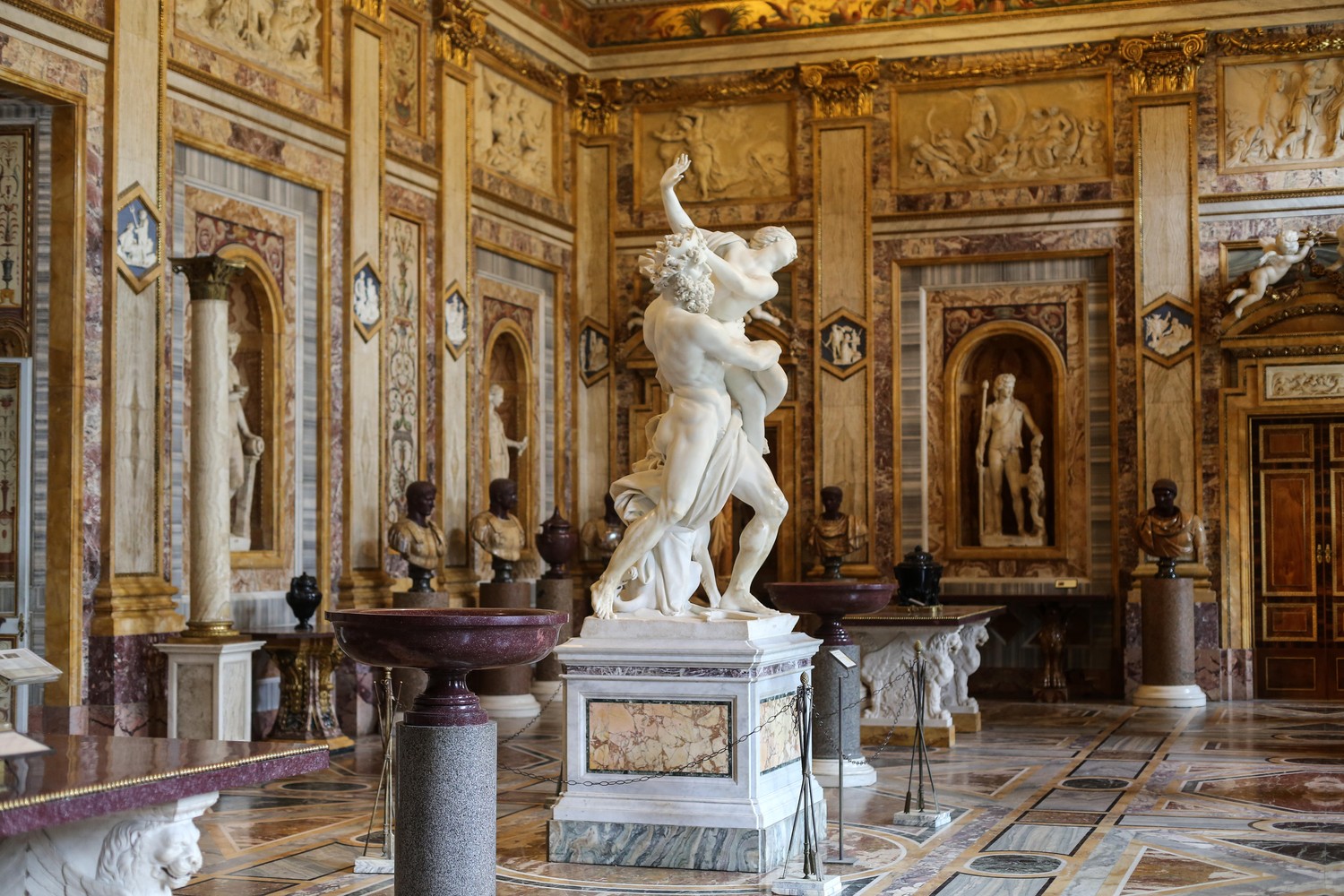
Villa Borghese: A Symphony of Light and Stone
The Villa Borghese in Rome isn’t simply a museum; it's an immersion—a journey into the heart of Baroque splendor nestled within one of Europe’s most enchanting gardens. Originally conceived as a pleasure-seeking retreat for Cardinal Scipione Borghese in the early 17th century, the villa and its surrounding landscape have evolved over centuries into a cultural beacon, now welcoming visitors to experience a world where art and nature intertwine seamlessly. The very air seems to hum with echoes of artistic genius, from the dramatic chiaroscuro of Caravaggio to the dynamic energy captured in Bernini’s sculptures. The Galleria Borghese, housed within this magnificent structure, stands as a testament to the discerning eye and ambitious patronage of the Borghese family, whose collection forms the core of its breathtaking holdings. It's a place where history isn’t merely observed; it’s felt, breathed, and absorbed with every step taken through opulent halls and verdant grounds.
-
A Legacy of Patronage:
The Borghese Collection began in 1623 when Cardinal Scipione Borghese commissioned Gian Lorenzo Bernini to sculpt Apollo and Daphne—a masterpiece that embodies the Baroque fascination for mythological narratives rendered with unparalleled realism. Subsequent generations continued to enrich the collection, securing loans from artists like Titian and Correggio, establishing Villa Borghese as one of Rome’s foremost artistic treasures.
-
Bernini's Sculptural Drama:
David is arguably Bernini’s most iconic work, capturing a moment of intense concentration—a coiled energy suggesting the battle yet to come. Unlike earlier Renaissance interpretations celebrating triumphant victory, this sculpture portrays an athlete bracing for conflict, his brow furrowed with determination. The sculptor’s mastery lies in his ability to breathe life into stone, imbuing each figure with palpable emotion and movement.
-
Caravaggio's Revolutionary Light:
Saint Jerome Writing exemplifies Caravaggio’s revolutionary use of tenebrism—a technique that heightens the drama and psychological intensity of each scene. The darkness isn't merely an absence of light; it’s an active force, shaping the narrative and drawing the viewer into the emotional core of the painting. Similarly, David with the Head of Goliath showcases Caravaggio’s masterful depiction of violence and heroism.
-
Raphael's Harmonious Beauty:
Raphael’s Deposition of Christ stands as a pinnacle of Renaissance composition and color—a serene portrayal of grief and piety. The artist skillfully employs perspective and shading to convey depth and emotion, creating an image that resonates with spiritual contemplation.
Villa Borghese Gardens: An Oasis of Baroque Landscape
The Villa Borghese’s gardens are as much a part of its artistic heritage as its paintings and sculptures. Designed initially for Scipione Borghese's pleasure, the landscape was transformed into an English garden style in the late 19th century by Prince Camillo Borghese—a deliberate effort to move away from the formal Baroque aesthetic prevalent at the time. Today, visitors can stroll along winding paths, discover hidden fountains adorned with sculptures by Bernini and Falconetti, and admire panoramic views of Rome’s skyline. The Museo Pietro Canonica, housed within Villa Borghese, offers a complementary experience showcasing the sculptor's former home and studio—a testament to the villa’s enduring connection to artistic creativity.
Notable Exhibitions & Artistic Evolution
Throughout its history, Villa Borghese has hosted numerous exhibitions celebrating Italian art from the Renaissance to the Baroque periods. Particularly noteworthy were retrospectives dedicated to Bernini and Caravaggio, which drew international acclaim and solidified the villa's reputation as a center for artistic scholarship. Furthermore, ongoing research into the villa’s architectural history reveals fascinating insights into the evolution of Roman building techniques and decorative arts—demonstrating that Villa Borghese is not merely a repository of masterpieces but also an active participant in the dialogue between art and science.
A Unique Museum Experience
Villa Borghese distinguishes itself from larger institutions through its limited visitor numbers and timed entry tickets—a deliberate strategy designed to foster contemplation and appreciation for each artwork. The villa’s tranquil setting within the expansive gardens enhances this immersive experience, inviting visitors to reconnect with nature and immerse themselves in the beauty of Roman artistic heritage. Booking tickets well in advance is highly recommended to secure a spot amongst those who seek a truly unforgettable encounter with art history.