A Symphony of Marble and Memory
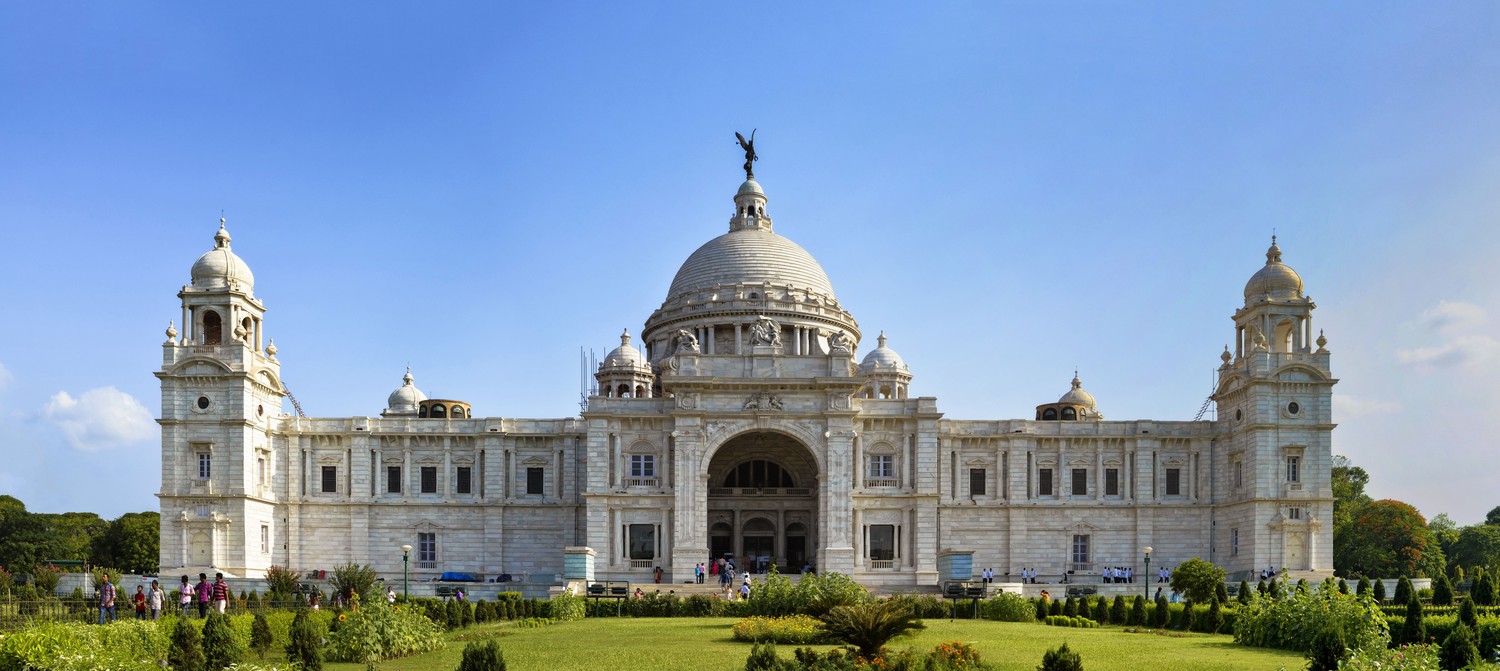
In the heart of Kolkata’s sprawling Maidan, where the city's frantic energy meets a sudden, breathless stillness, stands the Victoria Memorial Hall. It is not merely a monument of stone and mortar, but a colossal, breathing chronicle of an era defined by imperial ambition and artistic synthesis. Often whispered about as the “Taj of the Raj,” this magnificent edifice serves as a bridge between worlds. Crafted from the same luminous Makrana marble that graces the Taj Mahal, the structure possesses a spectral quality, shifting from a brilliant, blinding white under the midday sun to a soft, melancholic pearl as twilight descends. This architectural dialogue—a deliberate fusion of British grandeur and Mughal elegance—was envisioned by Lord Curzon as a symbol of unity, a way to reconcile disparate cultural traditions through the shared language of monumental beauty.
To walk through its high portals is to step into a temporal expedition, where the air seems heavy with the echoes of history. The architecture itself tells a story of meticulous craftsmanship; the central dome dominates the skyline like a crown, while delicate chattris —octagonal pavilions—punctuate the corners with a grace that softens the building's imperial weight. For the art lover and the historian alike, the interior offers a profound immersion into the complexities of British India’s twilight years. The Royal Galleries present an intimate encounter with the Victorian era, housing portraits and personal relics of Queen Victoria and her descendants, offering a glimpse into the gilded, aristocratic circles that once governed from afar.
A Tapestry of Colonial and Indian Heritage
Beyond the regal splendor of the royal collections, the museum reveals itself as a profound repository of the subcontinent's diverse soul. The galleries dedicated to the British Raj are particularly evocative, acting as visual windows into a vanished world. Here, sweeping oil paintings capture the vibrant, chaotic pulse of colonial India—from the sun-drenched bustle of local marketplaces to the rigid, choreographed splendor of grand ceremonial processions. These works do more than document; they capture the light, the texture, and the very atmosphere of a period in flux. Alongside these canvases, the museum preserves formidable arms, intricate manuscripts, and exquisite decorative arts that showcase a level of craftsmanship honed over centuries of Indian tradition.
The true depth of the collection, however, lies in its ability to balance the colonial narrative with the enduring legacy of Indian artistry. The museum houses an extraordinary array of Indian sculptures spanning various eras and regional styles, providing a necessary counterpoint to the imperial artifacts. This juxtaposition creates a tension that is both intellectually stimulating and visually arresting. For the collector or designer, these pieces represent more than historical relics; they are masterclasses in form, proportion, and symbolic expression, embodying an artistic lineage that predates and transcends the colonial era.
A Living Legacy of Cultural Dialogue
The Victoria Memorial Hall has never been a static mausoleum of the past; rather, it has functioned as a dynamic stage for cultural evolution. Throughout its history, notable exhibitions have breathed new life into its halls, sparking scholarly debate and public fascination. From the 1987 “Imperial Vision” exhibition, which interrogated the very foundations of India’s first national museum, to more recent celebrations like “The Art of Bengal,” the institution has consistently fostered a dialogue between Eastern and Western aesthetics. These exhibitions serve to illuminate the shifting perspectives of history, celebrating the regional mastery of Bengali painters while situating them within a global artistic context.
Today, the memorial remains a vital cultural hub, offering a tranquil sanctuary amidst the urban sprawl of Kolkata. Its expansive, manicured gardens provide a space for quiet contemplation, mirroring the architectural harmony found within the stone walls. For those who seek beauty in the intersection of history and art, the Victoria Memorial Hall stands as an enduring testament to the power of architecture to capture the spirit of an age. It is a place where memory is etched in marble, inviting every visitor to contemplate the complex, beautiful, and often turbulent tapestry of human heritage.