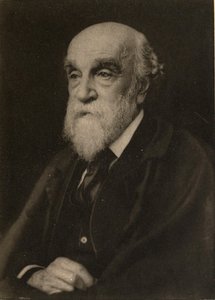
Discover Lowes Cato Dickinson (1819-1908), a Victorian portrait painter & Christian socialist linked to the Pre-Raphaelites. Founder of the Working Men's College, he captured prominent figures in art and society.
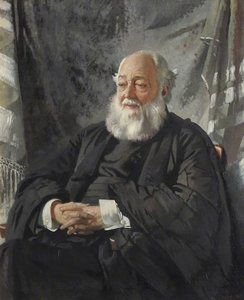
Sir Joshua Reynolds (1723-1792): Leading British portrait painter of the 18th century & first Royal Academy President. Master of the 'Grand Style', he elegantly captured nobility and shaped British art.
A Legacy Etched in Stone and Canvas: Exploring the University of Cambridge Museums
The very air around Cambridge hums with centuries of intellectual pursuit, a palpable energy that permeates not just its hallowed halls but also its remarkable collection of museums. These are not simply repositories for artifacts; they are vibrant extensions of one of the world’s oldest universities, each institution a testament to humanity's enduring quest for knowledge and beauty. To wander through them is to embark on a journey spanning millennia, from the delicate brushstrokes of Renaissance masters to the fossilized whispers of prehistoric life, all within a city steeped in academic tradition. The University of Cambridge Museums offer an experience that transcends mere observation; it’s an invitation to participate in an ongoing dialogue with history, science, and art itself. Admission is freely given, opening these treasures to all who seek inspiration and understanding.
The Fitzwilliam: A Palace for the Arts
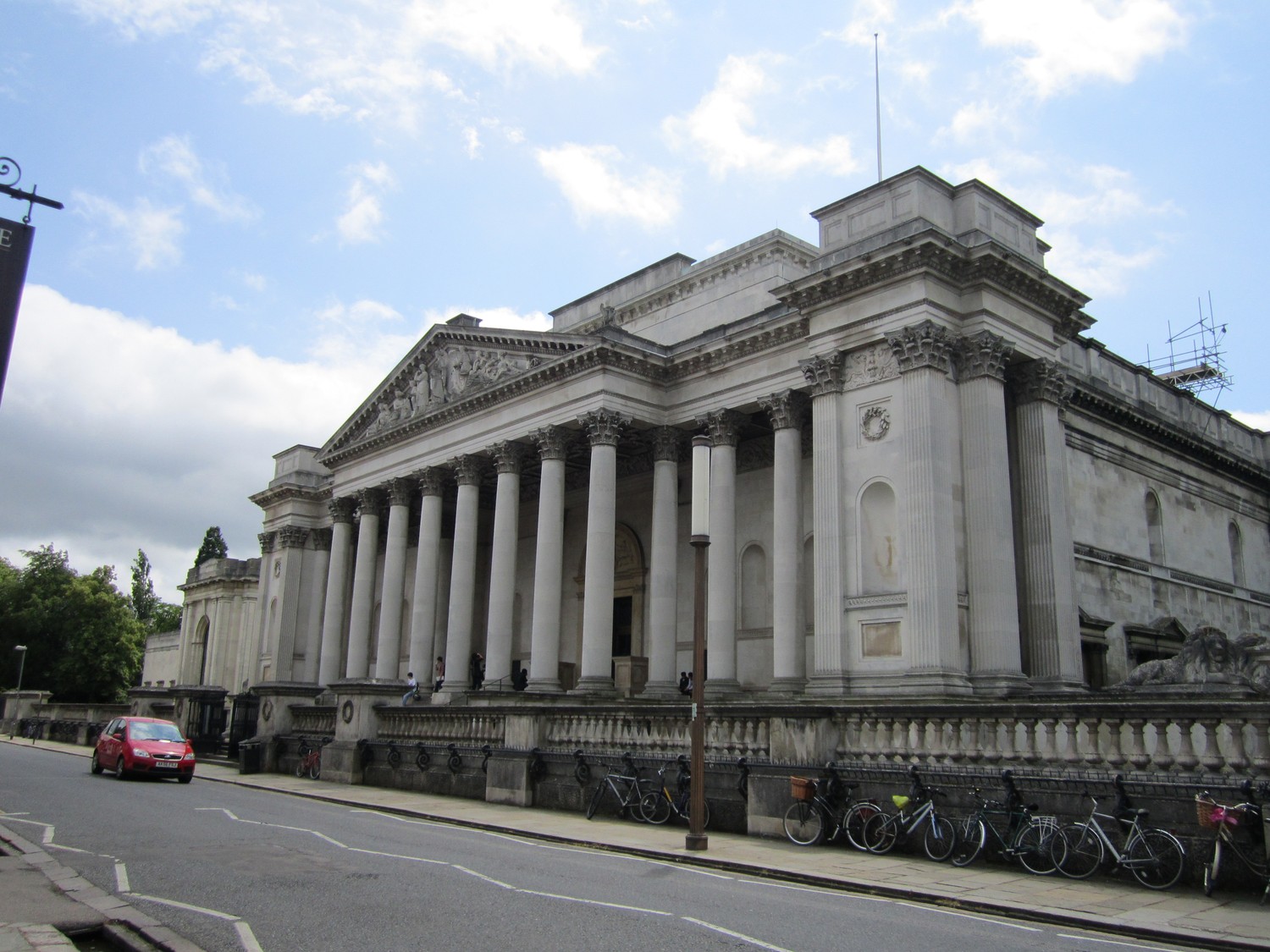
At the heart of this network lies The Fitzwilliam Museum, a neo-Renaissance masterpiece designed by Sir Richard Richardson in the 1870s. Its grand façade, constructed from creamy stone, hints at the artistic riches within. Stepping inside is akin to entering a private collection amassed over generations – an impression deliberately cultivated by its founders who envisioned a museum that would inspire both scholarly research and public enjoyment. The Fitzwilliam’s holdings are breathtaking in their scope. Paintings span centuries, offering a visual narrative of Western art from the Renaissance through Impressionism. Here, one can lose oneself in the luminous landscapes of Monet's *Water Lilies*, feeling the dappled sunlight on skin, or contemplate the profound emotional depth of Rembrandt’s *The Return of the Prodigal Son*. Beyond painting, the museum boasts an extraordinary collection of antiquities – imposing Egyptian sarcophagi that speak of ancient beliefs about life and death, exquisitely carved Greek sculptures embodying ideals of beauty and form, and intricate Roman mosaics revealing glimpses into daily life in a lost empire. Decorative arts are equally well-represented, with furniture, ceramics, textiles, and metalwork showcasing the craftsmanship and aesthetic sensibilities of different eras. The Fitzwilliam isn’t merely about displaying objects; it's about telling stories – stories of artists, patrons, civilizations, and the enduring power of human creativity.
Beyond Fine Art: Windows into Science and Nature
The University of Cambridge Museums extend far beyond the realm of fine art, offering a diverse range of specialized collections that illuminate the natural world and the evolution of scientific thought. The Department of Zoology Museum is a captivating cabinet of curiosities, housing an astonishing array of animal specimens meticulously preserved to illustrate the incredible diversity of life on Earth. From delicate butterflies pinned in display cases to imposing skeletons of extinct creatures, the museum offers a visceral understanding of evolutionary processes and ecological relationships. Similarly, the Sedgwick Museum of Earth Sciences transports visitors back millions of years through its remarkable fossil displays. Here, one can marvel at the remnants of ancient marine reptiles, trace the evolution of life forms through geological time, and gain a deeper appreciation for the forces that have shaped our planet. The Whipple Museum of the History of Science chronicles humanity’s relentless pursuit of understanding the universe, showcasing early telescopes, intricate scientific instruments, and objects that reveal the ingenuity and innovation behind groundbreaking discoveries. These museums are not static displays; they actively engage with contemporary research, offering interactive exhibits and fostering a deeper appreciation for the wonders of science.
A Botanical Sanctuary and Scholarly Havens
Offering a tranquil counterpoint to the more formal museum settings is the Cambridge University Botanic Garden. This verdant oasis, spanning 40 acres, is home to an astonishing diversity of plant life from across the globe, meticulously curated and studied by botanists and researchers. The garden’s design reflects a harmonious blend of historical influences and modern landscaping principles, creating a space for contemplation and scientific inquiry. Wandering through its themed gardens – from the fragrant Rose Garden to the exotic Palm House – is an immersive experience that awakens the senses and fosters a connection with the natural world. Complementing these larger institutions are smaller, specialized collections like those found at St Edmund’s College, which houses art and historical artifacts reflecting its unique Roman Catholic roots, and the Gray Herbarium of Harvard University, maintaining close ties with Cambridge's botanical research efforts. These pockets of knowledge contribute to the rich tapestry of scholarship that defines the university and its museums.
A Living Ecosystem of Learning
What truly distinguishes the University of Cambridge Museums is their inextricable link to academia. They are not isolated collections but integral components of the university’s research ecosystem, providing unparalleled opportunities for students and researchers to engage directly with artifacts, specimens, and historical documents. This dynamic interplay between scholarship and preservation ensures that these museums remain vibrant centers of learning and discovery for generations to come. A visit here is more than just a cultural experience; it's an invitation to participate in the ongoing story of knowledge itself – a legacy etched in stone, canvas, and the very fabric of this remarkable city.
By the OriginalUniqueArt.com Editorial Team
Art Quiz
There is only one correct answer for each question.
Question 1:
The University of Cambridge Museums are primarily known for being:
Question 2:
Which museum is described as an architectural masterpiece housing a breathtaking array of paintings?
Question 3:
What notable artist is mentioned as having works displayed at The Fitzwilliam Museum?
Question 4:
Besides art, what other areas of knowledge are represented within the University of Cambridge Museums?
Question 5:
What is a key characteristic of the University of Cambridge Museums' relationship with academia?
Question 6:
The Cambridge University Botanic Garden is described as:
Question 7:
What is one of the oldest institutions within the University of Cambridge?
Question 8:
What year was the University of Cambridge founded?
Journey through 25 iconic Claude Monet masterpieces! Explore Impressionism’s beauty, from Water Lilies to Rouen Cathedral. Discover stunning art reproductions & curated decor ideas – explore the full collection online at OriginalUniqueArt.com.

Journey through Rembrandt van Rijn's 25 most iconic paintings & etchings. Explore Dutch Golden Age masterpieces, dramatic chiaroscuro, and timeless portraits. Find museum-quality art reproductions to elevate your home decor on OriginalUniqueArt.com.

Journey through 10 iconic Impressionist landscapes by Monet, Renoir & Degas. Explore the history, techniques & emotions behind these masterpieces. Find museum-quality reproductions for your home at OriginalUniqueArt.com – where art comes to life! Discover all masterpieces on OriginalUniqueArt.com