A Sanctuary of Art Within Manchester’s Green Heart: The Whitworth
Nestled within the verdant embrace of Whitworth Park in Manchester, England, stands The Whitworth – a gallery that transcends the conventional definition of an art museum. It is not merely a repository of masterpieces, but a living, breathing space where artistic heritage intertwines with contemporary vision and natural beauty. Founded in 1889 through the generosity of Sir Joseph Whitworth and championed by Robert Dukinfield Darbishire, The Whitworth began as “The Whitworth Institute and Park,” a testament to its founders’ belief in art's power to enrich public life. From its initial opening in 1908, it has evolved into an integral part of the University of Manchester, fostering both academic exploration and community engagement. The gallery’s story is one of continuous adaptation, culminating in a transformative £15 million redevelopment completed in 2015 – a project that not only doubled its exhibition spaces but also seamlessly reconnected the building with the surrounding parkland, earning it the prestigious Art Fund Museum of the Year award. More than just a collection, The Whitworth offers an experience—a dialogue between past and present, nature and art, solitude and community.
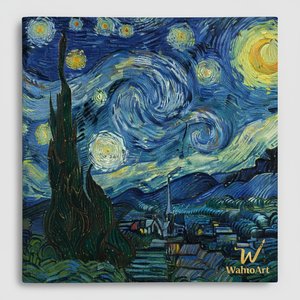
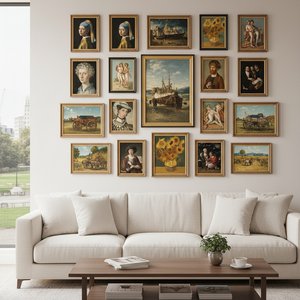
- A Tapestry of Artistic Voices: The Whitworth’s collection is remarkably diverse, spanning centuries and encompassing over 60,000 works. Here, one can journey from the delicate brushstrokes of historic masters like Thomas Gainsborough – his evocative landscapes capturing the spirit of the English countryside – and the evocative landscapes of Alexander Cozens, whose meticulously detailed botanical watercolors offer a glimpse into the world of eighteenth-century naturalism, to the revolutionary visions of modern giants such as Van Gogh, Picasso, and Gauguin. The gallery doesn’t simply present these artists in isolation; it invites dialogue between eras, revealing the enduring threads that connect artistic movements.
- Beyond Painting: A World of Textiles: What truly distinguishes The Whitworth is its exceptional holdings in textiles and wallpapers – a testament to Manchester's industrial heritage and the gallery’s commitment to showcasing decorative arts. These aren’t simply displayed; they are celebrated as art forms, revealing intricate patterns, vibrant colors, and masterful craftsmanship. From elaborate Jacobean tapestries to Art Deco wallpaper designs, the collection offers a fascinating glimpse into the world of design and its cultural significance.
- A Singular Sculpture: A particular highlight is Sir Jacob Epstein’s powerful marble sculpture, *Genesis* (1929–31), a visceral exploration of creation and humanity. The raw emotion conveyed through the figures' gestures and expressions is profoundly moving, inviting contemplation on themes of birth, struggle, and the human condition. It stands as a dramatic centerpiece within the gallery, demanding attention and sparking conversation.
Architectural Harmony: Past and Present
The Whitworth’s physical structure itself is a compelling narrative of architectural evolution. Originally constructed between 1895 and 1900 in a free Jacobean style by J.W. Beaumont, the building exudes a stately elegance with its red brick façade, terracotta dressings, and imposing towers. The recent expansion, masterfully executed by architects MUMA, is not an imposition upon this historic fabric but rather a harmonious extension. The addition of glass, stainless steel, and brick wings that flow into Whitworth Park creates a dynamic interplay between the old and new, flooding the interior with natural light and offering visitors breathtaking views of the surrounding landscape. This thoughtful design fosters a sense of openness and invites exploration, blurring the boundaries between art, architecture, and nature.
A Seamless Integration:** The expansion isn’t merely an addition; it's a carefully considered dialogue between past and present. The architects have meticulously preserved the original building’s character while incorporating modern elements that enhance its functionality and aesthetic appeal. Large windows flood the galleries with natural light, highlighting the artwork and creating a welcoming atmosphere for visitors of all ages.A History Forged in Resilience
The Whitworth’s history is not without its dramatic moments. In 2003, the gallery experienced a shocking theft when three iconic paintings – Van Gogh's *The Fortification of Paris with Houses*, Picasso's *Poverty*, and Gauguin's *Tahitian Landscape* – were stolen. Thankfully, these masterpieces were recovered shortly after, a testament to the dedication of law enforcement and the community’s unwavering support for its cultural treasures. This incident served as a catalyst for enhanced security measures but did not diminish the gallery’s commitment to accessibility; admission remains free, ensuring that art is available to all.
The Recovery and Rebirth:* The subsequent reopening, following extensive renovations, was met with overwhelming enthusiasm from the public. It symbolized not just the return of treasured artworks but also the gallery's resilience and its continued dedication to serving the community. This event further solidified The Whitworth’s position as a vital cultural hub in Manchester.Notable Exhibitions and Future Directions
The Whitworth regularly hosts a diverse range of exhibitions, both temporary and permanent, that explore a wide array of artistic themes and movements. Past exhibitions have featured works by contemporary artists alongside historical masterpieces, creating stimulating dialogues between different eras and styles. The gallery’s commitment to innovation is evident in its use of digital technology to enhance the visitor experience, with interactive displays and virtual tours offering new ways to engage with the collection. Looking ahead, The Whitworth continues to evolve as a dynamic cultural institution, committed to fostering creativity, promoting dialogue, and celebrating the enduring power of art.
- Ongoing Research: The Musgrave Kinley Outsider Art Collection remains a cornerstone of the gallery’s programming, providing a platform for artists who work outside the mainstream.
- Community Engagement: The Whitworth actively seeks to engage with the local community through workshops, educational programs, and public events.
- Future Exhibitions:* Plans are underway for a series of exhibitions exploring themes of identity, sustainability, and social justice, reflecting the gallery’s commitment to addressing contemporary issues through the lens of art.