A Sanctuary of Art and Reflection: Exploring Manchester Museum
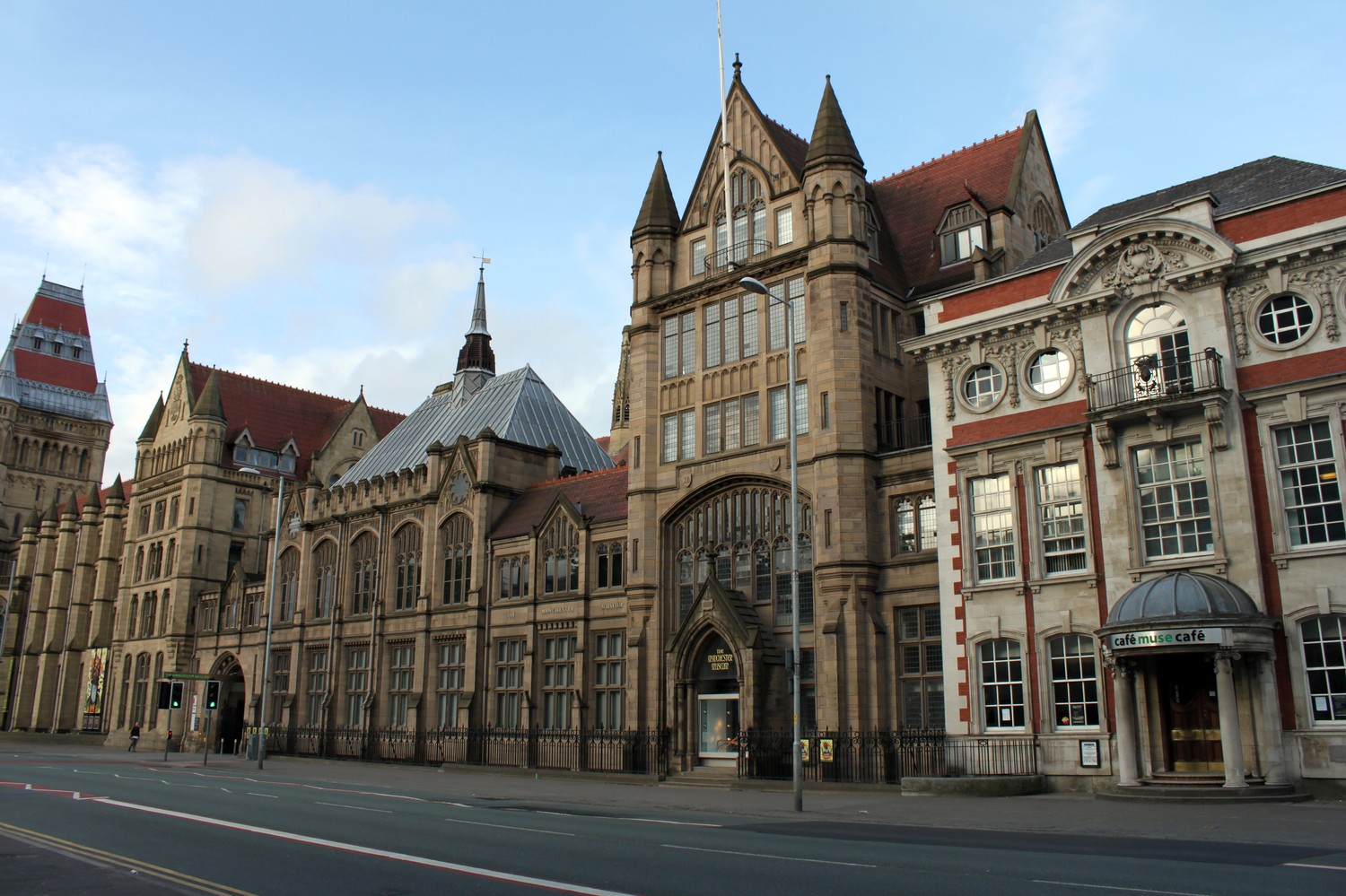
Manchester Museum stands as a testament to the enduring power of artistic expression interwoven with scientific discovery. Situated in the heart of Manchester’s historic University Quarter, this institution isn't merely a repository of artworks; it’s a vibrant hub fostering intellectual curiosity and celebrating cultural heritage spanning millennia. Founded in 1824, its origins lie in the philanthropic vision of William Henry Brooke, who established a collection of specimens from across the globe—a pioneering endeavor that continues to shape the museum’s identity today.
-
Architectural Marvel:
The building itself is an exemplar of Victorian Gothic Revival architecture, designed by Horace Walpole Ashton and completed in 1873. Its soaring nave, adorned with stained glass windows depicting biblical scenes and botanical illustrations—a deliberate nod to the museum’s natural history collections—creates a serene atmosphere conducive to contemplation and learning.
-
A Diverse Collection:
Manchester Museum boasts an impressive assemblage of artworks encompassing British Romanticism through to contemporary pieces. Notably, David Dixon Porter's monumental sculpture “The University” dominates the atrium, symbolizing the institution’s commitment to scholarship and progress. Alongside this centerpiece are significant holdings in ceramics, textiles, and decorative arts reflecting influences from Asia, Africa, and Europe.
Celebrating Artistic Legacy: Joan Hargreaves' Still Life
Among its treasures is Joan Hargreaves’ captivating “Still Life,” a masterful demonstration of Impressionistic technique. Executed in 1908, the painting captures a meticulously arranged tableau of fruit—apples, pears, plums— bathed in diffused sunlight. Hargreaves skillfully employs broken brushstrokes and subtle tonal variations to convey not just visual accuracy but also an emotional resonance, inviting viewers to appreciate the beauty inherent in everyday objects. The artwork’s palette leans towards muted yellows and greens, reflecting the natural world and highlighting Hargreaves' dedication to capturing fleeting moments of light and color.
-
Technique & Impressionism:
Hargreaves’ approach aligns perfectly with the tenets of Impressionism—a movement that prioritized capturing subjective experience over objective representation. Her brushwork is loose and expressive, prioritizing optical blending rather than precise delineation, resulting in a luminous surface texture.
-
Symbolic Resonance:
The choice of fruit itself carries symbolic weight, representing abundance, fertility, and nourishment – themes frequently explored in Victorian art. Hargreaves’ careful composition reinforces these ideas, elevating the painting beyond mere visual pleasure to convey deeper philosophical considerations.
Beyond Walls: Notable Exhibitions & Ongoing Engagement
Manchester Museum distinguishes itself through its commitment to engaging audiences with groundbreaking exhibitions and fostering dialogue about pressing social issues. Recent initiatives have tackled topics ranging from climate change to migration, utilizing art as a vehicle for promoting understanding and empathy. Furthermore, the museum actively collaborates with local communities, organizing workshops and educational programs designed to inspire creativity and cultivate appreciation for diverse cultural traditions.
-
Community Partnerships:
Collaborations extend beyond exhibitions; Manchester Museum invests in supporting artists’ residencies and fostering connections between scholars and practitioners—a testament to its belief that art plays a crucial role in shaping perspectives and enriching lives.
-
Future Visions:
Looking ahead, Manchester Museum aims to continue pushing boundaries in artistic scholarship and public engagement. Its ongoing efforts to champion inclusivity and promote critical thinking solidify its position as a beacon of intellectual curiosity within the city’s cultural landscape.
A Reflection on Artistic Inspiration
Ultimately, Manchester Museum embodies more than just an impressive collection; it represents a profound appreciation for the transformative power of art. From Horace Walpole Ashton's architectural grandeur to Joan Hargreaves’ luminous “Still Life,” each element contributes to creating an environment that stimulates imagination and encourages contemplation—a legacy destined to inspire generations of visitors to come.