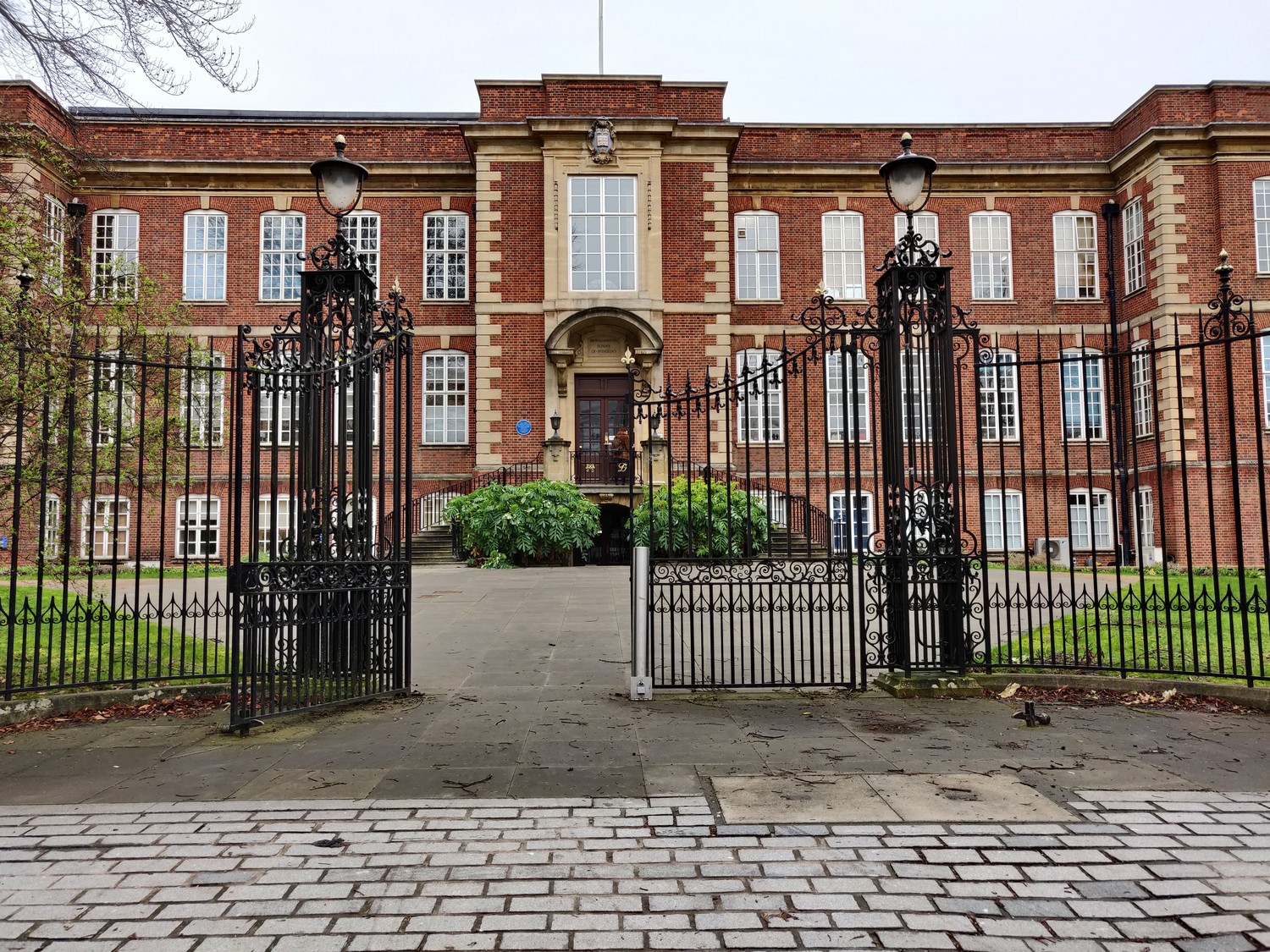


The Sir William Dunn School of Pathology: A Legacy of Scientific Innovation
Nestled in the heart of Oxford University’s Medical Sciences Division, The Sir William Dunn School of Pathology stands as a testament to groundbreaking research and enduring intellectual curiosity. More than just a building housing laboratories, it embodies a profound commitment to understanding the intricate mechanisms underpinning human health – a legacy inextricably linked to one of medicine's most transformative discoveries: penicillin.
- Historical Significance: The School’s origins trace back to 1901, established with generous endowment from Sir William Dunn, a visionary philanthropist who recognized the importance of fostering scientific advancement. Its early professors championed innovative approaches to pathology, laying the foundation for decades of pioneering research.
- Architectural Blend: The building itself reflects Oxford’s architectural heritage, evolving through successive phases to accommodate expanding research facilities. Constructed in 1927, it showcases a harmonious blend of Tudor Revival and Neo-Georgian styles—a visual embodiment of the School's dedication to tradition alongside its embrace of cutting-edge scientific exploration.
- Interdisciplinary Approach: What distinguishes Dunn School is its unparalleled collaborative spirit. Researchers from diverse disciplines – biochemistry, genetics, immunology, pharmacology – converge within its walls, fostering a dynamic environment where breakthroughs occur at the intersection of knowledge.
Collection Highlights & Notable Aspects: While not presenting public exhibitions in the conventional sense, Dunn School’s invaluable resources serve as catalysts for scientific progress. Historical specimens meticulously preserved alongside contemporary research data illuminate the evolution of medical understanding. Notably, the school's contribution to penicillin discovery remains central to its identity—a pivotal moment that reshaped global healthcare.
- Penicillin Legacy: The School’s role in harnessing Fleming’s serendipitous observation into a revolutionary antibiotic is commemorated through ongoing research projects exploring antimicrobial resistance and innovative therapeutic strategies.
- Translational Research: Dunn School prioritizes bridging the gap between laboratory discoveries and clinical applications—a commitment reflected in collaborative partnerships with hospitals and clinicians worldwide.
Notable Exhibitions & Ongoing Contributions: Recent research breakthroughs have garnered international acclaim, including studies on cilia motion and cancer biology. Furthermore, collaborations with Botnar Institute of Immune Engineering promise to propel advancements in immunotherapy—demonstrating Dunn School’s enduring influence on the future of medicine.
- Future Directions: Ongoing seminars and lectures highlight Dunn School's commitment to disseminating knowledge and fostering dialogue within the scientific community.
The Sir William Dunn School of Pathology continues to inspire generations of scientists, cementing its place as a cornerstone of Oxford University’s Medical Sciences Division—a beacon of intellectual pursuit dedicated to safeguarding human wellbeing.