Menu
FREE ART CONSULTATION

the Robert and Penny Fox Historic Costume Collection at Drexel University
Quick Facts

  • Movements:
    • arts and crafts
    • contemporary
    • contemporary realism
    • couture/fashion design
    • other
  • Art types: wallart
  • Alternate names:
    • Fox Historic Costume Collection
    • FHCC
    • Fox Costume Collection
    • Drexel Institute of Art
    • Science and Industry
  • Location: Philadelphia, United States of America
  • More…
  • Works on APS: 37
  • Featured artists:
    • Salvatore Ferragamo
    • hubert de givenchy
    • Pierre Alexandre Claudius Balmain
    • gabrielle bonheur chanel
    • James Galanos
  • Mediums: acrylic on canvas

Art Quiz

There is only one correct answer for each question.

Question 1:
What is the Robert and Penny Fox Historic Costume Collection primarily known for?
Question 2:
Approximately how many garments and textiles comprise the Collection?
Question 3:
Which era’s silhouettes are prominently featured in the Collection?
Question 4:
What distinguishes the Fox Historic Costume Collection from other museums?
Question 5:
The Collection includes pieces by designers such as Alexander Wang, Prada and Chado Ralph Rucci. What does this signify?

A Tapestry of Time: Exploring the Robert and Penny Fox Historic Costume Collection at Drexel University

Nestled within Drexel University in Philadelphia lies a remarkable repository of style and societal evolution – the Robert and Penny Fox Historic Costume Collection. More than just a museum, it’s a vibrant academic hub where the past isn't simply preserved, but actively studied, deconstructed, and re-imagined. Stepping into this world is akin to entering a time capsule, one brimming with over 14,000 garments and textiles that whisper stories of bygone eras, artistic innovation, and the ever-shifting landscape of human expression through dress. This collection stands as a testament to Drexel University’s founding vision—to cultivate intellectual curiosity and celebrate the transformative power of art and design—a legacy beautifully realized in its meticulously curated holdings.

The Collection's Treasures: A Journey Through Fashion History

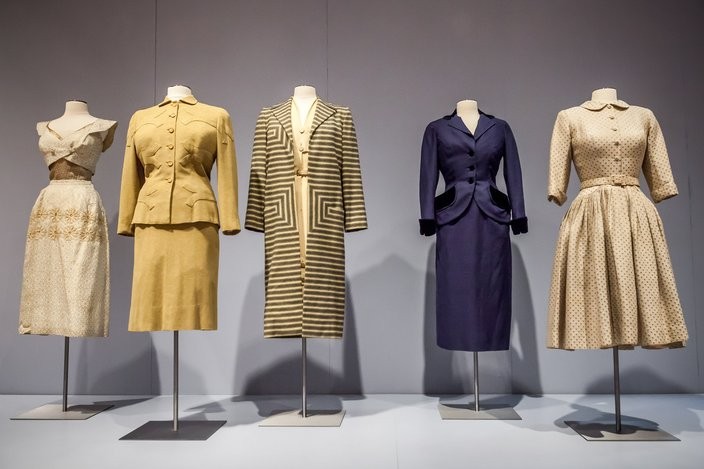
At its core, the FHCC boasts an astonishing breadth, spanning centuries of sartorial evolution. Visitors are immediately greeted by a breathtaking panorama of silhouettes – from the opulent gowns of the 18th century, shimmering silks and intricate embellishments reflecting a world of aristocratic elegance adorned with pearls and lace—to the structured forms of the Victorian era, complete with corsets, crinolines, and meticulously tailored suits embodying propriety and refinement. But the narrative doesn’t end there; it boldly extends into contemporary designs, showcasing the daring experimentation and innovative materials that define modern fashion. Particularly captivating are pieces originating from Parisian haute couture ateliers during the late 19th and early 20th centuries, offering an unparalleled glimpse into the stylistic influences shaping global trends—a direct reflection of the Belle Époque’s artistic fervor. Recent additions include garments by influential designers like Alexander Wang, Prada, and Chado Ralph Rucci, demonstrating a commitment to documenting fashion's ongoing dialogue with art and culture.

A Living Laboratory: Drexel University’s Engagement With Costume History

What truly distinguishes the FHCC is its symbiotic relationship with Drexel University’s academic programs. It isn’t merely a static display; it’s a dynamic learning environment where students in fashion design, history, and textiles engage directly with these historical artifacts. Imagine a future designer dissecting the construction of an 18th-century gown to understand pattern making techniques—or a historian analyzing fabrics and embellishments to glean insights into social status and economic conditions. This hands-on approach fosters a deeper understanding of fashion not merely as aesthetic expression, but as a powerful conduit for conveying cultural values, political climates, and technological advancements. The FHCC’s influence extends beyond the classroom; it inspires creative interpretations and fuels scholarly debates about the role of dress in shaping human experience.

Architectural Elegance: The Museum's Setting

The FHCC resides within Drexel University’s historic campus, specifically a state-of-the-art facility designed to safeguard its treasures. Constructed with meticulous attention to detail, the building incorporates Beaux Arts principles—characterized by grand proportions, symmetrical facades, and ornate ornamentation—creating an atmosphere of scholarly grandeur. Natural light floods into spacious exhibition halls, illuminating the garments with warmth and inviting visitors to contemplate their artistry and historical significance. Furthermore, the museum’s commitment to accessibility ensures that its collections are enjoyed by all, fostering a spirit of inclusivity and intellectual exploration.

Beyond Display: Exhibitions That Inspire

The FHCC actively engages the public through thoughtfully conceived exhibitions that delve deeper into specific themes—from “Philadelphia in Style,” showcasing fashion trends throughout the city's history, to explorations of costume’s role in theatrical productions and film adaptations. These presentations utilize cutting-edge multimedia technology to enrich visitor experience, bringing historical garments to life and fostering a richer appreciation for their artistic merit. Collaborations with other institutions—such as the Michener Art Museum—further expand the FHCC's reach and solidify its position as a cornerstone of fashion scholarship.

A Legacy of Philanthropy: The Fox Collection’s Founding Story

The Robert and Penny Fox Historic Costume Collection began in 1891, alongside Drexel University itself. Anthony J. Drexel, a visionary financier and philanthropist, recognized the importance of artistic education—believing that it nurtured intellectual curiosity and fostered creativity—and allocated substantial resources for acquiring art and artifacts. His generosity was further amplified by subsequent donations from Robert and Penny Fox, whose unwavering support ensured the collection’s continued growth and prominence. Today, the FHCC stands as a testament to Drexel University's enduring commitment to fostering scholarship and celebrating the transformative power of visual culture—a legacy beautifully preserved within its walls.

List of Artworks