Menu
FREE ART CONSULTATION

The Newark Museum of Art

Quick Facts

  • Works on APS: 27
  • Historical periods:
    • contemporary
    • modern
  • Alternate names:
    • The Newark Museum of Art
    • Newark Museum
    • New Jerseys largest museum.
    • The Newark Museum
  • Location: Newark, United States of America
  • More…
  • Mediums:
    • acrylic on canvas
    • marble
    • painting
    • sculpture bronze
    • textile art
  • Featured artists:
    • Winslow Homer
    • faith willi jones
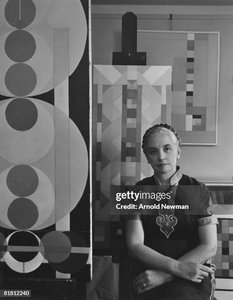
    • charmion von wiegand
    • robert charles thompson
    • Edmonia Lewis
  • Art types:
    • other
    • sculpture
    • textile
    • wallart
  • Movements:
    • art nouveau
    • color field painting
    • contemporary art
    • contemporary realism
    • native american folk art

Art Quiz

There is only one correct answer for each question.

Question 1:
What was the initial inspiration for establishing The Newark Museum of Art?
Question 2:
Which architect designed the permanent building housing The Newark Museum of Art?
Question 3:
The museum’s collection includes masterpieces by artists such as Thomas Cole and Albert Bierstadt. What artistic movement is characterized by these landscapes?
Question 4:
The Newark Museum of Art distinguishes itself through its interdisciplinary approach. What does this mean?
Question 5:
The museum’s Tibetan art collection houses over 5,000 objects. What is a notable feature of this collection?

A Beacon of Culture: Exploring The Newark Museum of Art

The city of Newark, New Jersey, pulses with a vibrant energy, and at its heart lies a cultural treasure—The Newark Museum of Art. More than just a repository of objects, this institution is a dynamic space where art, science, history, and technology converge, fostering both intellectual curiosity and profound aesthetic appreciation. As the state’s largest museum, it stands as a testament to the power of collecting, preservation, and accessible education, inviting visitors on a journey through diverse cultures and eras. From its humble beginnings in 1909, conceived by librarian and reformer John Cotton Dana within the walls of the Newark Public Library, the Museum has blossomed into a landmark destination, reflecting the evolving spirit of both the city and the nation. Initially fueled by a remarkable collection of Japanese prints, silks, and porcelains gifted by a local pharmacist, it quickly outgrew its initial space, finding a permanent home in a purpose-built structure on Washington Park in the 1920s—a gift from Louis Bamberger, and designed by the renowned architect Jarvis Hunt.

A Tapestry of Collections: From Ancient Worlds to Modern Visions

The Newark Museum’s strength lies in its remarkably diverse holdings. For those drawn to American artistry, a captivating narrative unfolds through masterpieces by luminaries such as Hiram Powers, whose neoclassical sculptures embody grace and idealism; the romantic landscapes of Thomas Cole and Albert Bierstadt, capturing the sublime beauty of the American wilderness; and the sophisticated portraits of John Singer Sargent and Mary Cassatt, offering intimate glimpses into Gilded Age society. The collection doesn’t stop there, extending through the evocative cityscapes of Edward Hopper and Childe Hassam, the pioneering abstraction of Georgia O’Keeffe, and the bold experimentation of Joseph Stella, Tony Smith, and Frank Stella. However, it is perhaps the Museum’s Tibetan art collection that truly sets it apart on a global scale. Housing over 5,000 objects—paintings, sculptures, ritual implements, textiles, and decorative arts—it offers an immersive experience into the spiritual world of Tibet, uniquely enhanced by an in-situ Buddhist altar consecrated by the Dalai Lama himself. Beyond these cornerstones, visitors will discover compelling collections of African art, showcasing the continent’s rich artistic heritage; exquisite examples of decorative arts spanning centuries and cultures; and a vibrant array of contemporary works that challenge perspectives and reflect the complexities of modern life.

Architectural Legacy: Hunt’s Vision for Artistic Engagement

The Museum’s building itself is an integral part of its story, conceived by Jarvis Hunt—a celebrated architect known for blending Beaux-Arts grandeur with modernist innovation. Completed in 1926 thanks to a generous donation from Louis Bamberger, it stands as a symbol of Newark’s ambition and artistic aspirations. The structure incorporates elements reminiscent of European palaces alongside expansive windows that flood the galleries with natural light, creating an environment conducive to contemplation and artistic appreciation. Notably, the former YMCA building was seamlessly integrated into the complex during subsequent expansions, reflecting the city's commitment to community wellbeing alongside its cultural pursuits.

Notable Exhibitions & Artistic Exploration

Throughout its history, The Newark Museum of Art has hosted groundbreaking exhibitions that have captivated audiences worldwide. From retrospectives celebrating iconic artists like Georgia O’Keeffe and Frank Stella to immersive explorations of Tibetan Buddhism and contemporary art installations, the Museum consistently pushes boundaries and stimulates dialogue about artistic expression and cultural understanding. Recent shows have focused on themes of identity, social justice, and environmental stewardship, demonstrating the institution's dedication to engaging visitors in meaningful conversations about pressing issues facing our time.

A Community Hub & A Future Illuminated

Today, The Newark Museum of Art continues its mission as a vital resource for the city and region—hosting educational programs, fostering artistic collaborations, and welcoming visitors from all backgrounds. Its reopening in February 2018 after extensive renovations underscored its commitment to accessibility and inclusivity, ensuring that everyone can experience the transformative power of art. As it looks ahead, The Newark Museum of Art envisions a future where creativity flourishes, knowledge expands, and cultural heritage inspires generations to come—a beacon of artistic excellence nestled within the heart of Newark.