The National Trust For Scotland: A Legacy of Landscape and Art
Nestled in the heart of Aberdeenshire, Inverurie’s branch of The National Trust for Scotland stands as a testament to Scotland's enduring fascination with both its dramatic natural beauty and its rich artistic heritage. Established in 1931 as a response to growing anxieties about preserving Scotland’s cultural treasures amidst rapid industrialization, the Trust has evolved into one of Britain’s foremost conservation organizations—a beacon for safeguarding places that resonate deeply with history and imagination.
-
A Landscape Shaped by Time:
Inverurie's contribution to the broader Trust mission is palpable in its stewardship of expansive landscapes like Mar Lodge Estate, renowned for its Caledonian pine forest and breathtaking vistas, and Glen Coe National Nature Reserve, where visitors can immerse themselves in the haunting grandeur of Scotland’s most iconic mountain glen. These sites aren’t merely protected; they are actively nurtured to ensure their beauty—and biodiversity—continues to inspire generations to come.
-
Castles That Whisper Tales:
Inverurie's portfolio includes formidable castles like Craigievar Castle, a Gothic masterpiece perched precariously on Loch Moray’s shores, and Fyvie Castle, famed for its opulent interiors and captivating stories of Scottish royalty. Each castle embodies architectural innovation alongside narratives of power struggles and aristocratic life—a visual chronicle of Scotland’s turbulent past.
-
Celebrating Artistic Expression:
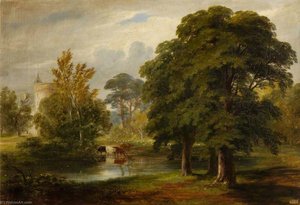
Beyond the grandeur of stone and timber, Inverurie’s collection spotlights significant examples of Scottish painting. Notably, “National Trust Grottesca” by Carl Laubin, a vibrant depiction of garden architecture, exemplifies the Trust's commitment to documenting Scotland’s artistic landscape. Furthermore, The Interior of The National Gallery of Scotland, featuring Stanley Cusiter’s masterful composition, underscores the importance of visual arts in conveying cultural understanding and aesthetic appreciation.
-
A Community Rooted in Heritage:
What distinguishes Inverurie’s branch from similar organizations is its profound connection to local communities. Like all Trust properties, it thrives on volunteer involvement—individuals passionate about preserving Scotland's heritage who contribute their expertise and enthusiasm to ongoing conservation efforts. This collaborative spirit ensures that Inverurie’s legacy extends far beyond its physical boundaries.
-
Echoes of Rebellion:
The history of Inverurie is inextricably linked to pivotal moments in Scottish history, most notably the Battle of Inverurie (1308) and 1745—battles that shaped Scotland's identity and left indelible marks on its landscape. Visiting Inverurie allows visitors to step back into these dramatic narratives, fostering a deeper appreciation for Scotland’s cultural resilience.
The Inverurie branch of The National Trust For Scotland isn’t simply preserving buildings; it’s safeguarding stories—stories etched in stone, painted onto canvases, and whispered on the windswept hillsides of Aberdeenshire. It invites exploration, contemplation, and a reconnection with Scotland's captivating past.