The Met Cloisters: A Sanctuary of Stone and Spirit
Stepping into The Met Cloisters is akin to crossing a threshold—not merely into another building, but into another time. Perched high in Fort Tryon Park overlooking the Hudson River, this remarkable branch of the Metropolitan Museum of Art isn’t simply a repository for medieval art and architecture; it's an immersive experience, a carefully constructed illusion that transports visitors to the heart of Europe’s Middle Ages. The very air seems different here, imbued with a sense of tranquility and contemplation fostered by centuries-old stone, hushed galleries, and sun-dappled gardens.
The story of this unique museum begins with George Grey Barnard, an American sculptor possessed by a fervent passion for medieval art. Barnard wasn’t content merely to admire these relics of the past; he sought to *live* amongst them. Beginning in the early 20th century, he embarked on a remarkable quest across France, acquiring not just individual artifacts but entire cloisters—the covered walkways integral to monastic life—from crumbling abbeys and churches. These weren’t pristine monuments; they were fragments of history, weathered by time and bearing the marks of centuries. Barnard envisioned a museum built around these architectural treasures, a place where visitors could experience the spiritual atmosphere of medieval monasteries firsthand. In 1925, he sold his collection to John D. Rockefeller Jr., whose vision and generosity ultimately brought Barnard’s dream to fruition.
### Architecture as Atmosphere
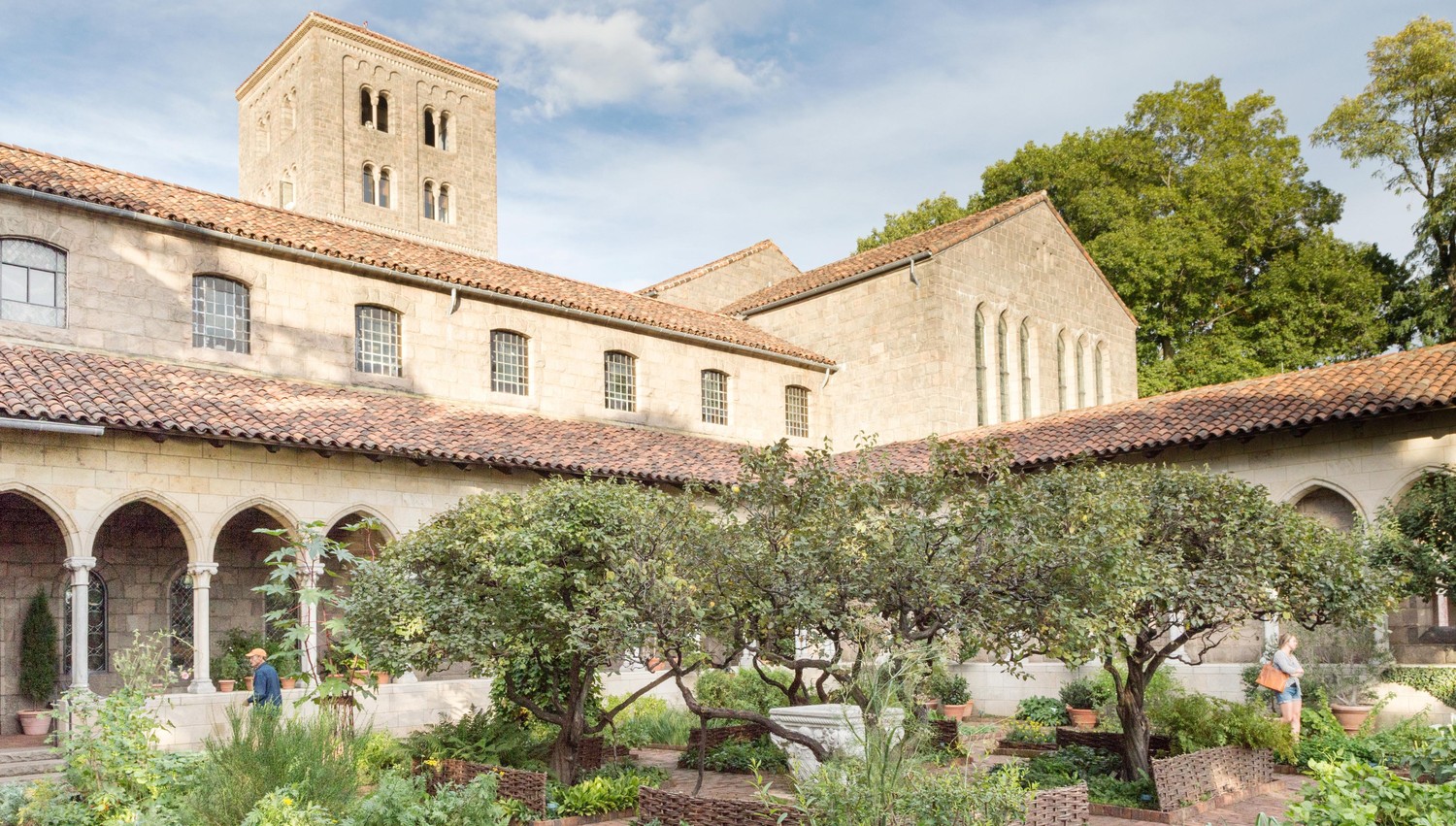
What truly sets The Cloisters apart is its architectural audacity. It isn't a museum *housing* medieval elements; it *is* constructed from them. Four actual cloisters—Cuxa, Saint-Guilhem, Bonnefont, and Trie-sur-Baïse—form the heart of the complex, their stone arcades framing breathtaking views of the Hudson River and surrounding parkland. These aren’t replicas or reconstructions; they are authentic pieces of history, painstakingly dismantled in France and reassembled in New York City. Architect Charles Collens masterfully integrated these disparate elements into a cohesive whole, designing buildings that echo the forms and proportions of medieval monastic structures. The use of stone, the play of light and shadow, even the carefully cultivated gardens—all contribute to an atmosphere of serene reverence.
### Treasures of Medieval Art: A Journey Through Time
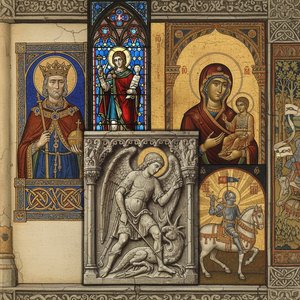
Wandering through the galleries, one encounters masterpieces like the breathtaking Unicorn Tapestries, a series of seven Flemish tapestries dating from the late 15th century. These enigmatic works, rich in symbolism and vibrant color, depict a hunt for the elusive unicorn—a creature often associated with Christ and purity. The Mérode Altarpiece, an Early Netherlandish painting considered a pivotal work in the development of oil painting, offers a glimpse into domestic life during the 15th century. Beyond these iconic pieces, The Cloisters boasts a remarkable collection of medieval sculpture, illuminated manuscripts brimming with intricate detail, and countless other treasures that illuminate the artistic and spiritual world of the Middle Ages. Each piece tells a story—a tale of faith, craftsmanship, and cultural exchange across generations.
### A Legacy of Faith and Art
The Met Cloisters is more than just an art museum; it’s a testament to the enduring power of faith, artistry, and human vision. It's a place where one can lose oneself in the beauty of stained glass, marvel at the skill of medieval craftsmen, and contemplate the mysteries of the past. It stands as a unique cultural landmark, offering an unparalleled opportunity to connect with the artistic and spiritual heritage of medieval Europe—a journey through time that resonates deeply within the bustling landscape of modern New York City. The museum’s curators strive to present these artworks in context, illuminating their significance within the broader history of European culture.
### Planning Your Visit: Exploring Medieval Splendor
The Met Cloisters is open daily. Check the official Metropolitan Museum of Art website for current hours, admission fees, and special exhibitions: https://www.metmuseum.org/plan-your-visit/met-cloisters. Don’t miss the opportunity to stroll through the gardens—a tranquil oasis designed to evoke the spirit of medieval monastic life—and delve into the fascinating stories behind these extraordinary artworks.