A Legacy of Industry and Artistic Vision
Nestled within the serene, verdant beauty of Point Breeze, Pittsburgh, The Frick Pittsburgh stands as far more than a mere repository for fine art; it is an immersive journey into the very heart of America’s Gilded Age. This era, defined by its audacious industrial ambition and breathtaking artistic patronage, finds its most profound expression within this historic complex. Founded upon the vision of Henry Clay Frick , a titan of steel and coke, the estate embodies a singular cultural ethos: the belief that the relentless march of progress should always be accompanied by aesthetic refinement. To step onto these grounds is to encounter a legacy where economic power was intentionally wedded to a discerning appreciation for beauty, creating a sanctuary where history and art breathe in unison.
The centerpiece of this experience is Clayton , Frick’s meticulously preserved mansion, which transports visitors back to the late nineteenth century. A masterpiece of Beaux-Arts design conceived by the prominent architect Frederick J. Osterling , the mansion’s limestone façade reflects the grandeur and solidity associated with the industrial triumphs of the age. Yet, beneath its imposing exterior lies a delicate balance of formality and tranquility. Expansive windows overlook meticulously landscaped gardens, designed to bathe the opulent interiors in natural light, while soaring ceilings and rich textures speak to Frist's desire to surround himself with elegance. For the interior designer or lover of classical architecture, Clayton serves as an unparalleled study in how space, light, and material can be orchestrated to inspire creativity and reflect status.
Treasures of the Human Spirit
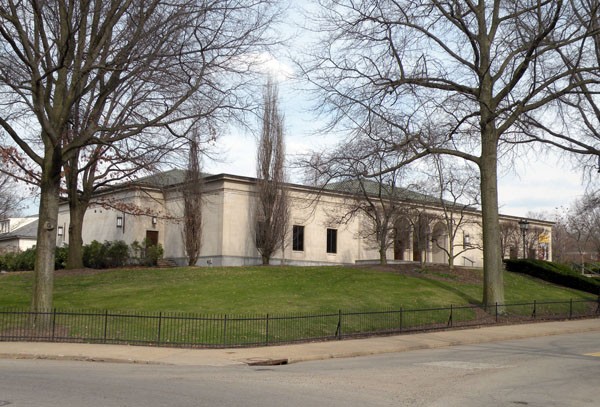
Beyond the architectural splendor of the mansion, the Frick Art Museum houses a remarkable collection that spans centuries and continents, offering a curated dialogue between different eras of human expression. The collection is anchored by profound masterpieces, such as Jean-François Millet’s “The Gleaner,” an iconic depiction of rural labor that serves as a poignant reminder of the human element amidst the backdrop of industrial progress. This sense of intimacy extends to the museum's exquisite works on paper by Millet, which offer a sensitive portrayal of the natural world and the rhythms of life. Visitors may also find themselves captivated by the timeless elegance of Renaissance bronzes or lost in the fleeting, emotive moments captured within Impressionist canvases.
The museum’s holdings further celebrate the grandeur of European heritage, featuring treasures from Baroque Italy, such as Giovanni Battista Tiepolo’s “The Triumph of Saint Peter.” This breadth of collection—ranging from the delicate to the monumental—ensures that every visitor finds a point of emotional connection. For collectors and scholars alike, the museum provides a rare opportunity to witness how the patronage of a single individual could foster a global artistic dialogue, preserving works that continue to resonate with contemporary sensibilities.
Innovation and Enduring Heritage
The cultural significance of The Frick Pittsburgh extends beyond the canvas and into the evolution of modern life through The Car and Carriage Museum . This fascinating tribute to technological innovation traces the transformative impact of transportation on society during the Gilded Age. Here, one can witness the transition from the aristocratic elegance of horse-drawn carriages to the pioneering electric vehicles that signaled the dawn of a new era. These luxurious touring cars are presented not merely as machines, but as symbols of prestige and forward-thinking progress, illustrating how technological shifts reshaped daily existence and spurred economic growth.
This entire cultural ecosystem owes its continued vitality to the unwavering dedication of Helen Clay Frick . Recognizing the historical importance of her father’s estate, she tirelessly championed its preservation, transforming Clayton from a private family residence into a public treasure. Today, The Frick Pittsburgh remains a vibrant center for art scholarship and cultural engagement—a testament to a family vision that sought to ensure that the beauty of the past would continue to educate, inspire, and enrich future generations.