



A Presence Along the Thames
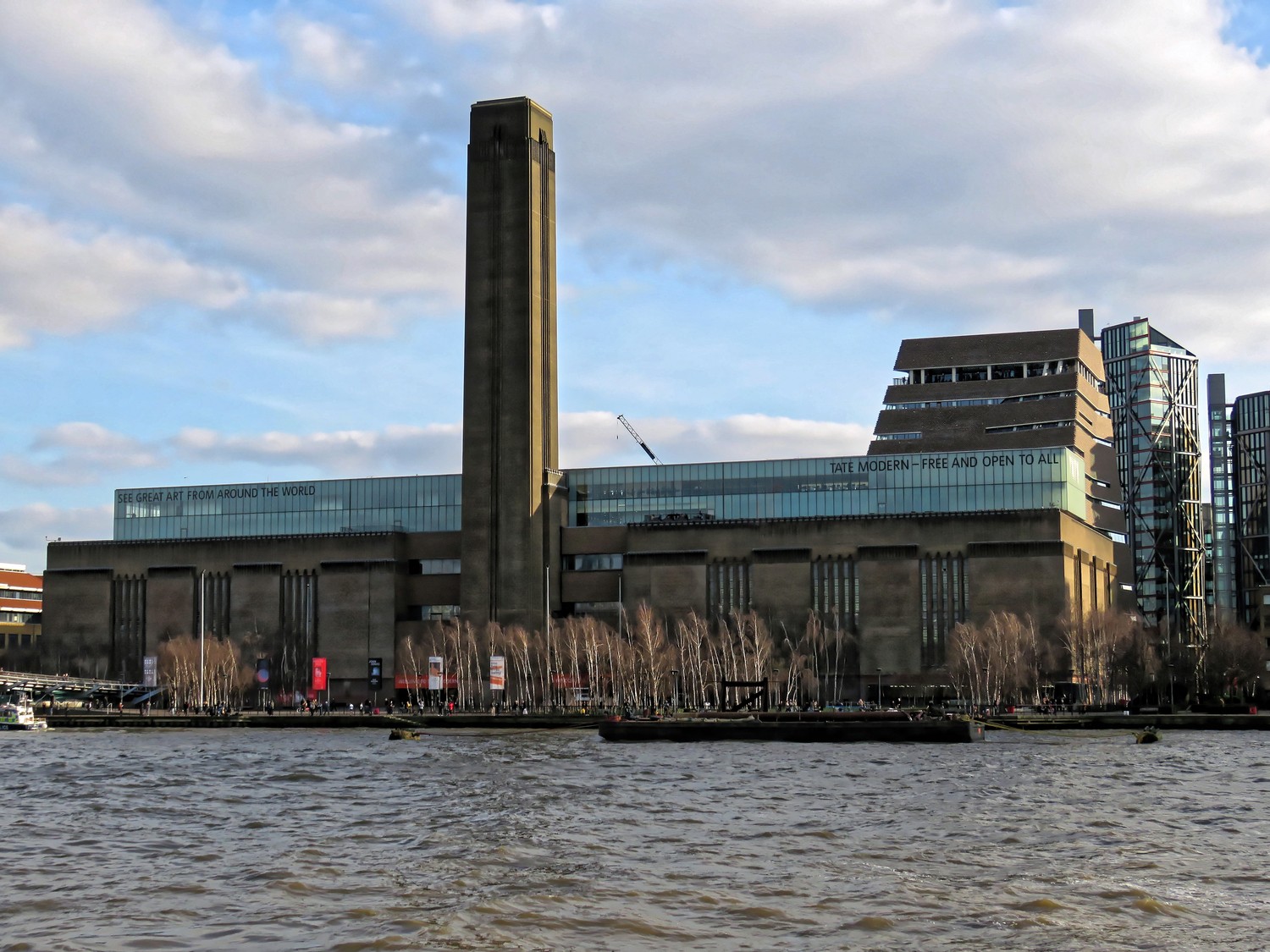
The Tate Gallery sits along the gentle curve of the Thames in Millbank, London. The architecture presents a layered narrative where neoclassical grandeur meets postmodern experimentation. Sidney R. J. Smith’s original design features imposing columns and expansive porticos that suggest an air of imperial ambition. This classical facade finds a sharp contrast in James Stirling’s Clore Gallery, which introduces unconventional materials and spatial arrangements into the landscape. The building itself reflects a tension between honoring tradition and embracing new intellectual curiosities.
Walking through these halls, one moves from the heavy, historical weight of the original structures toward the daring interventions of later decades. The light shifts as you transition between the soaring ceilings of the older wings and the more experimental spaces. It is a place where the physical environment mirrors the evolution of the art it holds.
The British Collection
The collection spans over six centuries of British expression, moving from the meticulous panel paintings of the Tudor period to the emotionally charged portraits of the twentieth century. The museum holds significant works by J.M.W. Turner, including Snow Storm – Steamers on Red Wharf, which demonstrates a revolutionary approach to light and color. These landscapes capture a sense of movement and drama through precise brushwork.
Other notable pieces within the galleries include:
- The evocative Pre-Raphaelite paintings that focus on mythology and romanticism.
- David Hockney's works reflecting the dynamism of post-war Britain.
- Salvador Dalí’s Cannibalism in Autumn, a work born from the anxieties of the Spanish Civil War.
- Georges Braque’s Mandola, a 1910 piece that utilizes fractured planes and muted ochre tones to deconstruct form.
- Camille Pissarro’s The Pork Butcher, an Impressionist depiction of a Parisian market stall from 1883.
The museum also houses the works of Francis Bacon and various sculptures, prints, and decorative arts. The presence of the Turner Prize exhibitions brings a focus on contemporary British achievement to the halls, connecting the historical holdings with the current artistic dialogue.


