A Sanctuary of Light and Legacy
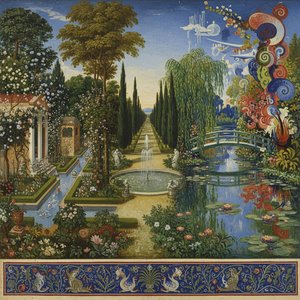
In the heart of Tyne and Wear, where the industrial pulse of North East England meets a profound reverence for the past, stands the Sunderland Museum & Winter Gardens . It is morever than a mere repository of artifacts; it is a living narrative of civic pride and evolutionary wonder. To walk through its doors is to step into a space where the geological epochs of our planet converge with the delicate artistry of the Victorian era, creating an atmosphere that is simultaneously scholarly and deeply emotive. The architectural soul of the museum is perhaps its most enchanting feature, particularly the integrated Winter Garden which serves as a luminous sanctuary. Beneath soaring glass ceilings, inspired by the ethereal lightness of the Crystal Palace , the boundary between the indoors and the natural world dissolves, offering a masterclass in how light and greenery can transform a structural monument into a breathing, organic experience.
Treasures of Science and Decorative Craft
Within these walls, the collection offers a breathtaking duality between the prehistoric and the decorative. Collectors of natural history will find themselves spellbound by the museum’s singular jewel: the only known British specimen of Coelurosauravus . This fossilized gliding reptile serves as a hauntingly beautiful window into ancient flight, reminding every visitor of the miraculous adaptations that have shaped life over millennia. Yet, as one moves from the ancient to the industrial, the museum reveals the shimmering brilliance of Sunderland Lustreware . This celebrated pottery tradition features mesmerizing iridescent glazes that capture the light with a spectral glow. These pieces, often characterized by their delicate pink hues and intricate transfer-printed scenes, represent a pinnacle of nineteenth-century decorative craft, offering an exquisite tactile connection to the city's industrial heritage.
The Poetic Soul of the Industrial Landscape
The artistic prestige of the collection is further cemented by its unparalleled holdings of works by L.S. Lowry . In these canvases, the grit of the industrial landscape is transformed into something profoundly poetic. The museum’s collection of Lowry’s work presents a profound exploration of the human condition through his iconic depictions of ordinary individuals amidst the sprawling machinery of progress. For the art enthusiast or the interior designer seeking emotional resonance, these paintings are not merely observations of life; they are emotional landscapes that resonate with a timeless, melancholic beauty. To visit the Sunderland Museum & Winter Gardens is to engage in a dialogue with history, science, and soul—a journey through layers of time that leaves an indelible mark on the spirit.