


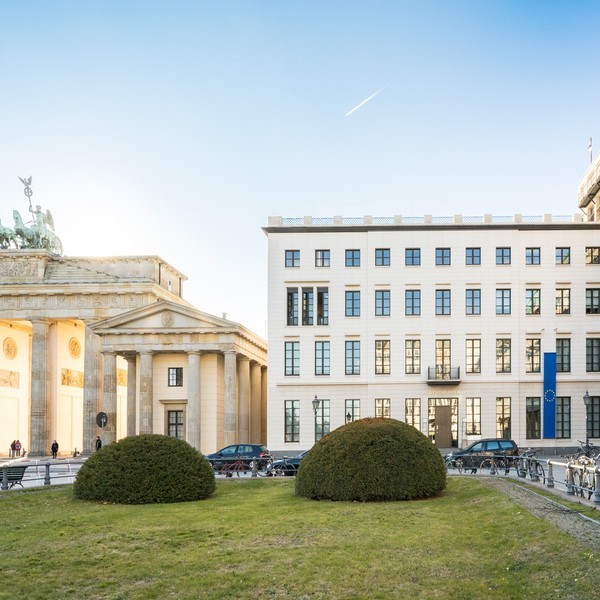
A Beacon of German Art and Remembrance
Nestled in the beating heart of Berlin, adjacent to the iconic Brandenburg Gate, the Stiftung Brandenburger Tor stands as a profound testament to Germany's enduring artistic spirit and its capacity for rebirth. More than a mere repository for artifacts, this institution serves as a vital bridge between the heavy shadows of history and the vibrant light of contemporary cultural dialogue. The foundation operates within the hallowed walls of the Max Liebermann Haus , a structure that is itself a masterpiece of modernism. Designed by the legendary Erich Mendelsohn in 1928, this Bauhaus-inspired residence offers an architectural experience defined by its soaring atrium and expansive windows, which invite the shifting Berlin light to dance across its surfaces, mirroring the museum's mission to illuminate the evolution of German identity.
Masterpieces of Emotion and Identity
The soul of the collection lies in its meticulous curation of German masterpieces that span the transformative eras of Romanticism through to the raw intensity of Expressionism. Visitors are invited to wander through a narrative of national emotion, encountering works by luminaries who redefined the boundaries of perception. One cannot encounter the institution without being moved by the expressive power of Ernst Ludwig Kirchner . His monumental painting, Brandenburg Gate in Berlin , captures the city's historic monument with a sense of solemn grandeur, utilizing bold, rhythmic brushstrokes and a muted palette to convey the psychological weight of a nation’s past.
In contrast to the urban tension found in Kirchner's work, the collection offers the delicate precision of Max Liebermann , whose portrait series masterfully unmask the inner lives of his subjects, revealing human vulnerability through subtle light and shadow. These works, alongside the provocative pieces by Otto Dix and Georg Baselitz , create a dialogue that is both deeply personal and broadly historical. For the collector or the interior designer, the institution represents a pinnacle of aesthetic inspiration, offering a profound look at how movement, color, and form can encapsulate the zeitgeist of an era.
A Living Dialogue with the Present
What truly distinguishes the Stiftung Brandenburger Tor is its refusal to remain static within the confines of the past. While it honors the masters of German heritage, the foundation thrives on the energy of the present through temporary exhibitions that tackle pressing social and political themes. These curated shows serve as intellectual crucibles, stimulating critical reflection on contemporary issues and fostering a space where art meets activism. Through its international partnerships and robust educational initiatives, the foundation continues to cultivate a global appreciation for the transformative power of art, ensuring that the legacy of German creativity remains a living, breathing force in the modern world.



