

Staffordshire County Buildings Picture Collection
The Staffordshire County Buildings Picture Collection stands as a testament to Staffordshire’s artistic spirit and enduring historical legacy—a repository of over 1800 artworks that offer an unparalleled glimpse into the region's evolution from the Victorian era onwards. Located in Stoke-on-Trent, this collection isn’t merely a display of paintings; it’s a narrative woven through time, reflecting the social fabric, cultural currents, and political dialogues that shaped Staffordshire’s identity.
A Visionary Beginning: Architectural Context & Founding Principles
Established in 1848 with the generous patronage of John Jay—a prominent businessman and philanthropist—the collection was conceived as a beacon of artistic appreciation within Stoke-on-Trent’s burgeoning industrial landscape. Designed by H.A. Hunt, whose architectural style embodies “robust Jacobean manor-house,” the buildings themselves are more than just structures; they represent an ambition to elevate Staffordshire's cultural standing alongside its economic prowess. The initial aim was to foster a sense of civic pride and celebrate Staffordshire’s heritage—a mission that continues to guide the museum’s endeavors today.
Portraiture: Capturing Dignity & Influence
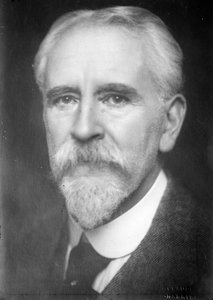
The collection's portraiture section is particularly noteworthy, boasting impressive depictions of influential figures who graced Staffordshire’s social and political stage. Among these are portraits of the Earl of Dartmouth—a statesman instrumental in shaping British policy during the Napoleonic Wars—and William Ewart Lockhart—a celebrated poet whose verses eloquently captured the spirit of Victorian England. Each canvas speaks volumes about its subject, conveying not only physical likeness but also character, ambition, and social standing.
Fine & Decorative Arts: Echoes of Diverse Styles
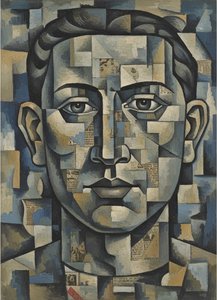
Beyond portraiture lies a rich tapestry of fine and decorative art pieces—spanning from the Victorian period to more contemporary creations. These artworks showcase stylistic influences ranging from Neo-Classical elegance to Romantic fervor, reflecting the tastes and sensibilities of Staffordshire’s artistic elite. The meticulous craftsmanship evident in each piece underscores the dedication to aesthetic excellence that characterized the era.
Historical Photographs: Visual Documentation of Change
Adding another dimension to the collection's narrative is a remarkable archive of historical photographs—dating back over 200 years. These images provide invaluable visual documentation of Staffordshire’s transformation from rural agricultural community to industrial powerhouse, capturing scenes of daily life, architectural landmarks, and significant events. Examining these photographs allows visitors to experience Staffordshire’s past as vividly as if they were present at the time.
Notable Exhibitions & Ongoing Research
The Staffordshire County Buildings Picture Collection has hosted several acclaimed exhibitions that have illuminated lesser-known artistic treasures and fostered dialogue about Staffordshire's cultural heritage. Furthermore, ongoing research—supported by collaborations with scholars and historians—continues to deepen our understanding of the collection’s significance and its role in shaping perceptions of Staffordshire’s past. The museum actively engages visitors through educational programs and interactive displays, ensuring that this extraordinary legacy inspires future generations.