The Staatliches Museum Schwerin: A Journey Through Centuries of Art and Power
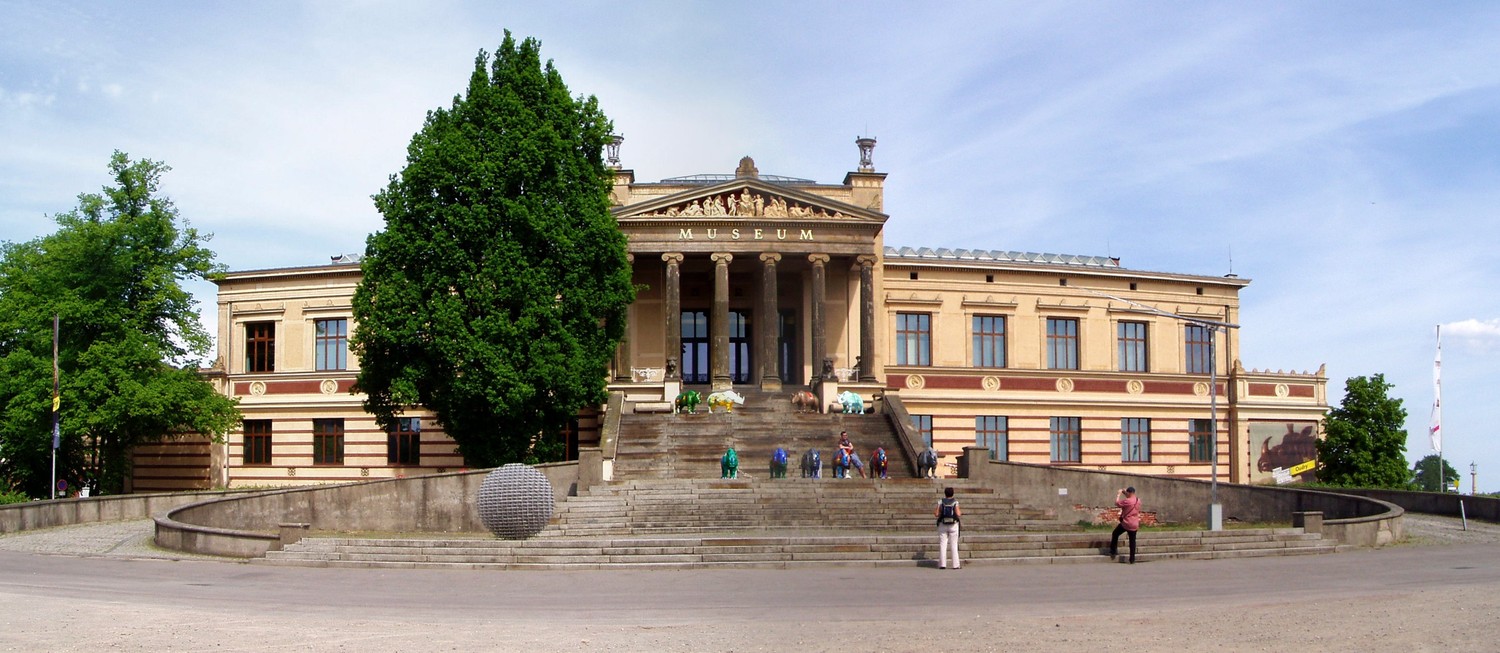
Nestled within the historic heart of Schwerin, Germany, the Staatliches Museum stands as a remarkable testament to the region’s rich cultural heritage. More than simply a repository of art, it's an immersive experience—a journey through centuries of artistic evolution, interwoven with the grandeur of Mecklenburg-Schwerin’s noble past. Established in 1882 by Grand Duke Frederick Francis II, the museum began as the Staatsgalerie adjacent to the Staatstheater and has since blossomed into a complex of interconnected spaces, including opulent palaces and residences that whisper tales of bygone eras. Today, it welcomes visitors with an extraordinary collection spanning medieval masterpieces, Dutch Golden Age paintings, exquisite Fürstenberg porcelain, and, most notably, one of Europe’s most significant holdings of works by the enigmatic Marcel Duchamp – a truly singular convergence of artistic movements.
The museum's architectural narrative is as compelling as its art. The Haupthaus, or main building, reflects the historicist style prevalent in the late 19th century, a deliberate echo of Schwerin’s aristocratic legacy. However, exploring the museum feels like stepping through time; you’ll find yourself wandering through the former residences at Schloss Güstrow and Schloss Ludwigslust, each space imbued with its own distinct atmosphere and historical significance. These locations aren't merely additions to the collection; they are integral components of the museum’s overall experience, offering a tangible connection to the lives of those who once inhabited these magnificent buildings.
Medieval Splendor: The Neustädt Altarpiece
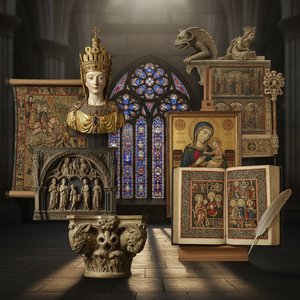
The Staatliches Museum’s medieval collection is arguably its most celebrated facet. Here, one encounters not just individual artworks but entire narratives rendered in stained glass, sculpture, and illuminated manuscripts—a vibrant window into the religious beliefs and artistic sensibilities of a bygone era. At the heart of this section lies the Neustädt Altarpiece (circa 1435-1440), a breathtaking example of late Gothic artistry. This monumental panel depicts scenes from the life of Christ, showcasing intricate detail, vibrant colors, and a profound sense of spiritual devotion. The altarpiece’s scale—over two meters high—is particularly striking, immediately transporting the viewer to a time when religious art held paramount importance in daily life. The meticulous craftsmanship and symbolic richness of the Neustädt Altarpiece are a testament to the skill and dedication of its creators, offering a poignant glimpse into the artistic conventions and theological concerns of the period.
Dutch Masters and the Golden Age
Moving through the museum’s galleries, one is immediately struck by the dazzling array of 17th-century Dutch and Flemish paintings. This collection represents the apex of the “Golden Age” of painting—a period defined by unprecedented artistic innovation, technical mastery, and a fascination with light and color. Works by renowned masters such as Rembrandt, Jan van Goyen, and Frans Hals are prominently featured, alongside lesser-known but equally accomplished artists. The paintings depict scenes from daily life, portraits of nobility, landscapes brimming with atmospheric detail, and biblical narratives rendered with remarkable realism and emotional depth. The collection offers a captivating insight into the social, cultural, and economic landscape of the Netherlands during this transformative era.
The Duchamp Legacy: A Revolutionary Collection
Perhaps the Staatliches Museum’s most distinctive feature is its extraordinary collection of works by Marcel Duchamp – an astonishing assemblage of approximately 90 pieces. This represents one of the largest and most comprehensive collections of Duchamp's work outside of America, making it a vital resource for scholars and art enthusiasts alike. The collection includes readymades, miniature sculptures, drawings, and photographs that challenge conventional notions of art and its creation. Duchamp’s influence on 20th-century art is undeniable, and the museum provides a unique opportunity to explore his radical ideas and groundbreaking techniques. The presence of this collection elevates the Staatliches Museum beyond a traditional art gallery, transforming it into a space for critical engagement with modernism and contemporary artistic thought.
A Unique Setting & Ongoing Renovation
What truly distinguishes the Staatliches Museum is its location—a seamless integration of art within historically significant buildings. The museum’s placement within palaces and residences adds an unparalleled layer of context to the artworks on display, allowing visitors to connect with them in a profoundly meaningful way. Currently undergoing extensive renovations scheduled to reopen on October 30, 2025, the Staatliches Museum Schwerin remains a vital cultural institution dedicated to preserving and promoting Germany’s artistic heritage. The museum's membership within the Konferenz Nationaler Kultureinrichtungen underscores its commitment to collaboration and innovation in the realm of cultural preservation—a testament to its enduring significance as a cornerstone of the region’s cultural landscape.