

A Sanctuary of Scholarly Splendor: The Soul of St Catharine's College
In the heart of Cambridge, where the ancient whispers of academia meet the tranquil rhythms of the natural world, lies St Catharine's College—affectionately known to its community as “Catz.” To step within its bounds is to enter a living tapestry of history and aesthetic devotion. Founded in 1473 by Robert Woodlark, the college has evolved from its humble origins as Katharine Hall into a magnificent architectural testament to the enduring pursuit of knowledge. Unlike the more enclosed, introspective quadrangles typical of its Cambridge neighbors, St Catharine's presents an expansive, inviting courtyard facing Trumpington Street. This openness serves as a metaphor for the college itself: a place where Gothic grandeur and Tudor elegance do not merely exist as relics of the past, but as a vibrant backdrop to contemporary intellectual life.
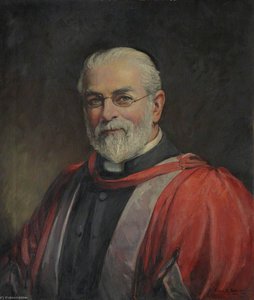
The artistic heartbeat of the college is perhaps most profoundly felt in its celebrated collection, which offers a masterclass in light, shadow, and human character. At the center of this visual narrative stands Jacob More’s River Tiber, a masterpiece of the 17 and century that captures a sense of classical serenity through the sophisticated use of chiaroscuro. The way More manipulates light to dance across the landscape mirrors the very spirit of Catz—a place of deep contemplation and sudden illumination. Yet, to focus solely on this singular triumph would be to miss the rich complexity of the college's holdings. The walls are adorned with a captivating chronicle of Cambridge’s intellectual luminaries; these portraits are far more than mere visual records. They are intimate encounters with the ambitions and legacies of those who shaped history, rendered with a precision that brings their enduring dedication to life.
For the discerning collector or interior designer, the collection offers an exquisite study in balance and atmosphere. The interplay between the college's somber, historic portraits and its thoughtfully curated landscape paintings creates a dialogue between the human experience and the natural world. These landscapes, chosen for their ability to evoke peace and connection, provide a necessary breath of air amidst the weight of academic tradition. This duality—the monumental and the serene—is what makes the atmosphere of St Catharine's so unique. It is a space where the stone of Gothic architecture feels softened by the canvas, and where every corner invites a moment of aesthetic reflection.
Beyond its permanent treasures, St Catharine's remains a dynamic participant in the global art conversation. Through a vibrant calendar of exhibitions and lectures, the college bridges the gap between established masterpieces and emerging contemporary talent. These events do more than showcase art; they foster a communal dialogue that transcends disciplines, inviting students, scholars, and visitors alike to engage with the evolving nature of creativity. Whether one is drawn by the historical weight of its 15th-century foundations or the progressive spirit that saw the college embrace female students in 1979, St Catharine's College stands as a singular destination—a sanctuary where art, history, and tranquility are inextricably entwined.