A Jewel of Roman Heritage: Santa Maria di Monserrato
Nestled within the vibrant heart of Rome, Santa Maria di Monserrato – often affectionately known as Spain’s National Church – stands as a breathtaking testament to centuries of cultural exchange and artistic devotion. Founded in 1506 by Spanish monks seeking a spiritual haven within the Eternal City, this church quickly evolved into more than just a place of worship; it became a powerful symbol of the enduring connection between Italy and Spain, a living embodiment of shared history and artistic expression. Walking through its grand spaces is akin to stepping back in time, experiencing a layered narrative woven from Spanish piety, Roman grandeur, and the masterful hands of some of Europe’s most celebrated artists.
The church's origins are deeply rooted in the burgeoning Spanish community within Rome during the Renaissance. Initially conceived as a modest hospice for pilgrims traveling to Montserrat, Spain – home to the revered Black Madonna – it rapidly expanded and transformed into a magnificent ecclesiastical complex reflecting the evolving tastes of its patrons. The construction itself spanned centuries, each phase influenced by prevailing architectural styles and the ambitions of successive benefactors. This organic growth is beautifully evident in the harmonious blend of elements—from the robust early Baroque facades to the intricate interior detailing that speaks volumes about the church’s rich past.
A Symphony of Artistic Masterpieces
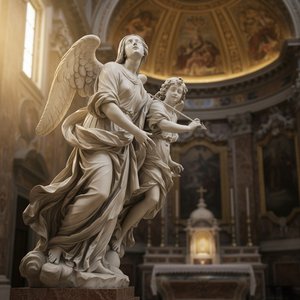
Santa Maria di Monserrato's collection is a veritable treasure trove, boasting significant works by artists who shaped the artistic landscape of their time. Perhaps most prominently, the church houses masterpieces by Gian Lorenzo Bernini and the Carracci brothers – names synonymous with Baroque brilliance. Bernini’s contributions are particularly striking, evident in the dramatic dynamism of his sculptures adorning the altars and chapels. The Carracci brothers, renowned for their vibrant frescoes, gifted the church with scenes depicting biblical narratives and religious figures, imbuing the interior with an ethereal glow. These works aren't merely decorative; they’re powerful expressions of faith and artistic skill, meticulously crafted to inspire awe and reverence.
Beyond these celebrated names, the church holds a layer of historical intrigue through its association with the Borgia family. The presence of tombs belonging to members of this infamous papal dynasty – including Pope Callixtus III and Alexander VI – adds a captivating dimension to the church’s story. These somber spaces serve as poignant reminders of Rome's complex political landscape during the Renaissance, offering a glimpse into the lives and legacies of one of history’s most controversial families. The intricate marble work and solemn atmosphere surrounding these tombs are truly unforgettable.
Architectural Splendor: A Baroque Vision
Santa Maria di Monserrato is an architectural marvel, a prime example of High Roman Baroque style. The exterior presents a formidable façade, characterized by its imposing scale, elaborate ornamentation, and dynamic interplay of light and shadow. The interior continues this theme of grandeur, with soaring ceilings adorned with frescoes depicting scenes from the Bible and the lives of saints. Intricate stucco work, gilded details, and richly colored marble create an atmosphere of opulent splendor – a testament to the wealth and influence of its patrons.
The church’s layout is carefully designed to guide visitors through a sequence of devotional experiences. The nave leads to the main altar, flanked by stunning chapels each dedicated to different saints and religious figures. Attention to detail is evident in every corner, from the meticulously carved columns to the delicate tracery of the windows. The overall effect is one of overwhelming beauty and spiritual power – a space designed to inspire contemplation and reverence.
A Unique Symbol: Spain’s Heart in Rome
What truly distinguishes Santa Maria di Monserrato is its unique role as a national church representing Spain within the heart of Rome. It stands not just as a place of worship, but as a historical landmark, an artistic treasure trove, and a potent symbol of enduring cultural connections between Italy and Spain. The church’s very existence reflects the complex interplay of religious, political, and economic forces that shaped Europe during the Renaissance and beyond. The blending of Italian Baroque artistry with Spanish heritage creates an atmosphere unlike any other Roman church – a vibrant testament to the power of cultural exchange and artistic legacy.
Visitors are encouraged to explore Santa Maria di Monserrato and immerse themselves in its beauty and historical significance. It offers a captivating glimpse into the artistic, religious, and cultural landscape of both Italy and Spain—a journey through centuries of faith, art, and enduring connections.