Menu
FREE ART CONSULTATION

Santa Maria del Castello

Quick Facts

  • Movements: baroque
  • Works on APS: 1
  • Location: Genova, Italy
  • Alternate names:
    • Santa Maria del Castello
    • Basilica di Santa Maria di Castello
    • Santa Maria di Castello
    • Basilica of Santa Maria di Castello
  • Featured artists: giovanni benedetto castiglione

Art Quiz

There is only one correct answer for each question.

Question 1:
What architectural style characterizes Santa Maria del Castello?
Question 2:
Which of the following artworks is housed in Santa Maria del Castello?
Question 3:
What historical period does Santa Maria del Castello represent?
Question 4:
The museum’s collection includes illuminated manuscripts and rare Russian Icons. What type of art are these?
Question 5:
Santa Maria del Castello is known for its frescoes depicting scenes from biblical stories and Genoese history. Where were these frescoes located?

Santa Maria del Castello: A Genoese Treasure

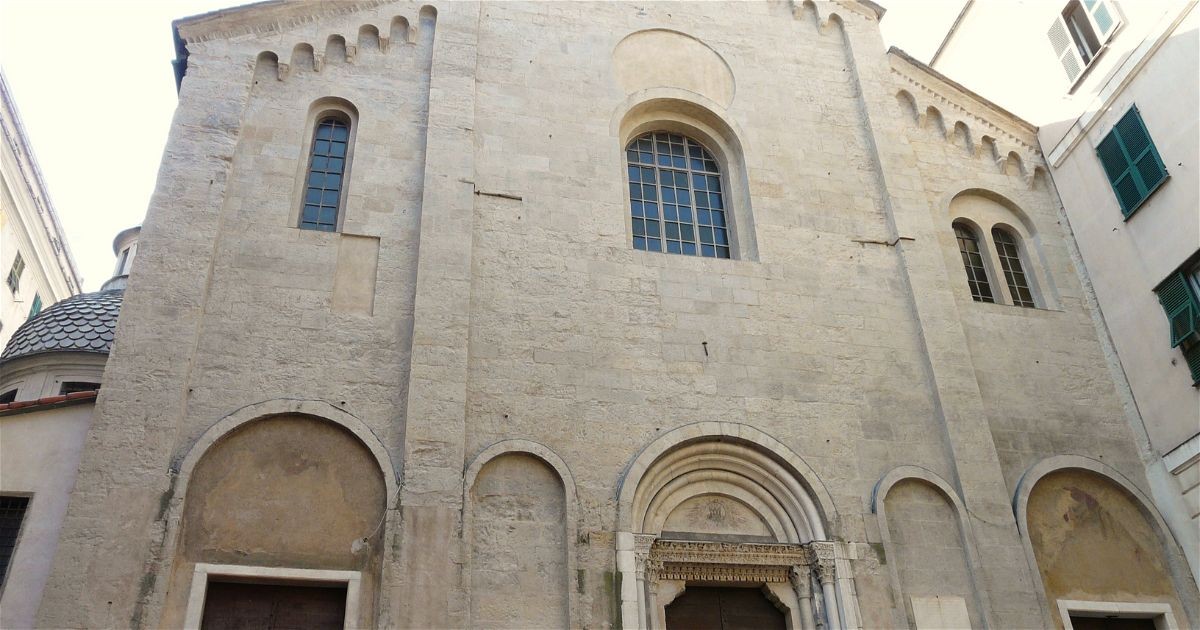
Santa Maria del Castello stands as a testament to Genoa’s enduring legacy—a harmonious blend of Romanesque grandeur, Renaissance artistry, and Dominican faith nestled within the historic Castello hill. More than just a church, it's a living chronicle of Genoese history and artistic evolution, offering visitors an unparalleled glimpse into the region’s cultural soul. ### Architectural Splendor & Historical Roots The complex’s story begins long before its magnificent façade graced with alabaster and marble. Archaeological evidence suggests Roman settlements predating the medieval era, followed by Byzantine influence during the Crusades. However, it was Bishop Anselmo dei Lanzi who initiated the construction of the basilica around 900 AD, employing skilled craftsmen hailing from Lombardy—a tradition that would define Genoese architecture for centuries to come. Subsequent additions throughout the Middle Ages reflected shifting political alliances and religious fervor, culminating in its current form during the Renaissance. The tower of Embriaci, a formidable symbol of civic pride, dominates the skyline, reminding us of Genoa’s strategic importance as a maritime republic. ### Collection Highlights: A Symphony of Artistic Styles The museum's collection is remarkable for its chronological span and stylistic diversity—a veritable journey through artistic epochs. Romanesque art reigns supreme in the basilica’s interior, exemplified by colossal columns adorned with intricate carvings that evoke the solemn beauty of early Christian churches. Frescoes depicting biblical narratives illuminate the walls, showcasing masterful techniques honed over generations. Moving into the Renaissance, visitors encounter masterpieces crafted by artists like Lorenzo Fasolo and Alessandro Gherardini—works imbued with humanist ideals and refined aesthetics. Notably, a stunning retablo del Calvario by Esteban Jordan dominates the nave, capturing the emotional intensity of religious iconography. Furthermore, the museum houses an exceptional collection of illuminated manuscripts and rare Russian Icons, reflecting Genoa’s connections to European artistic currents. ### Notable Exhibitions & Artistic Legacy Throughout its history, Santa Maria del Castello has hosted prestigious exhibitions showcasing Genoese art treasures alongside international masterpieces. These events have fostered scholarly dialogue and captivated audiences worldwide, cementing the museum's reputation as a beacon of cultural heritage. The influence of Genoese artists extends far beyond the city’s borders—their innovations shaped artistic trends across Europe during the Renaissance and Baroque periods. Giuseppe Palmieri’s canvases, particularly “The Bell of Huesca,” exemplify this legacy, demonstrating the mastery of perspective and color that characterized the era. ### What Makes Santa Maria del Castello Unique? What distinguishes Santa Maria del Castello from other churches is its unparalleled preservation—a rare opportunity to experience art history as it unfolded in a living space. The museum’s curators have painstakingly reconstructed the basilica's original splendor, allowing visitors to immerse themselves in the atmosphere of Genoa’s medieval past. Moreover, the juxtaposition of Romanesque and Renaissance styles creates a visual dialogue that underscores the city’s artistic dynamism—a testament to Genoa’s enduring commitment to preserving its cultural heritage for future generations.