

Santa Maria Assunta in Chiesanuova: A Whisper of Longobard Faith and Medieval Splendor
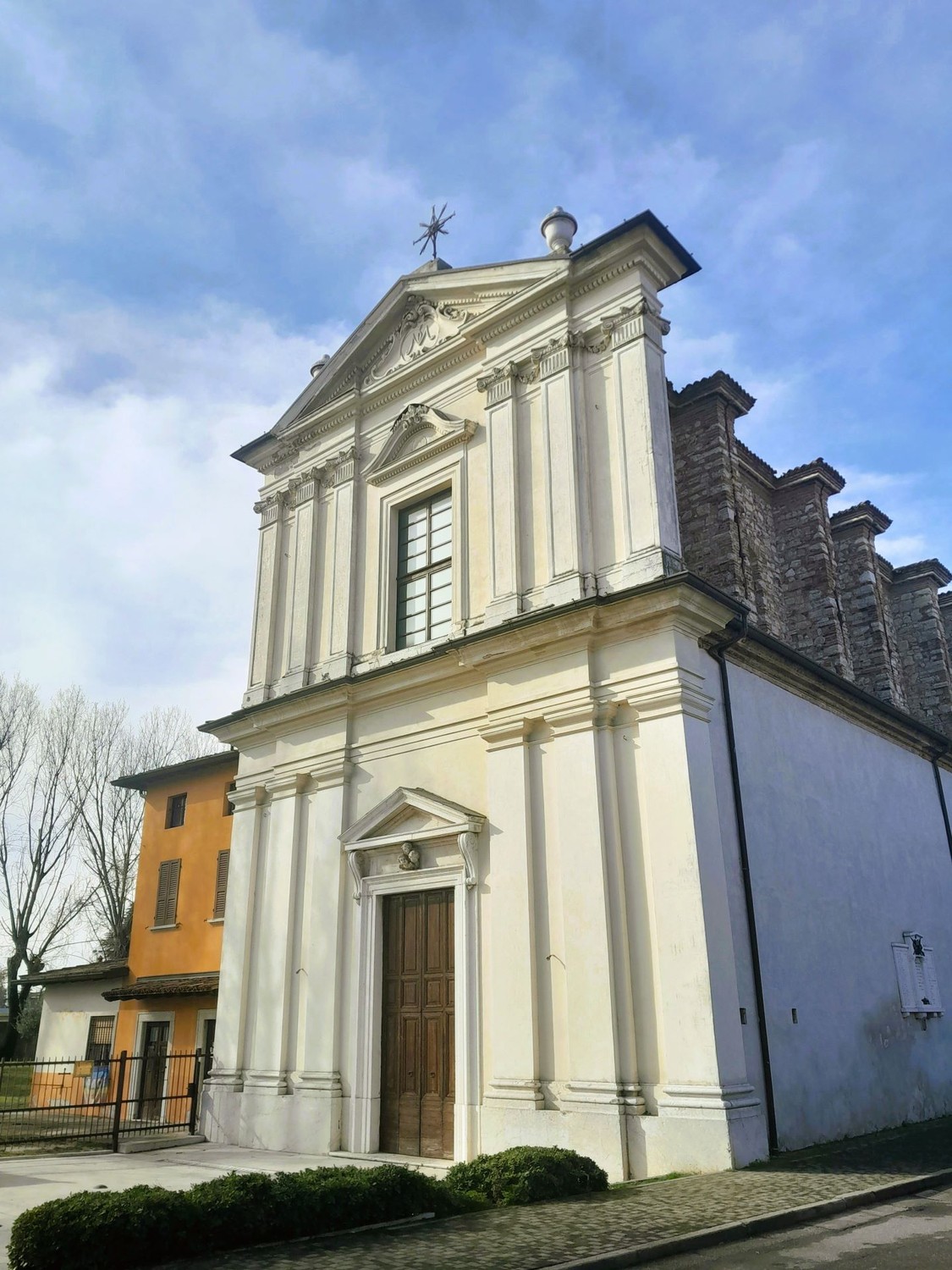
Nestled within the historic heart of Brescia, Italy, the Santa Maria Assunta in Chiesanuova stands as a testament to the enduring power of faith and the captivating confluence of artistic traditions. More than just a church, it’s a layered narrative etched into stone and painted onto ancient walls—a tangible link to the region's complex past, particularly its profound connection to Longobard heritage. This unassuming landmark offers visitors an intimate journey through centuries of architectural evolution and religious artistry, revealing a story far richer than its modest exterior suggests.
The church’s origins are deeply intertwined with Brescia’s own transformation. Initially constructed around the 6th or 7th century, it reflects the early Christian presence in the area. However, it was during the Longobard period (6th-8th centuries) that the structure truly began to take shape, absorbing the distinctive artistic sensibilities of this influential Germanic people. The Longobards brought with them a robust architectural style characterized by sturdy construction and imposing arches – elements readily visible in the church’s Romanesque foundations. Subtle yet significant details—the careful arrangement of stones, the proportions of windows—speak to this crucial period of influence, hinting at a time when Brescia was a vital center of Longobard power.
A Tapestry of Frescoes and Sculptural Detail
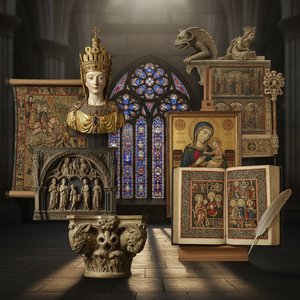
Stepping inside Santa Maria Assunta is like entering a hidden gallery. The church’s true treasures lie within its interior walls, where remnants of beautifully preserved frescoes offer glimpses into the medieval world. While time has taken its toll, fragments of vibrant scenes—depicting biblical narratives and saints—remain remarkably intact. Notably, the work of Giovanni Pietro da Cemmo and his school from 1491 to 1493 is particularly noteworthy; these frescoes are considered among the most charming and well-preserved in the Camonica Valley. The subjects range from the Annunciation and depictions of Mary enthroned, to complex representations of the history of salvation and a powerful portrayal of the holy helpers – each brushstroke revealing the devotion and artistic skill of its time.
Beyond the frescoes, the church is adorned with intricate sculptural details. Look closely at the capitals of the columns, carved with scenes from the Bible and classical mythology. These small-scale masterpieces demonstrate a mastery of craftsmanship and reflect the broader artistic trends of the era. Architectural ornamentation—the moldings, arches, and decorative elements—further enhance the building’s aesthetic appeal, creating a harmonious blend of form and function.
Connecting to Brescia's Heritage
Santa Maria Assunta is not an isolated monument; it exists within a broader context of cultural significance. Its proximity to the Santa Giulia Museum, a UNESCO World Heritage site dedicated to Longobard power centers in Italy, underscores its importance as a key element of Brescia’s rich history. The museum provides invaluable insights into the region's transition from Longobard rule to later influences, and visiting the church offers a tangible connection to this fascinating period.
A Unique Synthesis of Cultures
What truly distinguishes Santa Maria Assunta is its unique position as a crossroads of artistic styles. The church embodies a remarkable synthesis of Romanesque, Longobard, and medieval traditions—a testament to the dynamic cultural landscape of Brescia. It’s a place where echoes of ancient Rome resonate alongside the distinctive artistry of the Longobards, creating an atmosphere that is both deeply historical and profoundly moving. A visit here isn't just about admiring beautiful art; it’s about stepping back in time and experiencing the layered story of Italy itself.
Visitor Information
Santa Maria Assunta in Chiesanuova welcomes visitors seeking an authentic cultural experience. Located at Via Leutelmonte 30a, Esine, Brescia, Italy, the church is open to the public (check local hours for current availability). It’s a must-see destination for anyone interested in Italian history, art, and architecture – a quiet gem offering a unique window into the region's captivating past.