

A Sanctuary of Stone and Spirit: The Majesty of San Zeno
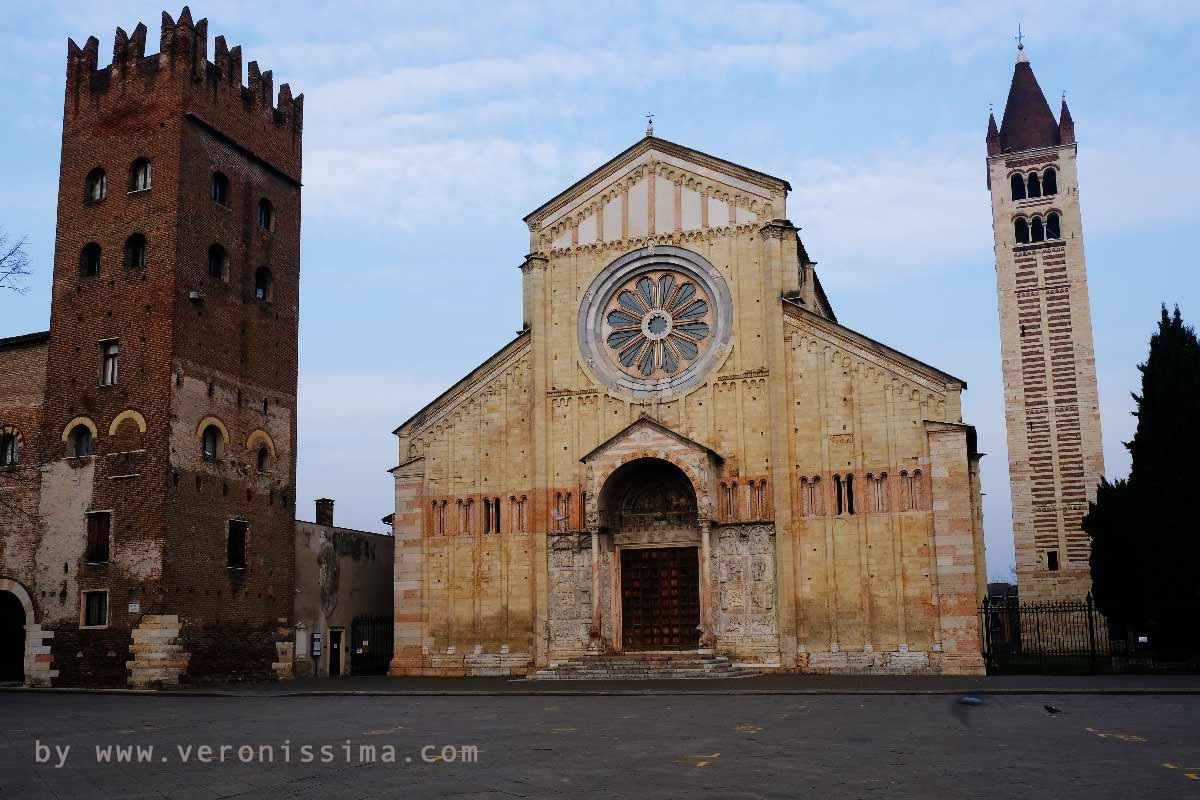
Nestled within the historic heart of Verona, the Basilica di San Zeno stands as a breathtaking testament to the enduring dialogue between Romanesque grandeur and Renaissance brilliance. To step across its threshold is to leave the modern world behind and enter a space where time seems to suspend itself amidst soaring ribbed vaults and the hallowed echoes of centuries past. This UNESCO World Heritage site is far more than a mere architectural marvel; it is an immersive journey through the soul of Italy, offering a profound encounter with the layers of history that have shaped Verona’s identity. The basilica, founded in the 11th century upon the remnants of an even older sanctuary dedicated to the city's patron saint, embodies a sense of spiritual solidity and permanence. Its imposing facade, adorned with intricate biblical narratives and symbolic motifs, serves as a silent sentinel over the Piazza San Zeno, inviting the curious traveler to contemplate themes of divine grace and human devotion.
The true heartbeat of the basilica, however, lies within its profound artistic treasures, most notably Andrea Mantegna’s monumental San Zeno Altarpiece. Completed around 1460, this polyptych represents a transformative moment in the evolution of Western art, marking the pinnacle of Renaissance innovation in Verona. In this masterpiece, Mantegna achieved a daring synthesis of classical artistic principles and Christian iconography, utilizing masterful perspective and an astonishing realism that was revolutionary for its era. As one gazes upon the vibrant colors and meticulous details of the scenes depicting Saint Christopher’s martyrdom, the viewer is transported into a world where the divine and the earthly intersect with breathtaking clarity. For the art lover and collector alike, this work serves as a cornerstone of Renaissance study, showcasing the precise techniques that would go on to define an entire epoch of human creativity.
Beyond the luminous panels of Mantegna’s polyptych, the basilica preserves a sculptural legacy that whispers of the Carolingian era. The magnificent bronze doors, dating back to the 9th century, offer a rare and tactile connection to Verona's distant medieval past. These doors, intricately carved with heraldic emblems and sacred figures, reflect the sophisticated craftsmanship and the powerful patronage of noble families who once sought sanctuary within these walls. This interplay between the heavy, grounded Romanesque architecture and the delicate, detailed artistry of the bronze and fresco work creates a unique tension that defines the museum's character. It is this very duality—the strength of stone paired with the fragility of fine art—that makes San Zeno an essential destination for interior designers seeking inspiration in classical proportions and for historians tracing the lineage of European aesthetic movements.
Today, San Zeno continues to thrive as a living center of cultural inquiry. The basilica frequently hosts exhibitions that bridge the gap between its ancient foundations and contemporary artistic perspectives, fostering a continuous dialogue between the past and the present. Ongoing research into the complex symbolism embedded within its frescoes ensures that every layer of its history is being rediscovered by new generations. For those who seek to immerse themselves in the artistic soul of Italy, San Zeno offers an unparalleled experience—a place where architecture, sculpture, and painting converge to create a timeless sanctuary of beauty and faith.