

A Legacy Etched in Stone: The Archbasilica of Saint John Lateran
The Piazza di San Giovanni in Laterano does not merely host a building; it cradles an epoch. Standing as the venerable mother church of Christendom, the Archbasilica of Saint John Lateran whispers tales that stretch back to the very dawn of Western civilization. To approach its monumental presence is to feel the weight of millennia settle upon your shoulders—a profound sense of time made tangible in stone and soaring archways. Unlike some more immediately dazzling structures, the Lateran Basilica possesses a quiet, almost regal dignity; it invites the visitor not with a sudden burst of opulence, but with a slow, deliberate unfolding of history, revealing layers of artistic genius at every turn.
Its architectural journey is itself a narrative. What began as a pagan temple dedicated to Jupiter Optimus Maximus underwent a miraculous transformation following Emperor Constantine’s decree in 313 AD. This pivotal moment allowed the site to become consecrated ground for Christianity, leading to successive renovations that blended the solemnity of Byzantine influence with the robust grandeur characteristic of Roman mastery. The very plan, with its octagonal echoes and soaring nave, speaks to an aspiration toward the divine—a physical manifestation of transcendence built to withstand the ravages of time, plague, fire, and empire.
A Tapestry Woven Through Ages: Artistry in Flux
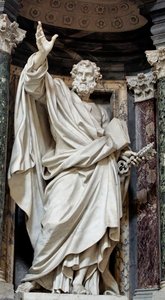
The artistic soul of the Lateran Basilica is a breathtaking chronology. One can trace the evolution of human devotion through its decorative arts. Gaze upon the earliest mosaics adorning the apse, fragments whispering from the VII century; here, the vibrant, stylized majesty of Christ Pantocrator anchors the space in Byzantine tradition. As centuries turned, so did the artistic dialogue within these walls. The culmination of this stylistic journey is breathtakingly evident in the Baroque splendor championed by masters like Alessandro Galilei in 1735. Consider the façade itself: fifteen colossal statues depicting Christ and his apostles gaze outward, a dramatic, sculptural sermon designed to inspire immediate awe and deep reverence.
Moving inside, the vaulted ceiling of the nave captivates with intricate frescoes that narrate biblical epics, showcasing the ambitious reach of Baroque painting. Yet, for those seeking an intimate communion with sacred history, one must journey to the Sancta Sanctorum. This sanctuary is a treasure trove where relics—fragments of the True Cross and portions of Christ’s tunic—are housed alongside mosaics depicting scenes from the Gospels. It is here that the focus shifts from grand spectacle to profound, emotional piety; a contemplative space designed for deep spiritual immersion.
The Enduring Heart of Faith
More than just an architectural museum piece, the Lateran Basilica remains the beating heart of papal tradition. Its ongoing significance as the seat of the papacy means that every corner echoes with living history—the solemn liturgies continue to unfold within its sacred embrace. For the art lover, the collector, or the designer seeking inspiration in enduring beauty, the Lateran offers a unique dialogue: it is a place where the monumental weight of empire meets the delicate intimacy of personal faith. To wander these halls is not merely an exhibition viewing; it is a pilgrimage through the very soul of Western Christendom.