

Samogitian Museum Alka: A Journey Through Samogitia’s Soul
The Samogitian Museum Alka (Žemaičių muziejus Alka) in Telsiai, Lithuania, stands as a beacon of cultural heritage—a testament to the region's enduring spirit and artistic legacy. More than just a repository of artifacts, it’s an immersive experience that unravels the intricate tapestry of Samogitia’s past, present, and future.
- Archaeological Roots: Discovering Ancient Echoes
- Artistic Expressions: Interwar Lithuania's Legacy
- Ethnographic Treasures: Life Among Samogitian Traditions
- Manor Heritage: Elegance and Resilience in Biržuvėnai Manor
- Religious History: The Diocesan Echoes of Varniai Priest Seminary
The museum’s core strength lies in its comprehensive collection, meticulously curated to showcase Samogitia's multifaceted identity. Archaeological excavations at Varniai and throughout the region have unearthed remarkable relics—fragments of pagan rituals, Celtic settlements, and Roman influences—providing invaluable insights into Lithuania’s earliest history.
However, Alka truly shines when illuminating the artistic fervor of interwar Lithuania. Its holdings boast masterpieces by Lithuanian painters who captured the essence of their time—landscapes imbued with melancholic beauty, portraits reflecting social realities, and avant-garde experiments pushing creative boundaries. Notably, the museum’s collection includes works influenced by Symbolism and Expressionism.
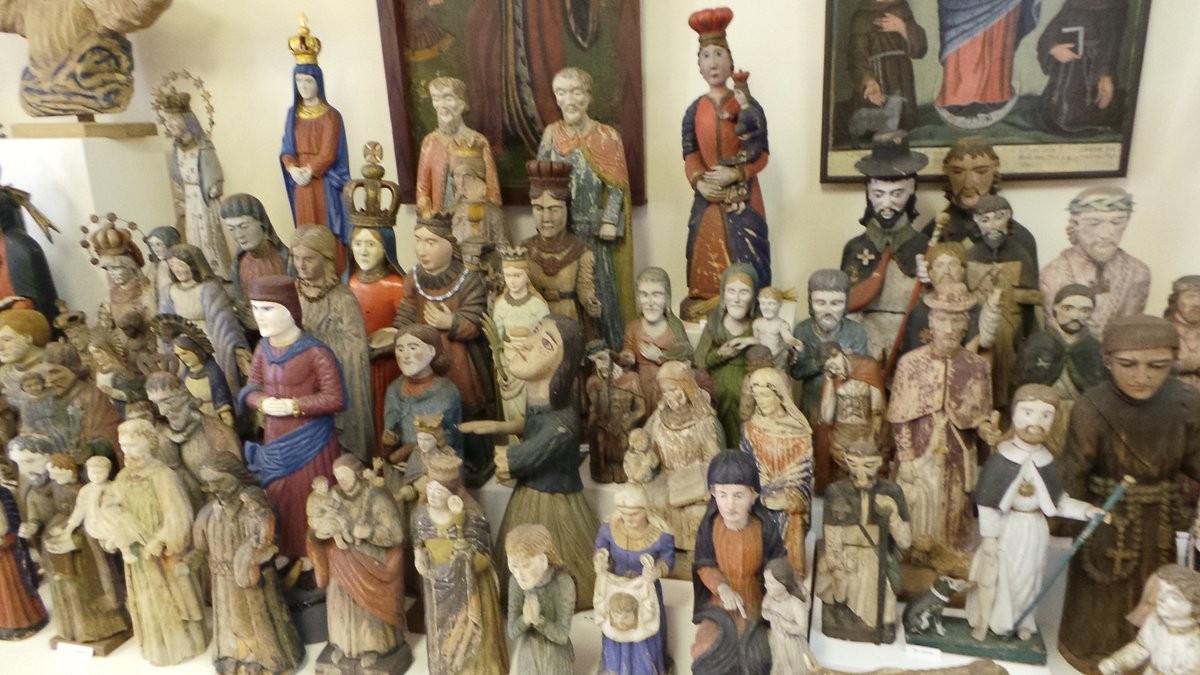
Beyond visual arts, Alka delves into Samogitian ethnography, presenting a vibrant panorama of daily life—traditional crafts, costumes, folk music, and rural customs. Visitors can marvel at intricately woven textiles, handcrafted ceramics, and meticulously preserved ethnographic objects that speak volumes about Samogitian identity.
A poignant chapter unfolds within the Manor Heritage section, where visitors encounter treasures recovered from Biržuvėnai Manor—a symbol of aristocratic grandeur transformed into a poignant reminder of wartime hardship. The collection features exquisite Meissen and Rosenthal porcelain dishes—symbols of refined taste—and early 19th-century pistols—artifacts reflecting Samogitia’s role in European history.
Finally, the Diocesan Museum housed within the historic Varniai Priest Seminary building offers a unique glimpse into Lithuania's spiritual past. Founded in 1770 and rebuilt in the 1990s after serving as a military barracks and concentration camp during Soviet rule, the seminary’s architecture embodies resilience—a symbol of Samogitian perseverance through turbulent times.
What distinguishes Alka from other museums is its holistic approach—its ability to weave together disparate threads of history into a cohesive narrative. It's more than just displaying objects; it’s fostering understanding—connecting visitors to the soul of Samogitia and preserving its cultural heritage for generations to come.
- Notable Aspects: Varniai Priest Seminary – A Spiritual Landmark
- Collection Highlights: Biržuvėnai Manor’s Porcelain Legacy
- Garden & Monument: Bishop Motiejus Valančius's Reverence for Tradition
The Varniai Priest Seminary building itself stands as a testament to architectural evolution—from Baroque grandeur to Soviet utilitarianism and finally, to its current incarnation as Alka’s centerpiece. Its reconstruction in the 1990s meticulously restored original features, ensuring that this historic edifice continues to inspire awe and contemplation.
Alka's enduring appeal lies not only in its impressive collection but also in its commitment to education—offering engaging exhibitions and interactive programs for visitors of all ages. It’s a place where history comes alive—where Samogitia’s past informs its present and illuminates its future.