


A Tapestry of Time: Unveiling Saitama’s Soul at the Prefectural Museum
Nestled within the verdant landscapes of Saitama Prefecture, Japan, lies a treasure trove of regional identity and artistic heritage – the Saitama Prefectural Museum of History and Folklore. More than simply a repository of artifacts, this institution is a vibrant narrative meticulously woven from centuries of local life, traditions, and the enduring spirit of its people. Established in 1971, the museum stands as a testament to Saitama’s rich past, offering visitors an immersive journey through its captivating history and folklore – a place where echoes of ancient provinces resonate alongside glimpses into modern engagement with cultural preservation.
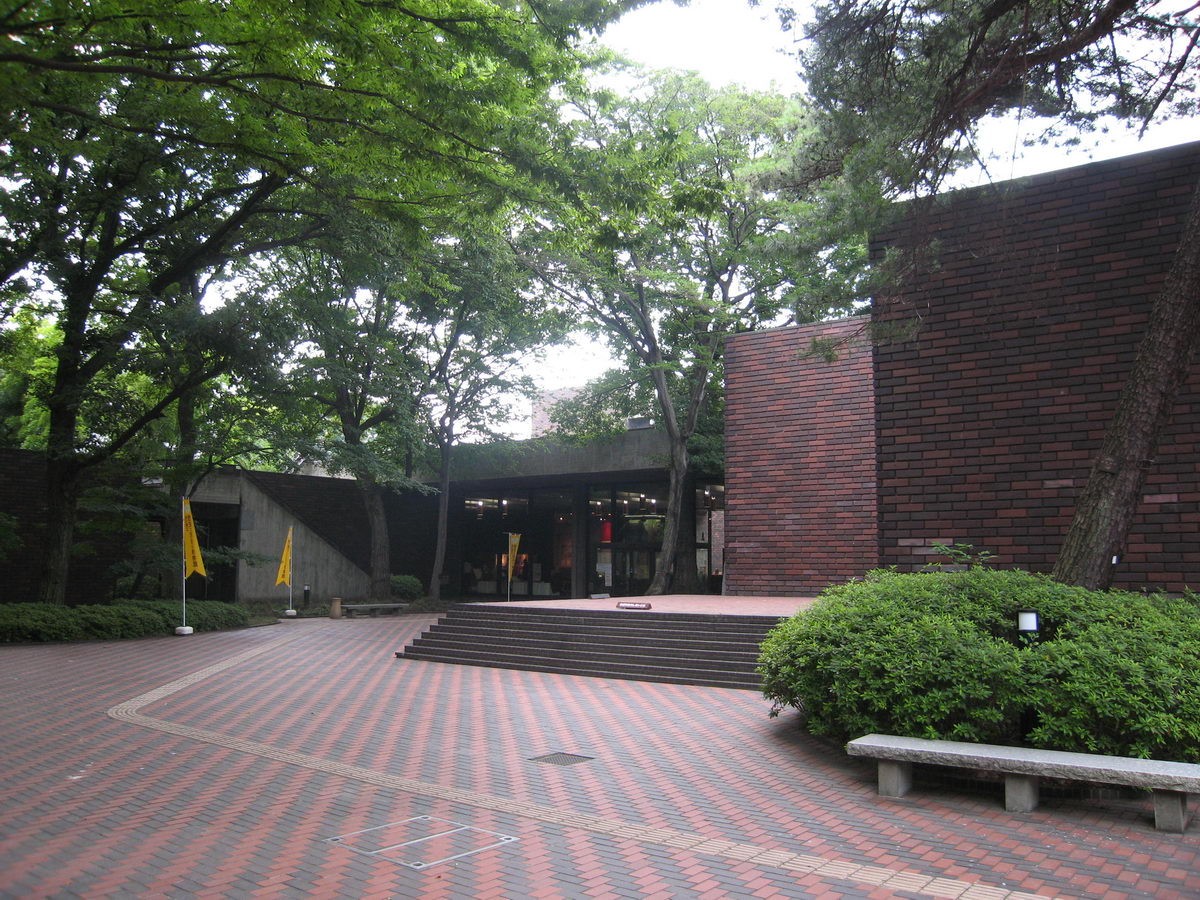
The building itself is a significant element of the experience. Designed by the esteemed Kunio Maekawa, a protégé of Le Corbusier, the museum’s architecture immediately establishes a harmonious dialogue between tradition and innovation. The structure’s expansive galleries flow seamlessly, bathed in natural light that seems to illuminate not just the exhibits but also the stories they tell. Maekawa's design philosophy prioritized creating a space that *enhances* the encounter with history – a deliberate departure from the traditional, often imposing, museum model. The use of natural materials and open spaces fosters a sense of connection to the land and its people, mirroring the values deeply embedded within Saitama’s cultural fabric.
Echoes of Ancient Provinces: A Journey Through Time
The museum's collection is remarkably diverse, reflecting the complex and layered history of Saitama Prefecture. Visitors are immediately transported back in time as they encounter relics from the Chichibu and Musashi provinces – tangible remnants of a bygone era. These aren’t merely objects; they are windows into the daily lives, beliefs, and artistic endeavors of those who came before. Fragments of pottery shards whisper tales of prehistoric settlements, while meticulously crafted tools offer insights into early societal structures and agricultural practices. The display of traditional costumes, household items, and weaponry vividly paints a picture of local lifestyles across the ages – from the intricacies of samurai armor to the simple comforts of rural homes.
A particular highlight is the museum’s dedication to showcasing the evolution of craftsmanship. The meticulous preservation of textiles, lacquerware, and ceramics reveals the skill and artistry passed down through generations. These objects aren't just beautiful; they represent a profound connection to the land and its resources, reflecting a deep understanding of natural materials and traditional techniques.
Voices of Folklore: Stories Woven into Tradition
Beyond the material culture, the Saitama Prefectural Museum delves deeply into the intangible heritage of the region – its captivating folklore and time-honored traditions. Dedicated exhibits illuminate regional festivals brimming with vibrant costumes and music, alongside enchanting folktales passed down through generations. The museum actively seeks to preserve these stories, recognizing their vital role in shaping local identity and fostering a sense of community. Imagine hearing the rhythmic beat of festival drums or feeling the warmth of communal celebrations as you explore these displays – it’s an immersive experience that transcends mere observation.
The preservation efforts extend beyond static exhibits. The museum actively supports local artisans, documenting traditional crafts and providing opportunities for contemporary practitioners to continue these legacies. This commitment ensures that these stories are not lost to time but remain a living part of Saitama’s cultural landscape.
A Living Legacy: Engagement and Preservation
What truly distinguishes the Saitama Prefectural Museum is its unwavering dedication to showcasing *local* narratives – a deliberate shift away from broad, generalized historical accounts. The museum serves as a vital hub for research, conservation, and education, ensuring that the treasures of Saitama remain accessible to both residents and visitors alike. The “Monozukuri” Workshop offers a particularly engaging experience, allowing guests to actively participate in traditional crafts like indigo dyeing and plaited strap making – transforming passive observation into hands-on learning. This interactive approach fosters a genuine connection between visitors and the region’s heritage.
Furthermore, the museum plays a crucial role in safeguarding cultural properties through meticulous documentation and conservation efforts. It stands as a testament to Saitama's commitment to preserving its unique identity for future generations, offering a valuable resource for scholars, artists, and anyone seeking to understand the soul of this captivating region.