

A Hidden Chronicle: The Royal Regiment of Fusiliers Museum in Warwick
Nestled within the historic heart of Warwick, a city steeped in medieval charm and surrounded by rolling Warwickshire landscapes, lies a museum that offers far more than just a glimpse into military history. The Royal Regiment of Fusiliers Museum is a poignant and intimate testament to over three centuries of service, sacrifice, and unwavering tradition – a place where the echoes of marching feet and the spirit of camaraderie still resonate within its walls. More than simply a repository of artifacts, it’s an immersive experience, carefully curated to reveal the human stories behind the medals and uniforms, transforming a collection into a vibrant tapestry of lives lived in defense of the realm.
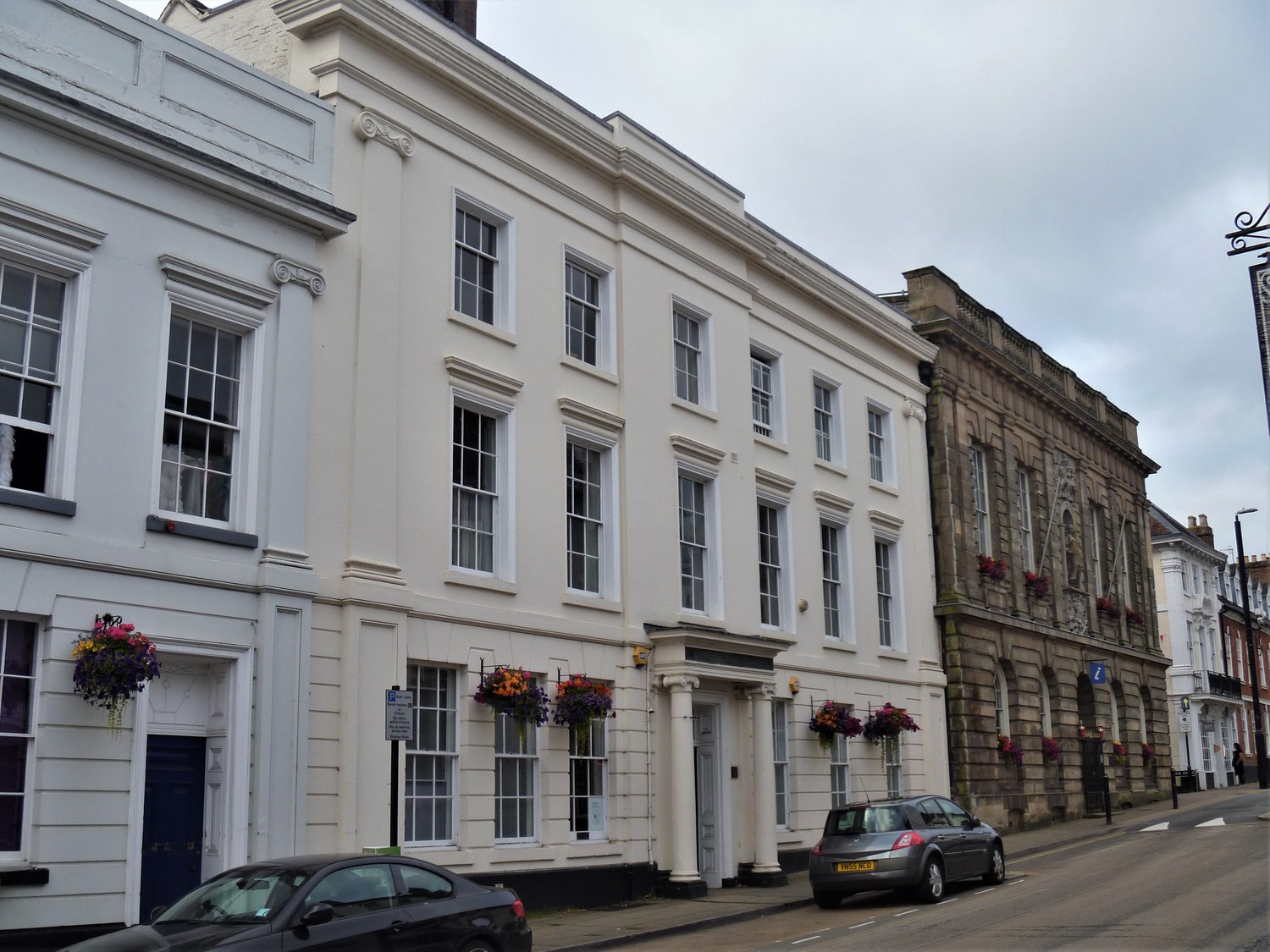
The museum's origins are deeply intertwined with Warwick itself. Originally established as part of the Royal Warwickshire Regiment’s legacy, it has evolved alongside the regiment’s transformations, culminating in its current form as the custodian of both the Royal Warwickshire and the Royal Regiment of Fusiliers. This lineage is immediately apparent – a sense of continuity that stretches back to the 17th century. The building itself, while not boasting grand architectural flourishes, possesses a quiet dignity reflecting Warwick's own historical character; it’s a space designed for contemplation and connection with the past, rather than ostentatious display. The museum’s location within Pageant House, a historic building in Jury Street, further enhances this sense of rootedness, placing it firmly within the city’s narrative.
A Window into Wartime: The Trench Replica and ‘Bobby’
Perhaps the most striking feature of the Royal Regiment of Fusiliers Museum is undoubtedly its meticulously recreated World War I trench. This isn't a mere static display; it’s a remarkably detailed recreation, designed to transport visitors back in time and evoke the harsh realities faced by soldiers during that devastating conflict. The claustrophobic space, complete with sandbags, rudimentary shelters, and period-accurate details, offers a profoundly moving experience – a visceral reminder of the conditions endured by those who served on the Western Front. Adjacent to this poignant exhibit resides ‘Bobby,’ the beloved mascot of the Royal Warwickshire Regiment, a symbol of morale and resilience that embodies the spirit of camaraderie within the ranks. His presence adds an unexpected warmth to the museum’s atmosphere, reminding us that even amidst the horrors of war, there was always room for affection and loyalty.
Artistic Echoes: Portraits and Regimental Colors
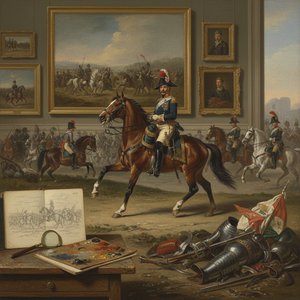
The Royal Regiment of Fusiliers Museum isn't solely focused on weaponry and uniforms; it also recognizes the vital role of artistic representation in preserving regimental history. Careful attention has been paid to incorporating artworks that capture the essence of the regiments’ heritage. Notably, Charles Fullwood’s portrait of Colonel George Legge, Lord Dartmouth, a Baroque masterpiece depicting the nobleman's status and bearing, offers a glimpse into the aristocratic roots of the regiment. Equally captivating is Daniel Cunliffe’s “The Colours of the Royal Warwickshire Regiment,” a vibrant depiction of the regimental flags and instruments – symbols of pride, tradition, and identity. These artworks serve as powerful visual anchors, enriching the museum's narrative and providing further insight into the regiments’ rich history.
Beyond the Battlefield: Local Connections and Family Appeal
The museum’s significance extends beyond its military focus; it also provides valuable insights into the local history of Warwick. The collection is inextricably linked to the city, reflecting the regiment's long-standing association with the area. Furthermore, the museum has been thoughtfully designed to be engaging for visitors of all ages, creating a welcoming environment for families and those interested in military history. Recent exhibitions, such as “Home & Away – Football in the Army,” demonstrate this commitment to accessibility, exploring unexpected connections between sport and military service. The museum’s dedication to preserving individual soldier stories adds another layer of depth, transforming it from a mere display of artifacts into a truly human experience.
A Legacy Preserved: Exploring the Museum's Unique Collection
The Royal Regiment of Fusiliers Museum offers a unique opportunity to delve into the history of one of Britain’s oldest and most distinguished regiments. From its early roots in the 17th century to its modern incarnation, the museum showcases a remarkable collection of regimental artifacts – uniforms, medals, weaponry, personal belongings, and musical instruments – all meticulously preserved and presented with care. The inclusion of items like Hannah Snell's disguise, Euan Lucie-Smith’s pioneering story as a mixed heritage officer, and the Bairnsfather cartoons adds unexpected layers of intrigue and demonstrates the breadth of the regiment’s history. A visit to this hidden gem in Warwick is not just a journey through military history; it’s an exploration of human resilience, tradition, and the enduring spirit of service.